
by TechNova | May 12, 2025 | Tech Insights
After years of updates, spinoffs, and quiet revivals, Virtua Fighter 5 R.E.V.O. is finally stomping and somersaulting its way onto next-gen consoles. That’s right—our old dojo darling is stepping into the spotlight once again with a fresh lick of polish, new features, and multi-platform glory. Whether you played Virtua Fighter 5 religiously at the arcade or grew up losing to your older cousin on PlayStation 3 (guilty), this is one return that’s punching straight at the feels.
Announced in a burst of nostalgia and hype, the new game is dropping on PlayStation 5, Xbox Series X|S, and—surprise!—the Nintendo Switch 2. Yeah, we’re finally getting Virtua Fighter on a Nintendo console. That alone is historic.
What’s New in Virtua Fighter 5 R.E.V.O.?
At first glance, you might be tempted to think this is just one more remaster—but hold your joysticks.
According to the official reveal (which I practically inhaled with excitement), Virtua Fighter 5 R.E.V.O. isn’t just about upgraded visuals. Sure, the game looks incredible with ray tracing, smoother frame rates, and models that no longer resemble 3D mannequins. But there’s more than chrome and shadows here—it’s about bringing a classic fighter into the modern gaming space.
- Rollback netcode – finally, online matches that don’t feel like a game of slide-show kung fu.
- Crossplay support – PS5, Xbox, and Switch users can now trade blows like old-school rivals.
- Enhanced Training mode – helping newcomers sharpen their skills without digging through obscure wikis and old forum posts.
- Character customization – even more wild outfits and accessories to turn Akira into your personal fashion statement.
For me, though, the real kicker is the attention to the classic feel of Virtua Fighter. As modern as this update is, it’s still that same deliberate, deeply technical fighter we grew up on. No energy blasts or ten-hit anime juggles—just crisp movement, mind games, and oh-so-satisfying counters. That’s rare these days, and man, I respect them staying true to it.
The Legacy of Virtua Fighter 5
Let’s talk about that legacy for a sec. Virtua Fighter 5 first landed way back in 2006, and even then it was ahead of its time. I remember watching tournaments on grainy YouTube videos, marveling at how each fighter had unique spacing, timing, and flow. There weren’t many games like it.
But here’s the honest truth: outside of Japan, the series kind of slipped under the radar over the years. While Tekken and Street Fighter monopolized the spotlight, Virtua Fighter became something of a hidden gem. A cult classic. A game you only heard about from “that one serious fighting game friend.” (Again, guilty.)
So this new release? It’s meaningful. It feels like a comeback tour for a band that never sold out—pure, crisp, and ready to school a whole new generation of players.
Is Virtua Fighter 5 R.E.V.O. for You?
Short answer? Probably, yeah. But let’s break it down.
- If you love deep gameplay mechanics that reward timing and reading your opponent, this is your game.
- If you’ve been itching for a fighter that doesn’t rely on flashy, over-the-top chaos, you’ll feel right at home.
- And if you’re brand new and maybe a little intimidated? Don’t sweat it. The enhanced Training mode makes learning approachable.
I spent most of last weekend diving into a preview build (a friend hooked me up early—bless her). I forgot how satisfying it is to outmaneuver someone with just a sidestep and a clean counter. No meter burns, no rage drives. Just good ol’ fashioned technique.
And playing it on PS5? It feels buttery smooth. Load times are basically nonexistent. Matches start up almost instantly, and even in online lobbies with crossplay turned on, it feels tight and responsive. I hear the Switch 2 version is surprisingly solid, too—not quite as sharp, but still very playable.
How R.E.V.O. Changes the Fighting Game Scene
So why does this matter beyond the nostalgia factor? Because having a game like Virtua Fighter 5 R.E.V.O. on modern consoles—and accessible to multiple player bases—has ripple effects.
It encourages a new wave of players to try a style of fighting game that’s more grounded. It gives tourney organizers a classic-style fighter with updated tech. And it just gives all of us another option that isn’t part of the usual big-three circuit.
My Takeaway: A Welcome Return to Simpler (and Smarter) Fights
These days, everything’s gotta be loud, fast, and overflowing with particles. And listen, I love a dramatic anime punch as much as the next person—but Virtua Fighter reminds me that less can be more. That the real rush comes from mastering the fundamentals, not just flailing with flash.
Virtua Fighter 5 R.E.V.O. brings that back with a level of care and fidelity you can just feel. It’s like they polished it not just for sales, but because they love it—and maybe know we love it too, even if we forgot for a little while.
So yeah, I’m excited. For the matches I’ll win, and the ones I’ll lose. For the joy of learning frame data I’ll forget tomorrow. And for discovering that you can, in fact, teach an old wolf—or panther, or drunken master—some new tricks.
See you in the ring.
by TechNova | May 11, 2025 | Tech Insights
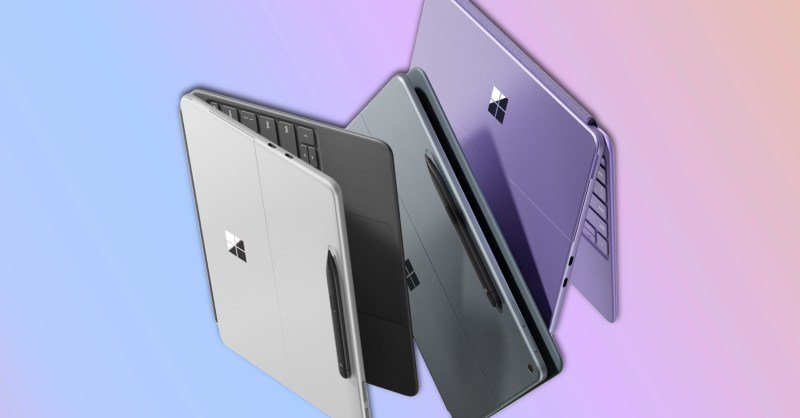
If you’ve ever felt like your tablet just couldn’t keep up with your life, you’re going to love the Microsoft Surface Pro tablet performance boost. Seriously, I’ve been using tablets for years—mostly for reading, emails, some light streaming. But when it came to real work? They just didn’t cut it. That’s why I’d always end up dragging my laptop around even for small tasks. But something finally clicked with the Microsoft Surface Pro, and it’s got me thinking… maybe Windows tablets are ready to shine.
Why the Surface Pro Finally Feels Like a Real Computer
Let’s be real—most tablets feel like they’re pretending to be something they’re not. Fancy designs, slim bodies, quirky keyboards… but scratch the surface (no pun intended), and performance just wasn’t there. But this recent generation of the Surface Pro? It’s changed the game.
With its 12th-gen Intel chips and a sharper focus on performance, the Surface Pro is genuinely capable now. Like, legit “I can edit photos AND have 20 browser tabs open” kind of capable. That’s a big deal. Especially for someone like me who’s always juggling tasks and minimizing windows like a maniac.
The Surface Pro has always looked the part—sleek, premium, feels great in the hand. But now, the internals match the promise. It no longer feels like you’re sacrificing power for portability. You’re getting both.
Performance Boost That Feels Instant
So what does this Surface Pro performance boost actually feel like on a daily basis? I’ll sum it up in three words: fast, fluid, and freeing.
- Fast: Apps open instantly. Documents save without a hiccup. Multi-tasking doesn’t slow things down.
- Fluid: The 120Hz refresh rate makes everything feel buttery smooth. Scrolling? Like silk. Writing with the Surface Pen? Ridiculously responsive.
- Freeing: I can leave my laptop behind and not feel anxious. That’s a first for me.
I recently took the Surface Pro on a weekend trip—left my laptop at home on purpose. I was nervous, but guess what? It kept up just fine. Typed up a few posts, edited some photos, watched Netflix, even jumped into a Zoom call using the front camera. Didn’t miss my laptop at all.
Battery Life That Actually Lives Up to the Hype
What really ties it all together is the improved battery life. Earlier versions of the Surface were notorious for dying before the day was over. But now? We’re talking all-day use.
I started my morning at a coffee shop around 9 a.m., worked straight through until lunchtime, had a video call, managed some photo edits—and it still had juice left at 5 p.m. That’s huge, especially for travelers or folks like me who hop from errands to meetings in a single breath.
The Microsoft Surface Pro Form Factor Still Rocks
One thing that’s never changed and still deserves praise: the form factor. The kickstand is iconic for a reason. Whether I’m typing at a desk, sketching ideas with the pen, or propping it up on the couch to binge a series—it adapts to me, not the other way around.
And let’s talk about the keyboard. It’s not just a flimsy accessory anymore. The latest Type Cover is backlit, solid, and has actual travel. I’ve written this entire article on it—and if that’s not a stamp of approval, I don’t know what is.
Is Windows Finally Good on Tablets?
This is the big question. And honestly? I think the answer is yes.
Windows 11 feels more touch-friendly than ever. It’s not perfect, but it’s miles ahead of where it used to be. Icons are better spaced. Gestures are intuitive. And with auto-scaling improvements, things don’t randomly appear microscopic or massive for no reason.
I wouldn’t have said this a year ago, but the combo of responsive hardware and smarter software makes Windows on a tablet not just usable—but enjoyable.
Who Is the Microsoft Surface Pro Really For?
Here’s where it gets interesting. Five years ago, I’d have said this was a device for niche users—graphic designers, business execs, maybe students with deep pockets. But now? The improved performance is making it attractive to a broader crowd.
- Students: Light enough to carry all day, powerful enough to run full desktop apps like Word or Excel.
- Freelancers: Whether you’re writing, editing, or designing, the Surface Pro can handle the workload.
- Everyday multitaskers: If you’re someone who hops between email, streaming, spreadsheets, and social media—you’ll love this machine.
I always tell my friends: if your work depends on flexibility and you want one device to rule them all, this might just be it.
Final Thoughts on the Microsoft Surface Pro Evolution
For me, the Microsoft Surface Pro went from a “nice-to-have gadget” to a reliable daily driver. It’s no longer content with being a tablet that occasionally dabbles in laptop territory. Now it’s confidently both—and that’s something I didn’t expect to say.
Is it perfect? Nah. I still think Windows 11 has room to grow in certain touch scenarios, and accessories can get pricey. But the trade-offs are getting smaller and the benefits much bigger.
This isn’t just a performance bump. It’s a turning point.
And if you’ve ever felt let down by a tablet before, trust me—you might want to give the new Surface Pro a closer look. It could surprise you the same way it surprised me.

by TechNova | May 11, 2025 | Tech Insights
When Rockstar finally dropped more about GTA 6’s story, I practically dropped my coffee. Hearing these new GTA 6 story details revealed by Rockstar stirred up that familiar buzz I hadn’t felt since the lead-up to GTA V. You know that mix of anticipation, disbelief, and overanalyzing every hint? Yeah, that’s back—and bigger than ever.
We’re not just getting another chaotic sandbox full of outrageous shenanigans. This time, Rockstar seems to be honing in on something a bit deeper and more personal within the GTA 6 story. And honestly, after a decade of waiting, I’m all in.
Diving Into the New GTA 6 Story Characters
This time we’re following Lucia and Jason—names that are about to become legends in gaming lore. Lucia is the first female protagonist in a 3D GTA game. That alone is headline-worthy. But what’s cooler is how their story plays out. From what Rockstar’s revealed, we’re getting more than just clever writing and outrageous plot twists. We’re getting a *relationship*. Emotion. Tension. Maybe even heartbreak.
The vibe? Think criminal-level Bonnie and Clyde. But with that signature Rockstar flavor—risky deals, fast cars, and probably some hilariously awful decisions. These aren’t just two people trying to get rich. There’s desperation under the surface. Hunger. Regret. It’s gonna get messy. And I can’t wait.
It makes me think back to when I first played GTA IV, watching Niko Bellic struggle with his choices. The stakes felt real. Heavy. I’m getting those same vibes here already, and we don’t even have a release date yet.
The Setting: Vice City Returns with Serious Upgrades
That neon-soaked, palm-tree-lined fever dream? It’s back. And it looks stunning.
Vice City isn’t just window dressing anymore. It’s the beating heart of the GTA 6 story. This time, Rockstar is leaning into the modern-day Florida vibe, complete with viral social media moments, chaotic protests, and that Florida Man energy we all know too well.
If you’ve ever been to South Florida, you’ll know exactly how ridiculous it can get. One minute, you’re sipping Cuban coffee in Little Havana; the next, you’re watching someone wrestle a gator in a gas station parking lot. I’ve seen it. I’ve lived it. Rockstar’s probably gonna make us laugh and cry with how spot-on they get this rollercoaster of a state.
Why Location Matters in the GTA 6 Story
This version of Vice City isn’t just a map—it’s a character. The streets, the culture, the unfiltered weirdness of Florida itself… it’s all gonna fuel Lucia and Jason’s arc. Rockstar even mentioned dynamic robbery systems and intimate, gritty story moments tied to specific neighborhoods. That’s next level. And kinda personal for anyone who’s lived in a city with this kind of dual beauty-and-chaos vibe.
Relationships, Survival, and the Emotional Punch
One thing that truly stands out about these new GTA 6 story details is how grounded the characters and plot feel. There’s less of that “wacky hijinks just for the hell of it” energy and more… emotional weight. These characters aren’t just trying to become kingpins because they can. They’re thieves, yes—but with purpose. With reasons we may understand, even if we don’t agree.
Rockstar dropped a line that caught my attention: “Partners in crime. Literally.” That says it all. This isn’t some casual co-op setup. These two people depend on each other. And in Rockstar’s world, depending on anyone is always a gamble.
Think about how that could play out. Loyalty tested. Tension rising. Maybe injustice pulls them apart. Or maybe they defy everything and ride off into the sunset. Either way, I’m already invested.
Modern Influences: Social Media, Virality, and Muck
Another juicy detail? Rockstar’s weaving today’s online chaos right into the GTA 6 world. Social media, viral stunts, streamers—even digital influencers may play a role in shaping both gameplay and narrative.
If you’ve ever rolled your eyes at TikTok trends or cringed at internet drama spirals, just imagine the GTA spin on that. It’s gonna be delicious.
The GTA 6 Story Isn’t Just Crime—It’s Culture
This direction reflects some big shifts. GTA used to feel like satire layered on absurdity. It still will, of course—but now, it looks like Rockstar wants to hold up a mirror to the world we live in, warts and all. Social media is part of our culture now. And in GTA 6, it looks like it plays into the rise and fall of our characters too.
This makes everything feel way more relevant. Like we’re not just escaping reality, we’re exploring its twisted reflection. Honestly, that’s when Rockstar is at its best.
Final Thoughts: What This Means for Longtime Fans
I’ve been playing GTA since the PS2 days, when we passed the controller around the room and laughed until we cried. But this story? It feels different. More grown-up. More human.
Don’t get me wrong. I’m still gonna joyride a stolen jet ski at sunset while listening to a lion-themed reggae station (you know there’s gonna be something weird like that). But I’m also excited to get emotionally caught up in what Lucia and Jason go through. If Rockstar’s storytelling sticks the landing, this won’t just be their biggest game—it might be their best.
So yeah, I’m counting the days. And reading every story update like it’s a letter from a long-lost friend. Because if these GTA 6 story details are just the tip of the iceberg, we’re in for a wild, unforgettable ride.

by TechNova | May 10, 2025 | Tech Insights
If you’re one of the many independent artists using SoundCloud, you’ve probably heard the buzz—or maybe the concern—around the SoundCloud AI training clause. Basically, this controversy started when artists noticed a quiet update in the platform’s terms of use that suggested something pretty serious: SoundCloud could now use uploaded tracks to train artificial intelligence models. Yep, just like that. No fanfare. Just a tweak in legal language that’s raised a lot of eyebrows.
As someone who’s relied on SoundCloud to share music with friends (and frankly, find some solace on late-night listening sprees), this kind of shift hits close to home. So I poked around, dug into what’s really going on, and wanted to break it down—no fluff, just the facts and what they might mean for all of us who love sharing our sounds online.
What’s the Deal with SoundCloud AI Training?
So, what exactly changed? SoundCloud updated its terms to say it may use user-uploaded content—including music, vocals, and more—for AI learning and training purposes. That means they can take the songs you upload, feed them into machine learning models, and potentially use them to help develop AI tools.
Now, that doesn’t necessarily mean they’d make an AI version of your voice tomorrow. But it could mean your creative work is being used to teach an algorithm how to understand music better—or worse, create similar content. And they didn’t exactly shout this from the rooftops, which is part of why there’s so much backlash now.
Why This Matters to Independent Artists
Here’s where it gets personal. If you’re like me, you’ve uploaded tracks to SoundCloud not just for plays or feedback, but because it felt like a place that actually respected independent creators. Seeing your mix hit 1,000 plays? That was a thrill. Getting a comment from a stranger halfway around the world? Magic.
But if those tracks are now fair game for training AI—and you didn’t know it—that personal connection starts to feel a little…tainted. It’s like someone borrowing your journal to teach a robot how to write poetry. Without asking.
The Fine Print Nobody Reads—Until Now
Let’s be honest—I don’t read every updated terms and conditions page, and I bet you don’t either. Who has time? But this latest update buried in the small print lit a fire in the music community. According to the terms, SoundCloud users grant the platform certain rights, including the non-exclusive ability to use your uploads in various ways to develop products and services. That now includes AI development and training.
‘Non-exclusive’ sounds harmless, but it actually opens a pretty big door. Your music could be analyzed, sliced up into data points, and fed into some neural net to “learn” from your creativity. That’s a big leap from the original mission of simply sharing tracks with fellow music lovers.
Not All Users Will Be Affected—or Will They?
SoundCloud claims that only content users opt into or upload through certain services will be used for AI training. But let’s pause there. How many of us even know when we’re opting in? Often, those checkboxes are vague or pre-ticked. With all the different distribution services, upload pathways, and update notices, it’s all too easy to miss a detail that says, “Sure, you can use my voice to train a robot.”
And that’s the issue—transparency. Artists and creators want to know what their content is being used for. Not after the fact. Not hidden in a user agreement update. Just tell us upfront.
What SoundCloud AI Training Means for the Future of Music
I won’t pretend to be anti-tech. AI can do amazing things—from mixing tracks faster to offering cool suggestions for arranging chord progressions. But when it comes to creativity, there’s a fine line between assistance and appropriation.
Imagine you upload a raw demo—your voice cracked on the second verse, you forgot the bass line, but your heart was in it. Now, imagine that imperfect but genuine track being used to help an AI generate “new” music… that sounds uncannily like you, but isn’t you. That’s not inspiring—it’s eerie.
Users Are Calling for Change
The reaction from the music community has been strong, and honestly, I think it’s justified. People are asking for clearer opt-in controls, the ability to decline AI inclusion altogether, and better communication. At the end of the day, this isn’t just data to artists. It’s emotion, effort, and soul.
I’ve seen producers on Twitter venting, indie singers pulling their work down, and fans questioning if they’re even listening to real humans anymore. That says something. The cultural shift AI brings isn’t just a technical one—it’s emotional, too.
What Can You Do If You’re on SoundCloud?
If you’re a creator using SoundCloud and feeling iffy about this update, here are a few steps you can take:
- Double-check your user settings: See if there’s any opt-out option or info about where your content lands.
- Stay updated on terms: As annoying as it is, skimming through the legalese could save your creative work from being misused.
- Speak up: If enough creators raise a fuss, platforms notice. The current backlash is proof of that.
- Back up your work: Always have your music stored somewhere else, just in case you want to switch platforms quickly.
Looking Ahead: Will More Platforms Follow?
Let’s not kid ourselves—SoundCloud probably won’t be the only one. As AI tools skyrocket in popularity, every music platform might eye users’ uploads as potential training data. We’re kind of at this weird fork in the road where art and algorithms are bumping elbows, and no one’s totally sure of the new rules.
The good news? We still have a voice. When enough creators speak out, companies have to at least listen. We’ve seen it before, and I believe we’ll see it again.
Your Music, Your Call
At the end of the day, this whole SoundCloud AI training kerfuffle isn’t just about tech or copyright—it’s about choice. When we upload music to these platforms, we’re bringing a piece of ourselves. A heartbreak, a jam session, a foggy midnight idea recorded on a cracked laptop mic.
And for that to be quietly shifted into something a machine may one day mimic without our full awareness or permission? Yeah—that deserves a conversation.
Whether you keep using SoundCloud or not is up to you. But make sure it’s an informed decision. Because your sound? It’s yours. And no algorithm should take that away.

by TechNova | Mar 1, 2025 | Tech Insights
It’s happening again—Microchip Technology layoffs have hit Oregon and Colorado, leaving many employees wondering what’s next. If you’ve been in the tech world for a while, you know this unfortunate cycle all too well. One minute, things look stable, and the next, you’re hearing about job cuts that impact real lives. Whether you’re directly affected or just watching from the sidelines, one thing’s clear: it’s a rough time for a lot of hardworking people.
Why These Microchip Technology Layoffs Are Happening
Layoffs never come out of nowhere, even if they feel like they do. Microchip Technology has been navigating the same economic turbulence hitting many semiconductor companies. Demand fluctuates, supply chains tighten, and leadership makes tough calls. Unfortunately, it’s the employees who bear the brunt of those decisions.
While the exact reasons always vary, there are a few common culprits when a major tech company trims its workforce:
- Economic slowdowns: When industries tighten their belts, tech companies feel the ripple effect.
- Shifting market demand: If sales slow or key customers pull back, companies have to adjust accordingly.
- Global supply chain challenges: It’s been rough for semiconductor companies to keep production in sync with demand.
- Restructuring and cost-cutting: Sometimes, companies reorganize to stay competitive, and that often means job cuts.
Regardless of the cause, it’s no less painful for the employees involved. Some have been with the company for years, dedicating their careers to making Microchip Technology what it is today. Now, they’re suddenly facing an uncertain future.
How These Layoffs Affect Employees and Communities
Losing a job isn’t just about a paycheck—it’s about security, stability, and even identity. For many in Oregon and Colorado working for Microchip Technology, this is more than just a career shift. It’s a personal and financial hit that impacts families, homes, and future plans.
If you’ve ever been laid off, you know the feeling. That sinking sensation in your stomach, the sudden flood of unanswered questions: What now? How will I pay my bills? Is the job market strong enough to land something soon?
Beyond the individual impact, mass layoffs like these ripple through the community. Here’s how:
- Local businesses feel it: Fewer employees mean less money spent in the community, from restaurants to retail shops.
- Housing markets might shift: Homebuyers might hesitate, and renters may scramble to adjust their plans.
- Competition in the job market increases: More professionals searching at the same time can make landing a new gig harder.
For those directly affected, it’s not just about numbers—it’s real life. It’s having to explain to your family why things might be tight for a while. It’s the stress of rewriting your resume and hoping someone on LinkedIn responds. It’s the emotional weight of uncertainty.
What to Do If You’ve Been Impacted by the Microchip Technology Layoffs
First things first—take a breath. Losing a job is a shock, but you’re not alone. There are steps you can take to regain control and start moving forward.
File for Unemployment Benefits Quickly
If you qualify, start your claim as soon as possible. Every state has different requirements, but getting your paperwork in order quickly can help smooth things out financially.
Update Your Resume and LinkedIn
Highlight your skills, accomplishments, and experience. Don’t just list job duties—talk about how you’ve made an impact at Microchip Technology or any previous roles. Recruiters are always on the lookout for strong candidates in the tech space.
Leverage Your Professional Network
This is one of the most powerful tools you have. Let former colleagues and connections know you’re on the market. You’d be surprised how many job opportunities emerge through simple conversations.
Consider Learning New Skills
If you’ve been thinking about expanding your expertise, now might be the time. Many free and affordable online resources can help you stay competitive in a shifting job market.
Take Care of Your Mental Health
A layoff can be emotionally draining. Don’t underestimate the stress that comes with it. Stay connected to supportive friends and family, and if you need help, don’t hesitate to seek professional guidance.
What’s Next for Microchip Technology and the Industry?
Microchip Technology isn’t the only tech company making tough decisions. The semiconductor industry has been through ups and downs before, and these layoffs may signal broader adjustments within the sector. As companies refine their strategies and wait for market conditions to improve, employees are left wondering what the future holds.
Will hiring pick up soon? Will the talented professionals affected by these layoffs find new opportunities in Oregon, Colorado, or beyond? There’s reason to stay hopeful—tech talent is always in demand, even in challenging times.
If you were affected by the layoffs—or know someone who was—this isn’t the end. It’s a tough chapter, no doubt, but there are always new opportunities waiting just around the corner. Stay connected, keep pushing forward, and remember: you bring value wherever you go.

by TechNova | Feb 28, 2025 | Tech Insights
The India EU Trade Council recently came together to tackle a topic that impacts all of us—digital and green growth. If you’re even remotely interested in how technology and sustainability shape our daily lives, you’ll want to pay attention to this. With India and the EU stepping up their collaboration, the focus is shifting to trade, cutting-edge tech, and sustainable practices. What does that mean for businesses, consumers, and the future of global cooperation? Let’s break it down.
Why India and the EU Are Strengthening Their Trade Partnership
At first glance, India and the EU might seem like two vastly different economic spaces. But here’s the thing—both are powerhouses with massive potential. The EU is one of India’s largest trading partners, and as industries evolve, their collaboration makes more sense than ever.
Let’s put it in simple terms: Imagine you’re running a small business in India that’s looking to expand into European markets. You’d want trade policies that cut red tape, promote easier exports, and encourage smoother tech integration. That’s the essence of what the India EU Trade Council is working on.
At their latest review, leaders evaluated key sectors like artificial intelligence, cybersecurity, clean energy, and digitalization. It’s not just about business growth—it’s about making sure technology and sustainability go hand in hand.
Digital Growth: The Game-Changer for Trade
We’re living in a digital-first world, and trade is no exception. Think about how much of our day revolves around technology: online shopping, digital payments, cloud-based workspaces. Now, imagine that on a global scale—how countries trade everything from software to services.
India and the EU Are Betting Big on AI
It’s no surprise that AI is at the heart of India-EU trade discussions. With both regions investing heavily in AI research and development, setting up fair policies is crucial. The goal? To create an ethical framework that allows for AI-driven innovation without the risks of data misuse or bias.
If AI can streamline logistics, improve supply chains, and boost efficiency, trade will flow more smoothly. But here’s the kicker—both India and the EU want to ensure that AI is a tool for good, not a force of unchecked automation.
Cybersecurity: Because No One Wants Digital Trade Chaos
Digital trade comes with risks, and we’ve all heard horror stories about cyberattacks. Protecting data in online transactions is a huge priority. At the recent India-EU discussions, leaders focused on creating stronger cybersecurity measures so businesses can trade internationally without fear of breaches or digital fraud.
Imagine a startup in Bangalore that develops fintech solutions for European banks. If cybersecurity policies align, that startup can operate seamlessly in international markets. That’s the kind of proactive approach India and the EU are aiming for.
Green Growth: The Future of India-EU Trade
Let’s talk sustainability. It’s not just about planting trees (though that’s great, too). Green growth is about transitioning industries into eco-friendly models so that economic success doesn’t come at the cost of the environment.
Renewable Energy: A Global Priority
Both India and the EU are racing toward cleaner, more sustainable energy sources. India, with its abundant sunlight, is a major player in solar energy. Meanwhile, the EU is pushing for aggressive carbon reduction goals. Their collaboration? A win-win.
By expanding trade in renewable energy tech—like solar panels and battery storage—India and the EU are setting the stage for a greener future. This benefits businesses looking for cleaner alternatives and consumers who want affordable, sustainable solutions.
Eco-Friendly Manufacturing: More Than a Trend
Let’s be honest—most of us love convenience. From fast fashion to quick deliveries, we’ve built an economy based on speed. But industries are realizing that sustainability matters. The India-EU trade dialogue focused on promoting greener manufacturing, reducing carbon footprints, and ensuring that businesses prioritize ethical sourcing.
Ever wondered if the product you buy from an Indian factory follows fair trade labor practices or minimizes environmental harm? These are the kinds of policies that India and the EU are shaping together.
How This Trade Shift Affects You
At this point, you might be wondering—why does any of this matter to me? The truth is, whether you’re a consumer, entrepreneur, or investor, these trade developments will impact your world.
- More innovation: Expect growth in tech-driven industries like AI, fintech, and renewable energy.
- Stronger cybersecurity: Your data will be safer as companies adapt to global security standards.
- Eco-friendly products: If sustainability is your thing, you’ll see more ethical and green-focused goods hitting the market.
- Smoother global business: If you’re in trade, this partnership will help remove bureaucratic hurdles.
Looking Ahead: What’s Next for India-EU Trade?
The India-EU trade talks aren’t just about agreements on paper. They’re setting a foundation for long-term economic and technological collaboration. The focus remains on digital transformation, secure AI development, and green development strategies.
With India’s rapid digital expansion and the EU’s strong environmental policies, we’re looking at a partnership that could define the future of sustainable global trade. One thing’s for sure—this is just the beginning.
So, what do you think? Are you excited about the direction of India-EU collaboration? If you’re an entrepreneur, does this impact how you do business? Let’s keep this conversation going.
