
by TechNova | May 15, 2025 | Tech Insights
Let me just say it straight: Ubisoft FY24 financials show strong balance sheet results, and yep—it kind of surprised me. Not because I don’t believe in Ubisoft, but because, well, you don’t expect stability when revenue takes a hit. If you’ve been keeping one eye on gaming news like I do while sipping your morning coffee, then you probably heard Ubisoft had a rocky year in some ways. But somehow, despite the bumps, they managed to stay financially strong. Color me intrigued.
Parsing the Numbers: What the Ubisoft FY24 Financials Actually Reveal
If you’re anything like me, financial statements usually make your eyes glaze over. But hang with me; this one’s worth unpacking. The Ubisoft FY24 financials hint at a company that’s not just surviving—but positioning itself for something bigger.
Sure, they posted a drop in revenue: a 14.3% dip year-over-year. That’s not fun to look at. And back-catalog sales (those older titles still pulling weight) also saw a noticeable downturn. But here’s where it gets interesting—Ubisoft still came out the other side with a solid balance sheet. That means the essentials—cash flow, operational stability, debt control—are still well under control. They’re not panicking. They’re planning.
The Elephant in the Room: Delays and Changing Tides
I think we all kind of felt it coming. Titles got delayed. Some games we’d been hyped for were pushed back, and you could feel the community’s deflation from miles away. I remember texting a friend last fall, “Didn’t Skull and Bones have, like, six lives already?” We laughed, but there was something almost endearing about Ubisoft’s commitment to not launching a half-baked project. Risky, yes, but also kind of admirable.
Games like that get a lot of press. But behind the scenes, Ubisoft tightened the reins. They restructured certain teams, shifted development resources, and quietly reinforced their foundation. That’s the kind of stuff that doesn’t make flashy headlines but pays off long term.
How Ubisoft Kept the Balance Sheet Strong in FY24
Let’s take a closer look at how all this panned out. Despite facing what I’d call a “creative bottleneck,” their financials didn’t collapse under pressure. Here’s what helped them stay afloat:
- Cost discipline: They’re watching where the money goes—less spending on lower-performing projects and smarter use of dev resources.
- Digital revenue: A significant chunk of their income comes from digital sales, and that kind of flexibility helps when physical distribution gets tricky.
- Subscription strategy: Ubisoft+ is still growing, and while it hasn’t exploded, it’s a steady trickle of recurring revenue.
- Strategic partnerships: There’s been more collaboration with other studios and platforms, a subtle move that props up visibility without burning big bucks.
All of this creates a kind of internal buffer. It’s like they weatherproofed the business while waiting for bigger projects to land. Personally, I think that kind of foresight deserves a slow clap.
Sparking Momentum: Assassin’s Creed, Star Wars, and What’s Next
Let’s be real, we’re all hoping to be wowed again by something new and mind-blowing from Ubisoft. And they know that. The report actually teases some heavy-hitters arriving soon—Assassin’s Creed: Shadows comes to mind. They’ve also dipped their toes into the vast galaxy of Star Wars: Outlaws, and I’ve got a feeling that could be a game-changer.
What really resonates with me is that Ubisoft hasn’t burnt out from trying to keep up with every trend. They’re not chasing battle royale ghosts or copying other studios’ homework. Instead, they’re refining. Watching. Then acting.
Why These Ubisoft FY24 Financials Matter to Everyday Gamers
Okay, but what does all this mean for you and me—the players who grew up running through Renaissance rooftops in Assassin’s Creed or got lost for hours in Far Cry’s jungles?
It means we can expect Ubisoft to stick around for the long haul. They’re evolving and staying flexible, even if it’s not all fireworks right now. A strong financial base means more room for creative risks down the line. And honestly, that’s what I’d rather wait for anyway—a polished, exciting game that knows what it is and isn’t rushed out the door.
I also see this as Ubisoft maturing a bit. Like when your reckless friend finally starts budgeting and suddenly seems… grounded. It’s that kind of vibe. They’re still fun, still bold, but they’re learning how to protect themselves from the chaos of the industry.
What Could Make or Break Next Year?
Next year’s numbers might look very different. Why? Because this year was a foundation-building moment. Ubisoft essentially paused the hustle, took a deep breath, and got their house in order. Now, with major releases on deck, the real question becomes: Will it pay off?
- If Assassin’s Creed: Shadows nails the vibe and fan expectations, that could restore major momentum.
- If Star Wars: Outlaws lands with a bang, they’ll attract a whole new wave of fans.
- If multiplayer experiences like XDefiant stay alive and actually build communities, Ubisoft’s digital ecosystem could blossom.
In my opinion? It’s like they’re at the top of the rollercoaster. Teetering. Building potential energy. And maybe—just maybe—they’re about to take us on another wild ride.
Final Thoughts on Ubisoft FY24 Financials and What Lies Ahead
Reading through the Ubisoft FY24 financials felt kind of like flipping through a comeback story still in progress. Far from perfect, yes. But deeply strategic. It’s like that sweet moment between struggle and success—the one you barely notice until it all clicks.
For me as a gamer (and honestly, a bit of a financial nerd), I’m rooting for them. I grew up with this company. My first couch co-op with a best friend? Rayman. First open-world obsession? Assassin’s Creed 2. So seeing Ubisoft play the long game—making smart choices now to secure an exciting future—kind of feels personal.
If you’re wondering whether Ubisoft’s best days are behind or ahead… I’d say they’re still loading. But if this balance sheet is any sign, we’re not even close to Game Over.
by TechNova | May 14, 2025 | Tech Insights
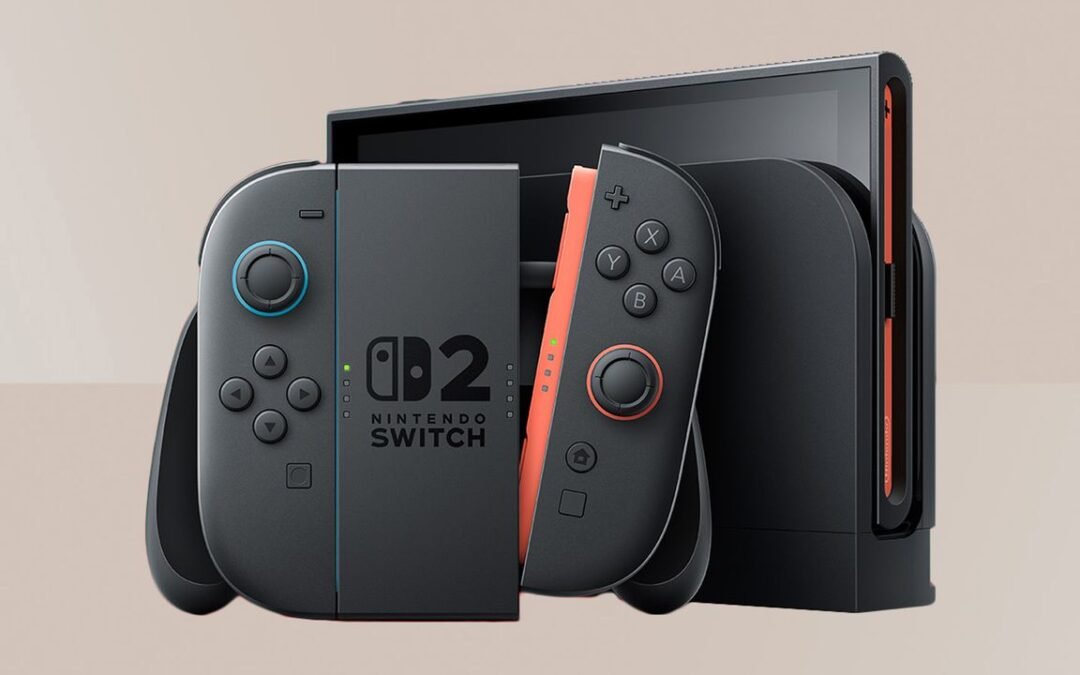
If you’ve been tangled up in the whirlwind of Nintendo Switch Pro vs Switch 2 speculation lately, trust me—you’re not alone. I’ve been glued to every rumor, leak, and whisper like I’m in a mystery novel I can’t put down. The latest twist? Some folks, including the experts at Digital Foundry, are starting to wonder if the elusive Nintendo Switch Pro was never real in the first place—or maybe it quietly evolved into the Switch 2 we’re all anticipating now.
It’s a theory that’s got me raising my eyebrows and squinting at timelines. Did we misunderstand Nintendo’s moves all along? Or was the Pro version scrapped in favor of a true next-gen follow-up?
The Long Road: Nintendo Switch Pro Hype and Confusion
Let’s rewind a bit. The Nintendo Switch Pro rumor mill has been grinding since at least 2020. Every few months, a new report claimed that a beefier, 4K-ready Switch was around the corner. I remember pausing a Mario Kart session just to read a headline that swore the Pro was launching by holiday season. (Spoiler: it didn’t.)
Honestly, I don’t blame us for jumping on the hype train. The base Switch—while still a gem—started showing its age. If you’ve tried playing the more demanding third-party titles, you know what I mean. Frame drops, long loading times, and that not-so-sharp handheld screen sort of reminded us that eight years is a long time in console years.
Many of us assumed Nintendo would bridge the gap with a Pro model. Something like what Sony and Microsoft did with the PS4 Pro and Xbox One X. But… nada.
So Was the Switch Pro Real or Just the Switch 2 in Disguise?
Here’s where things get juicy. According to a recent article, insiders speculate that maybe the much-discussed Switch Pro was never meant to be released. Instead, it might have existed purely as a development stepping stone—pieces of tech tested internally, scrapped, refined, and ultimately folded into what’s now being called the Switch 2.
That honestly makes a lot of sense to me. Nintendo’s never been afraid to play the long game. Rather than tossing out an iterative upgrade, maybe they decided to skip the half-step and go straight to the finish line with a true successor.
I mean, if Nintendo felt the Pro wouldn’t stand out enough or justify its price tag, shelving it in favor of something bolder could’ve been the smarter move.
What the Switch 2 Might Bring to the Table
Okay, wild Pro theories aside, let’s talk about the Switch 2. Based on everything floating around, this next console might actually deliver what we hoped for in the Pro—plus some extra seasoning.
- Improved performance: Rumors suggest a more powerful NVIDIA chipset, giving it PlayStation 4-level performance or better. That could mean smoother gameplay, better AI, and maybe, just maybe, consistent 60 FPS in games like Breath of the Wild 2 (or whatever sequel we’re praying for).
- Dolled-up graphics: There’s talk of support for DLSS upscaling and 4K output when docked. Perfect for those of us who shelled out for giant TVs and want to see Mario in crystal-clear detail.
- Backwards compatibility: This is more hope than confirmed news, but early test kits supposedly ran existing Switch games just fine. If true, that’s a huge nod to longtime Nintendo fans who’ve built up big digital libraries.
- Fancier screen: Will it stick with OLED? Go bigger? We don’t know for sure. But after seeing how buttery-smooth the OLED screen looks, I can’t imagine Nintendo stepping backward.
Is all of this confirmed? Nope. But if even half of it turns out to be true, the Switch 2 could be exactly the jump we were waiting for—without all the confusion that might have come with an in-between Pro model.
Why This Nintendo Switch Pro Puzzle Matters to Fans
So let’s circle back. Why does the whole Nintendo Switch Pro vs Switch 2 speculation matter so much to us die-hard fans?
It’s not just tech specs or resolution count. It’s about trust, timing, and feeling like we’re in the loop with a company we love. When we hear a dozen reports about a Pro version coming, we start making buying decisions—like whether to hold off on a Switch OLED, or save up for the “real” upgrade we think is coming soon.
I remember convincing my cousin not to get the OLED last year because “the Pro’s definitely coming by next spring.” Oops.
With all the back-and-forth, it’s refreshing to just stop and acknowledge what probably happened. Nintendo likely toyed with a Pro behind the scenes but chose a cleaner, more defined future with the Switch 2. It might not give us the instant gratification we expected, but it certainly promises something steadier and more forward-looking.
Let’s Talk Timing: When Will Switch 2 Actually Drop?
If you’re like me, you’ve been scanning holiday calendars and gaming expos trying to guess when we’ll finally get our hands on this thing. The current speculation leans toward an early 2025 launch. Which, yeah, feels far off. But when you think of how long we’ve waited through Pro rumors and missed launches, what’s a few more months?
And hey, if the Switch 2 truly folds all that Pro flavor into one definitive console? It’ll be worth the wait.
Final Thoughts on the Nintendo Switch Pro Mystery
In the grand scheme of games and gadgets, the Nintendo Switch Pro vs Switch 2 debate might feel like splitting hairs. But to me, it’s part of what makes gaming exciting. The rumors, the reveals, the eye-rolls when they don’t come true—it’s all part of the ride.
Now that things are starting to click into place, I see all those Pro whispers as part of a bigger plan. One that’s led us here, standing at the brink of Nintendo’s next leap. Whether or not we ever get a true “Pro,” I’m finally at peace knowing the future’s shaping up to be something special.
And when that Switch 2 finally launches? You better believe I’ll be first in line—waiting with my Joy-Cons strapped, snacks on the counter, and totally ready to play.
by TechNova | May 14, 2025 | Tech Insights
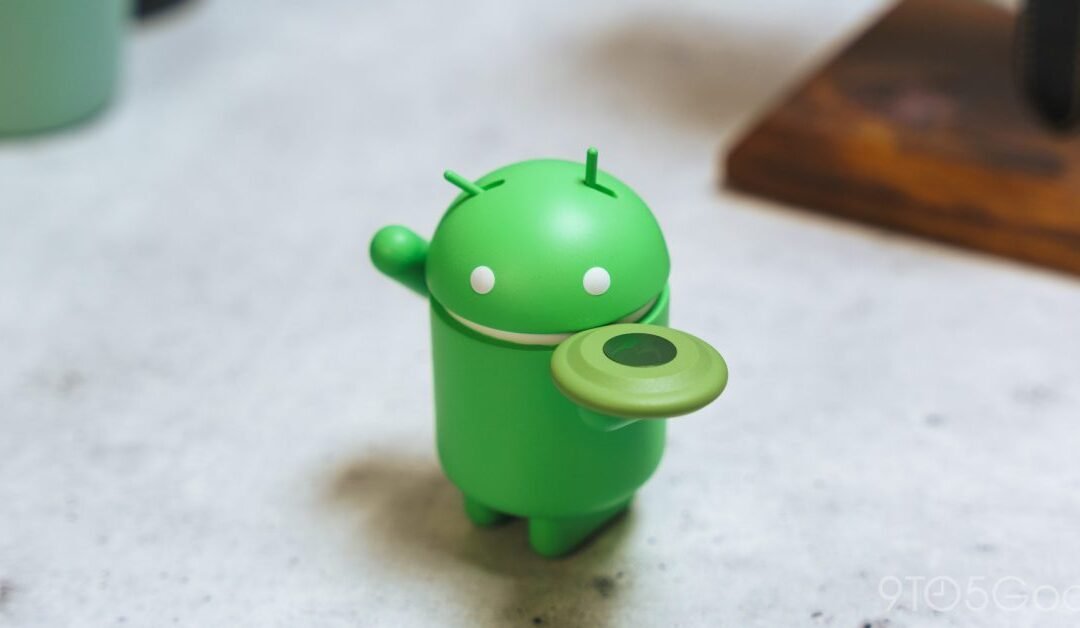
If you’ve ever found yourself standing at the baggage carousel, heart pounding, scanning for a suitcase that never shows up — I feel your pain. I’ve been there more than once, silently wondering if I’d just lost my favorite hoodie to the airline abyss. So when I heard that the Google Android Tracker adds UWB and luggage support, I practically did a happy dance. Finally, it feels like someone’s listening to our everyday travel nightmares.
The Google Android Tracker has already been a strong contender for folks who like to keep tabs on their valuables. But now, it’s stepped into a whole new level of usefulness — especially for travelers. With Ultra Wideband (UWB) precision and direct airline luggage integration, Google’s tracker is starting to feel more like a travel buddy than a tucked-away tech tool.
Why This Google Android Tracker Update Matters
Let’s be real — some updates feel more like fluff than function. But this one? It immediately screams practical. The new support for UWB (Ultra Wideband) means your phone can now guide you, almost like a compass, to your lost item. Whether it fell between your couch cushions or got left in the Uber, you’ll get super-precise visual feedback to help track it down.
The most exciting feature for me, though? Luggage tracking with real-time airline integration. If you’ve ever flown and had a pit in your stomach about whether your suitcase made it from Gate A to your final destination, this is the peace of mind we’ve been craving.
What’s New with UWB Support?
Okay, so here’s what makes UWB such a game-changer: it’s all about pinpoint precision. You’re not relying solely on Bluetooth signals anymore. With devices like the Pixel 8 Pro equipped with UWB, you can literally follow on-screen directions to the exact location of your lost item. Think directional arrows, distance counters — kind of like a radar, but way cooler and more accurate.
I tried this with my keys last week. They’d slipped behind the laundry basket (of course), and with my phone in hand, the UI actually guided me inch-by-inch until I reached them. It’s oddly satisfying — a little like playing hot-and-cold, only your phone plays the game for you.
Luggage Tracking with Airline Integration
This is the part that made my inner frequent flyer seriously geek out. The Google Android Tracker is now tied into the “Find My Device” network, which includes an airline luggage integration feature. Here’s how it works in a nutshell:
- You check your luggage at the airport (as usual).
- Your Android tracker, nestled inside the bag, connects to the airline’s backend system.
- You get real-time updates on your suitcase — whether it boarded, transferred, or got sent to Timbuktu by accident.
Imagine landing at your destination and pulling out your phone before the plane even parks fully. Boom — you already know your bag is on the ground with you. No more waiting around anxiously at baggage claim, refreshing airline apps that rarely give concrete answers. This is next-level peace of mind.
Making the Google Android Tracker Even More Useful
Now, there are lots of item trackers already in the game — Apple’s AirTag comes to mind. But what makes the Google version so interesting is how it plugs directly into the Android ecosystem. If you’re an Android user, this is tailor-made for you.
Integration with the New “Find My Device” Network
The updated tracker is built into Google’s refreshed “Find My Device” network. And trust me, this network isn’t messing around. It can tap into other Android devices nearby to help locate your lost stuff — even if your personal phone is miles away. That’s crowdsourcing at its best.
I once left my gym bag (with the tracker inside) at a coffee shop. I realized it, like, hours later. But by then, my phone app had picked up the tracker’s location through another Android user nearby. By the time I got back, it was sitting right where I left it. That’s the kind of magic only a massive network like this could pull off.
Privacy: Yup, Google Thought About That Too
Of course, with all this powerful tracking tech, it’s normal to have privacy concerns. But Google’s taken some clear steps here. They’ve built in alerts that notify users if unfamiliar trackers seem to be following them — a key feature in the current world of personal safety worries. That means no creepy stalking scenarios, thank goodness.
Plus, each registered tracker rotates its ID regularly, making it really hard for bad actors to track someone unknowingly.
Is the Google Android Tracker a Must-Have Now?
If you’d asked me a year ago if I needed a Bluetooth tracker, I’d probably have shrugged. But after losing my backpack on a train once — only to retrieve it later thanks to a tracker — I’ll never go back.
With these new updates, the Google Android Tracker feels less like a luxury and more like a personal assistant who just happens to live inside your phone. Especially if you’re constantly on the move, travel often, or just want to stop misplacing your wallet three days a week (guilty), this gadget is clutch.
Bonus Perks You Might Not Expect
Let’s not forget some underrated perks:
- Family sharing: Trackers can be shared with trusted users — great for keeping an eye on kids’ backpacks.
- Silent alerts: You can trigger a soft sound on your lost item instead of a loud ring. Handy for quiet environments.
- Offline mode: Because it’s connected to a huge Android network, lost items can still be found even when your phone is off or has no signal.
Honestly, the offline location-sharing feature blew me away. It’s the kind of forward-thinking tech that makes you wonder why this wasn’t standard years ago.
Final Thoughts on the Google Android Tracker Evolution
Tech updates come and go, but when one actually makes life easier, it deserves a spotlight. This latest evolution of the Google Android Tracker hits the sweet spot between innovation and everyday usefulness. Especially with UWB and luggage integration, it speaks directly to the chaos of our non-stop lives — and offers calm in the confusion.
If you’ve ever lost your keys, panicked over a travel bag, or just want to feel one step ahead, this tracker could seriously be your new best friend. It certainly has become mine.
by TechNova | May 13, 2025 | Tech Insights
Marvel 1943: Rise of Hydra has officially been pushed back to 2026, and yeah, I know—waiting just got a little harder. This delay stings, especially for those of us who’ve been following the slow drip of updates with more hope than patience. When this game was first teased, the concept of a story-driven Marvel adventure set in World War II sounded almost too good to be true. And now, well, we’re finding out it’s going to stay just out of reach for a while longer.
Still, that doesn’t mean the hype is dead. In fact, this delay might actually be a good sign—stay with me here. Let’s dig into what’s going on, why this matters, and what we can (hopefully) look forward to when Marvel 1943: Rise of Hydra finally lands in our hands.
Why the Delay in Marvel 1943 Rise Might Be a Good Thing
Look, I get the frustration. We’ve all seen games get delayed and sometimes—yeah—it’s not for the best. But in this case? I think we’re standing at a slightly different crossroads. The studio behind Marvel 1943: Rise of Hydra is Skydance New Media, led by none other than Amy Hennig. If you don’t recognize the name, she’s the creative powerhouse behind the Uncharted series, and trust me, that means something.
This delay gives her team more time to polish, refine, and possibly even blow our minds with a better experience than we originally expected. And let’s be honest, after seeing a few high-profile games stumble at launch lately, I’d rather wait and get something amazing than rush in and feel disappointed.
I remember counting the days for a certain space-themed RPG launch last year (you know the one), only to spend my first weekend patching and praying. It’s not fun. I’d rather developers take their time and get it right. We’re not just buying a product—we’re buying an experience. And with Amy’s track record of merging story and gameplay in super cinematic ways, I’m all for giving her team more breathing room.
What We Know So Far About Marvel 1943 Rise
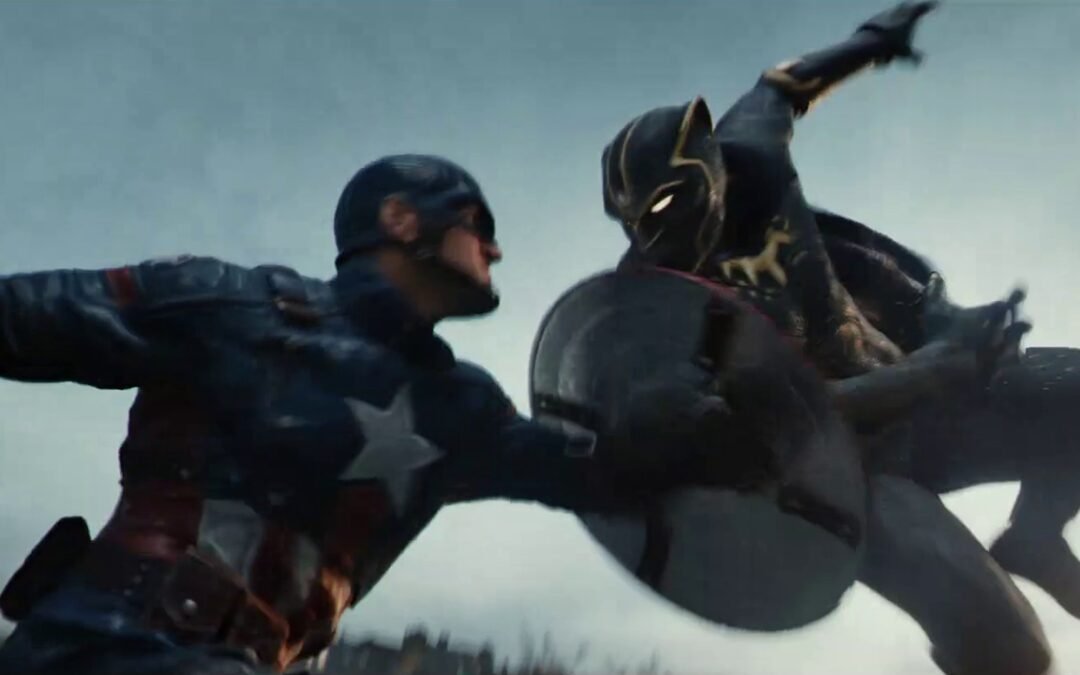
So, what’s this game even about? If you haven’t heard, it’s shaping up to be a gripping, narrative-rich adventure set during World War II—sort of Marvel meets Band of Brothers. You play as two main characters: Steve Rogers, aka a young Captain America, and Azzuri, the grandfather of T’Challa and Black Panther of that era. The vibe? Gritty, emotional, classic Marvel storytelling with a historical twist.
Here’s what’s got me most excited:
- A dual protagonist story – Switching between Cap and the Black Panther gives the game diversity in view and combat style.
- Unique setting – World War II isn’t exactly new in gaming, but mixing that with superheroes grounded in secret wars and underground movements? That’s spicy.
- Story-driven design – With a strong narrative at the center, it’s not just about button-mashing. It’s about making choices, building relationships, and surviving the chaos together.
We haven’t gotten full gameplay reveals yet, but the early cinematic teaser already showed mood, tone, and that unmistakable Marvel spark. I got chills just watching the interaction between these legendary characters. It feels personal, intentional—like Marvel’s really trying something different here.
Who’s Behind Marvel 1943 Rise?
If you’re wondering whether the right people are steering the ship—don’t worry. As I mentioned, Amy Hennig is headlining this thing. And she knows how to build memorable, emotionally complex worlds. Think Nathan Drake’s deep character arc across the Uncharted games—that’s the storytelling pedigree we’re dealing with.
Her studio, Skydance New Media, is newer, sure, but it’s backed by industry veterans. They want to reimagine how narrative action games work, especially in the superhero genre. And I think Marvel 1943: Rise of Hydra might just be their calling card.
It’s rare we get to see such attention applied to both gameplay and atmosphere these days. But from the buzz so far, this game isn’t just going to be a spectacle—it’s going to have real heart.
How Fans Are Reacting to the Marvel 1943 Rise Delay
Not gonna lie—Twitter and Reddit have been a mixed bag since the delay news came out. Some folks are upset, which is fair. Others are cautiously optimistic. And then there are players like me, who are mostly just sipping coffee, whispering “please be worth it” under our breath every time we see a new headline.
I’ve seen a bunch of comments saying, “Well now it better be a masterpiece,” and… honestly? That’s a lot to ask. But is it unreasonable? Maybe not. With two more years to cook, the expectations are naturally going to rise. This isn’t your average side-project Marvel game—it’s a full-fledged entry with real ambition.
What I’d really love is for the devs to open up a bit during the downtime. Throw us some sneak peeks. Share dev diaries. Give us something to hold onto during the wait. Because if there’s one thing we’ve learned, it’s that fans crave connection, even when things go off schedule.
What This Means for Marvel Gaming Overall
With other projects like Spider-Man 2 and Wolverine lighting up the PlayStation consoles, Marvel is clearly doubling down on video games. But something stands out about Marvel 1943 Rise. It’s not shiny and modern. It’s grounded, historical, thoughtful. That choice says a lot about the direction Marvel is willing to explore in its gaming branch.
This could open doors for more narrative experiments in the Marvel universe. Imagine a noir-style Daredevil game. Or an espionage-heavy Black Widow title with Flashback sequences. Marvel 1943: Rise of Hydra might be more than a one-off—it could be a trendsetter.
Waiting Until 2026—What Can We Do Now?
We’ve got time. A lot of it. So what can fans do while we wait for the launch?
- Revisit classic Marvel moments – Whether it’s comics, shows, or older games, there’s tons of character backstory to absorb.
- Play similar story-rich games – If you haven’t tried Uncharted, Jedi: Fallen Order, or The Last of Us, now’s a great time to see where this tradition of storytelling finds its roots.
- Support indie games – Smaller studios are doing amazing things with story. Fill the void while you wait—you might find something special.
And—maybe this is cheesy—but sometimes I think letting ourselves get excited about things like this is part of the fun. Even a delay can’t take away that little kid feeling of waiting for something cool on the horizon. We’ve all been there.
Final Thoughts on Marvel 1943 Rise of Hydra’s Delay
This delay? Yeah, it hurts a bit. But it also means the folks at Skydance want to make something that’ll stand the test of time. Maybe it’ll be the kind of game we tell our friends about for years. The kind that doesn’t just end when the credits roll. The kind that leaves an emotional mark.
If you ask me, that’s worth waiting for.
by TechNova | May 13, 2025 | Tech Insights
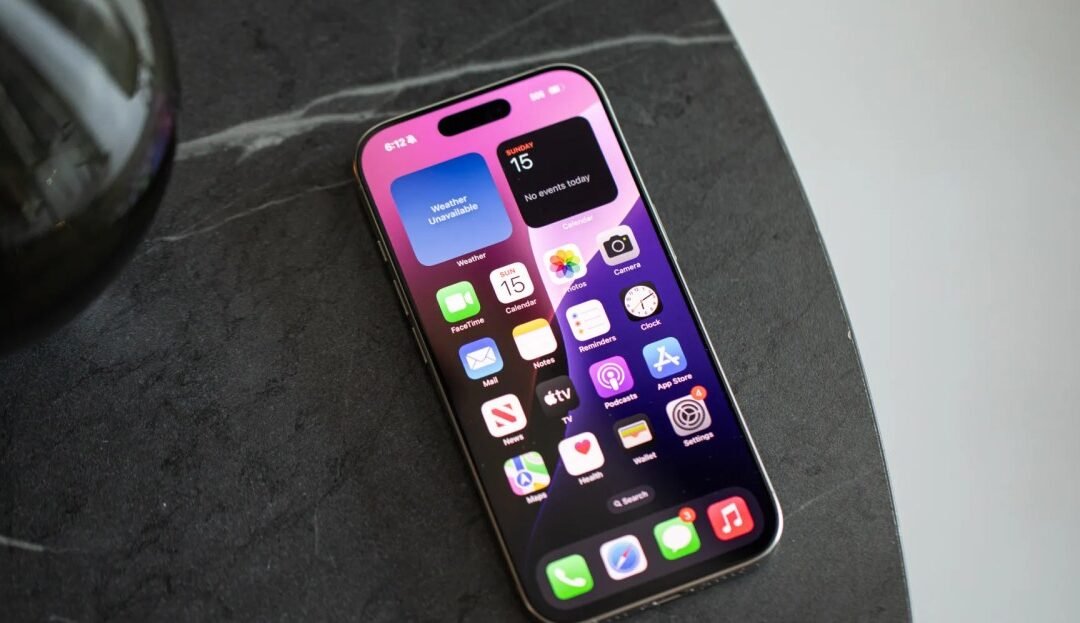
I recently stumbled upon the Apple iPhone Battery AI Optimization Update in iOS 17.5, and let me tell you—if you’ve been silently wishing your iPhone battery could last just a bit longer, you’re not alone. My iPhone 13 has seen better days, and I’ve been pretty obsessed with squeezing out every extra minute of power I can. So, the idea that Apple is now leaning into AI to help conserve the iPhone battery without us lifting a finger? That grabbed my attention quick.
What Is This AI Battery Update All About?
So here’s the scoop. Apple quietly rolled out a new feature based on artificial intelligence aimed specifically at optimizing the longevity of your iPhone’s battery. Unlike the usual battery saver features that cut background activity or dim the screen, this update works behind the scenes, learning your phone habits like a little digital sidekick.
It’s now available in iOS 17.5, and right now, Apple’s testing it on iPhone 15 models only. Sorry, older iPhone users (myself included). But still, it’s a peek into where Apple is going with its strategy of power preservation: smarter, not harder.
How Does It Actually Work?
Imagine this. Every night, you’re plugging in your phone before bed, setting it on your nightstand like usual. The iPhone’s AI now knows you’re likely doing that, so it doesn’t charge your battery to 100% right away. Instead, it might pause the charge at 80%, then ramp up to full just before your morning alarm goes off. This kind of thinking is what helps reduce “battery aging”—basically Apple’s way of helping your phone stay healthier, longer.
I laughed a bit when I read this because I’ve always manually unplugged my phone mid-charge, just because I read once somewhere that “charging to 100% all the time is bad.” Turns out, now the phone wants to do that for us. Smart!
Why It Matters for Long-Term Apple iPhone Battery Health
Let me get real for a minute: most of us don’t think about our battery’s health until it hits 85% max capacity and our phone dies at 30% for no obvious reason. Apple calls this “battery aging,” and it happens to all lithium-ion batteries. But this Apple iPhone battery optimization feature tries to slow down that process.
Here’s why this is actually a big move:
- Heat Control: Charging generates heat. AI-based charging limits excess heat, which prevents long-term battery damage.
- Cycle Awareness: Your phone’s battery only has so many full charge/discharge cycles. Optimizing each one means fewer wasted cycles.
- Lifestyle Matching: The phone tailors itself to you. Night owl? It learns that. Early riser? It adjusts. Wildly inconsistent sleeper like me? It’s… trying its best.
I can’t help but think back to my old iPhone 6 days when battery drainage felt like a timed game of panic. Fast forward to this—AI that tweaks patterns so efficiently you don’t even notice it’s happening. Honestly, it’s kind of magical.
What You’ll Notice On Your iPhone
Okay, here’s the nuts and bolts of what shows up in your Settings if you’ve got this update on iPhone 15:
- Go to Settings > Battery > Battery Health & Charging
- There’s a new label that says “Charging Optimization.”
- Below it, it’ll say “iPhone has learned your charging patterns to reduce battery aging.”
Simple, right? The interface is clean—very Apple. What impressed me most is that the update is seamless. There’s no massive setting to tweak or charts to study. Just an opt-in feature that quietly does its job. That’s the best kind of tech update, in my opinion.
The Future of Apple iPhone Battery Tech Looks Smarter
Apple’s always obsessed over user experience—and now, it feels like they’re folding that mindset into battery health, not just performance or aesthetics. This might only be a small step today, but it’s paving the way for bigger battery-focused features powered by AI in the next iOS versions.
Here’s what I’d love to see next:
- Custom suggestions like: “Hey, looks like you forgot your charger—reduce performance to save battery life?”
- Better real-time battery forecasts based on daily routine, not just screen-on time.
- More control for power users who want to tweak things manually (yes, I’m that nerd).
I don’t know about you, but I love when tech starts meeting us where we are instead of the other way around. It makes using our devices feel more natural, less like a constant game of micromanaging.
Final Thoughts: Is This Really a Game Changer?
If you’re sporting an iPhone 15, this update starts working for you—no extra steps needed. It’s subtle, maybe even invisible most of the time, but that’s the beauty of good design. It’s there when you need it and quiet when you don’t.
For the rest of us on older models, it’s another reason to start eyeing that upgrade (sigh). But at least it’s promising. It shows Apple’s thinking longer-term about our Apple iPhone battery health and not just shipping out bigger batteries and calling it a day.
I’ll leave you with this: batteries aren’t sexy. But freedom from battery anxiety? That’s golden. If AI can help make that a reality—well, sign me up every time.

by TechNova | May 12, 2025 | Tech Insights
As great as the promised update sounds, the Apple Wi-Fi Hotspot feature needs one upgrade to truly feel magical. Don’t get me wrong—what Apple’s planning for iOS 18 will be a big quality-of-life improvement, especially if you’re an iPhone and Mac user. But I can’t help but think: Why stop there when we’re just one small step away from something truly seamless?
I use the Apple Wi-Fi Hotspot almost every day when I’m working remotely or when my home internet decides to have one of its moods (you know those days). If you’ve ever had to fumble through the settings on your iPhone just to connect your MacBook, you already know: the current version often feels a bit clunky. So yes, Apple’s update is a huge deal—but it’s still missing the cherry on top.
What’s Changing With Apple’s Wi-Fi Hotspot Feature?
In the upcoming iOS 18 and macOS Sequoia updates, Apple’s fine-tuning how Personal Hotspot works. Instead of manually selecting your nearby iPhone and typing in a password, your Mac will now be able to automatically connect to your iPhone’s hotspot in the background. Smooth, right?
Here’s what they’re promising:
- Your Mac will detect your iPhone and connect to its hotspot automatically, no extra steps required.
- No need to toggle Personal Hotspot on your phone first—it’ll just… work.
- Better reliability and less wait time when switching from Wi-Fi to cellular data.
That sounds perfect on paper. But in real life? It solves only half the problem.
The Missing Piece: Better Multi-Device Support
Here’s where the sun sets a bit early on Apple’s big hotspot moment. The upgrade seems to focus on one-to-one connections: your iPhone and one Mac. That’s fine if you’re flying solo. But what if you’re like me and juggling multiple Apple devices—say, a MacBook, an iPad, and maybe even a second Mac at home?
Imagine this:
- You’re out with your Mac and iPad—both need internet.
- Your iPhone can offer hotspot to only one of them at a time.
- If the Mac grabs the connection first, your iPad is left refreshing endlessly.
It feels like a silly limitation for an ecosystem that’s supposed to “just work,” doesn’t it?
What would make things magical is true multi-device hotspot sharing. Let me connect my iPhone to all my gear at once—seamlessly, securely, and without having to micromanage which device taps in. That’d be the upgrade that pulls Apple’s Hotspot feature from “really convenient” to “why doesn’t everyone do this?”
When Your Workflow Depends on Instant Internet
Last month, I went to a cozy little cabin for a creative reset. No cable, no distractions, but one big lifeline: my iPhone’s hotspot. I took along my MacBook and iPad, thinking I’d jump between them as needed. But here’s the kicker—I had to keep disconnecting the hotspot from one device to use it on the other.
It wasn’t the end of the world, but it was definitely not the intuitive experience I expect from Apple. Things like this remind you how even small limitations can slow you down when you’re in a flow. And they pull you out of that dreamy “everything syncs” bubble that Apple usually nails.
Why the Apple Wi-Fi Hotspot Could Be So Much More
This update is clearly aimed at streamlining the user’s day-to-day. That’s great! But the bar is high, especially for Apple. Their best features—Hand-off, AirDrop, Continuity Camera—don’t just work. They anticipate what you want. That’s what the Apple Wi-Fi Hotspot function should aim for, too.
Here’s the dream version:
- You walk into a coffee shop with no Wi-Fi.
- Your Macbook, iPad, and maybe even an Apple Watch with cellular all start pulling data from your iPhone instantly.
- No settings, no buttons, no fumbling. Just internet, without effort.
And if Apple’s worried about battery life or data management? They’ve already got the smarts in iOS to handle that. Prioritize devices. Warn me about excess data drain. But please, let me stay in the zone without babysitting my hotspot.
Security and Limits: Legit Concerns, But Fixable
Now, to be fair, I get the possible reasons why Apple’s holding back. Tethering multiple devices to one phone could bog down performance or chew through your battery. There are also privacy questions—like, how do you know you’re really connecting to your phone and not a lookalike device?
But come on, Apple’s the king of solving tough tech puzzles behind the scenes. Face ID, App Privacy Reports, even AirTags with anti-stalking alerts—they’ve done it all. If any company can make multi-device Personal Hotspot both secure and intelligent, it’s Apple.
So while I respect the cautious approach, I still think they can push further without opening a security can of worms. Just build in some smart context: only allow verified devices under your Apple ID. Limit to three, or even just two, simultaneous peers. Let users toggle it off if they don’t want that behavior. Options, not limitations—that’s always the better user experience.
What This Means for Everyday Users Like Us
Honestly, most people probably won’t notice the current limit until they hit it. But once you rely on the Apple Wi-Fi Hotspot even a little, its quirks start to show. From students to freelancers to road warriors like me, hotspots can be lifelines. They shouldn’t come with caveats.
This update is a good step, and I’ll welcome it with open arms. No more poking through Settings or facing that dreaded “Cannot Connect” error. But I’ll still be wishing for more—because I know Apple can do it.
So here’s my personal ask: Let my iPhone be the reliable, connected hero it wants to be. Give it the gift of multi-device support, and you’ll have one happy blogger on your hands.
Final Thought—Close Enough, But Not Quite There
We’re on the brink of something great. Apple’s Wi-Fi Hotspot feature is so close to evolving into exactly what the ecosystem needs. It’s already useful—and it’s about to get a lot better. But one more step would unlock a whole new level of convenience for folks like me who live and work across multiple Apple devices.
And let’s be real: if we’re dreaming of a future where our tech just fades into the background and works, then this is one small upgrade that’d make a big difference.
Till then, I’ll be toggling, switching, and waiting… at least a little less than before.
