by TechNova | May 17, 2025 | Tech Insights
Let me tell you, when I first heard about Android 16 Notification Magic Actions with Gemini AI, I thought it sounded like something from a sci-fi movie. But nope—it’s real. And honestly? It’s the kind of practical magic our phones have needed for a long time. I’ve been playing around with the Android 16 Notification features on my Pixel for a few days now, and I’m genuinely impressed by how seamlessly it reads my mind. Almost creepy. Almost.
Why Android 16 Notification Magic Feels Like a Personal Assistant
You know those moments when your phone buzzes, you glance at a message, and think, “Ugh, I’ll respond later”—but then you completely forget? That was me every other day. What makes the Notification Magic Actions so special is how they cut out the in-between steps. With help from Gemini AI, Android 16 understands what kind of response is needed, and gently nudges you to take care of things right away.
For instance, I got a text from my sister last week asking, “Are you coming to dinner on Saturday?” Normally I’d open the message, start typing, get distracted by a cat video, and forget all about it. Android 16 suggested three replies—quick, context-aware answers like “Yes, I’ll be there!” or “What time again?” I just tapped and sent. Done. It’s like predictive text, but smarter—and actually useful in a real-world situation.
How Gemini AI Powers These Notification Superpowers
Under the hood, this isn’t just regular auto-reply. Gemini AI is the brains behind the operation, and it’s surprisingly good at catching nuances. It doesn’t just see “Dinner?” and throw out generic responses. It actually processes tone, context, even your past interactions. I tested this by getting a work email with a meeting invite. Instead of offering “Yes or No,” it knew I needed to choose a calendar slot—and popped up with “Accept and add to calendar” or “Suggest a new time.” Smart, right?
This feels less like a gadget and more like an actual assistant that remembers how I like to respond and when. And the beautiful part? I didn’t have to dig through any settings to make it happen. It just worked after I updated to Android 16.
Using Android 16 Notification Features on the Go
My mornings? They’re hectic. Coffee in one hand, grabbing keys with the other, running out the door barely coherent. But even in the chaos, the Android 16 Notification setup manages to simplify things. I was recently on the train when I got a ride-share notification. Without even opening the app, I saw new Magic Actions pop up: “Change drop-off” and “Share ETA.” One tap and it was done. No fumbling. No digging.
I didn’t realize how often I waste seconds (that feel like minutes) just bouncing between apps. Those tiny delays add up. With Android 16 and Gemini in the background, notifications turn into action points—not passive alerts.
Things You Can Do with Android 16 Notification Magic
Okay, so let’s break it down a bit. These are some of the practical, daily things I’ve been using:
- Instant message replies: Whether it’s WhatsApp, Messages, or Slack, I’m getting smart, editable auto-replies based on the conversation’s vibe.
- Email scheduling: Got a Gmail with a request for a meeting? Options appear right in the notification—no app-jumping required.
- Ride-sharing tweaks: Change address, share your ride status, or contact the driver—all from the notification bubble.
- Calendar invites: Accept, decline, or propose new times on the fly.
- Package tracking: If you’re like me and compulsively track deliveries, Magic Actions makes it painless to check on your orders right when the tracking alert hits.
I’m not just listing features here. These things have shaved minutes off my daily routine—without me even noticing at first. That’s the magic, really. It sneaks in and makes life smoother without forcing you to learn something new.
Is It Always Perfect? Well…
I’ll be real—Gemini AI doesn’t get it right 100% of the time. There were a few seriously “what are you thinking?” moments. One time it suggested a reply that was way too formal for a text from my buddy. I burst out laughing. But hey, even human assistants can miss the mark sometimes.
And yeah, not every app is supported yet. I’m hoping they roll out expanded support soon, especially for some less mainstream messaging apps and banking notifications. But what’s already here is impressively intuitive.
The Feel of Android 16 Notification Magic in Daily Life
I’ve started thinking of notifications as small conversations rather than chores to clear from my screen. That subtle shift? It’s made me less overwhelmed, weirdly enough. Before Android 16, I felt like my phone was constantly demanding attention. Now it’s offering help. Gentle nudges instead of digital shouting. It’s changed the relationship I have with my device—and that’s not something I say lightly.
If I’m sitting in traffic or grocery shopping and a task pops up, I don’t sigh and ignore it. I just tap once and boom—done. There’s a sweet rhythm to it. You start trusting your phone a bit more because it’s doing what you would do, not what it’s programmed to do. That’s big.
Should You Bother with Android 16?
If your phone already supports the Android 16 update, absolutely give this a try. The Magic Actions itself feels like a feature we’ll all wonder how we lived without. It’s rare for a software update to change your daily flow like this. Usually you get a new font, a shiny widget, and that’s it. But this? This is life-improving, not just cosmetic.
And if you’re someone who hates having a mile-long notification bar? You’ll appreciate how tidy things feel with this feature. It’s clean, it’s useful, and—dare I say—it’s kind of joyful.
Final Thoughts: A Little Bit of Magic Goes a Long Way
There’s something satisfying about technology that gets out of the way and just lets you live. Android 16 Notification Magic Actions with Gemini AI does that. It blends AI smarts with a human feel, and the result is a phone that thinks with you, not for you.
After a week of using it, I’ve found myself picking up my phone with a little less dread. There’s no chaos waiting—just helpful nudges and smart suggestions. It’s like the tech version of a well-timed cup of coffee. Quietly powerful. And exactly what I didn’t know I needed.
by TechNova | May 16, 2025 | Tech Insights
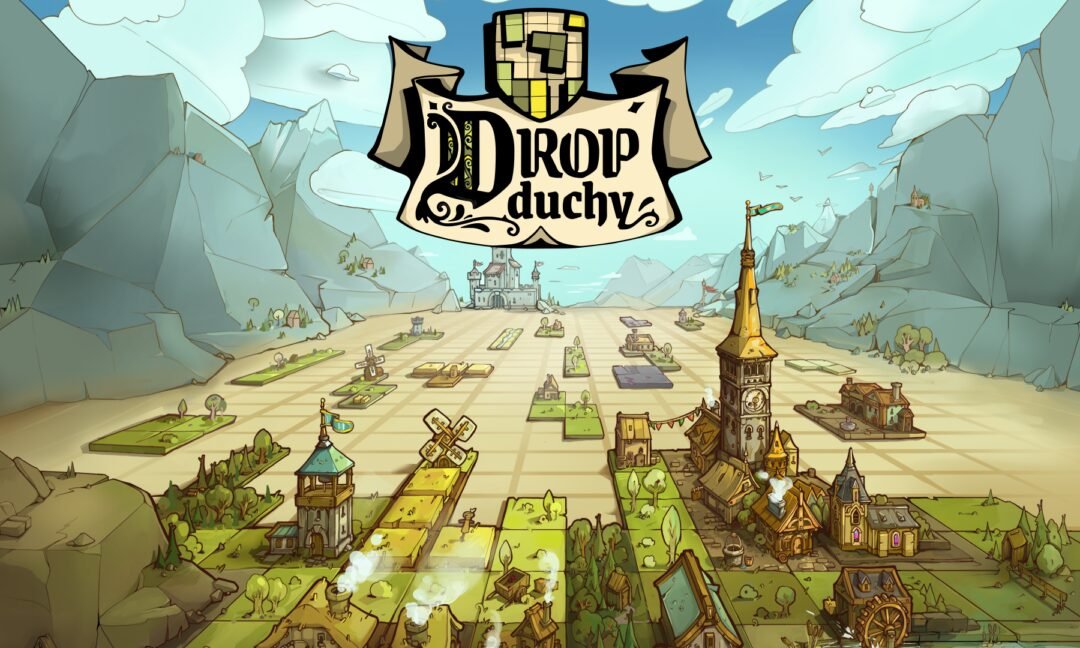
Imagine the satisfying block drops of Tetris crashing into the strategic, tile-laying vibes of Carcassonne—that’s exactly what you get with the new Drop Duchy Puzzle game. It’s a bold mashup that sounds weird on paper, but trust me, it works. Drop Duchy is that delightful surprise you didn’t know you needed—a blend of reflex-driven puzzling and thoughtful kingdom-building that’s totally absorbing.
I stumbled on the game while scrolling through upcoming indie releases, and something about the pitch stopped me. “Like Tetris, but with medieval duchies.” Wait, what? I downloaded it immediately and didn’t put it down for hours. And when a puzzle game keeps you playing past bedtime on a work night, you know it’s doing something right.
What Makes Drop Duchy Puzzle So Unique?
At its core, Drop Duchy is simple: tiles fall from the sky, and you have to place them to build a coherent duchy—complete with towns, roads, castles, forests, farms—you name it. It’s all about pattern recognition, quick thinking, and long-term planning. Oh, and each tile has special symbols and path connections that link to scoring mechanics.
If that sounds like a lot, don’t worry. The game slowly introduces you to its rhythms, and somehow, the mechanics just click. It reminded me of that learning curve in Tetris where all of a sudden, your hands are moving faster than your brain. But here, there’s this peaceful layer of strategy laid over the whole thing. It’s like cleaning up your mental clutter, one medieval town square at a time.
Deck-Building Meets Tiling: A Clever Twist
One of the most compelling elements of the Drop Duchy puzzle experience is how it fuses deck-building into the falling-tile concept. Instead of a random mess of shapes like in Tetris, you can customize your “deck” of tiles over time.
You collect new tiles by scoring well, and that shapes how your future pieces will drop. It’s subtle, but it gives you ownership over the way your board evolves. Think of it like planning a city with a set of tools unique to you. Want more big houses to boost population? Add ’em to your deck. Prefer winding roads that score high but take finesse to place? You do you.
This alone makes every session feel fresh. No two maps are the same, and your strategy can shift dramatically game-to-game. It opens up avenues for experimentation that most puzzle games just don’t offer.
How Drop Duchy Puzzle Game Combines Brains and Chill
What I love about Drop Duchy is the balance between movement and meditation. It’s not constantly yelling at you to go faster. Sure, there are moments when things ramp up—it wouldn’t be a Tetris homage without that heartbeat-skipping tension—but most of the time, it’s oddly calming.
The soundtrack helps too. It’s rich but understated, like lo-fi beats had a baby with medieval lute tunes. I often found myself bobbing to the music while planning out a tricky placement. It’s soothing without being sleepy.
Paired with the dreamy art style—gorgeous pastel tiles with soft borders and tiny details like chickens in fields or little smoke trails from houses—the game has a gentle magic to it. It invites you to stay awhile, to keep tinkering with layouts until everything feels just so.
Points, Prestige, and The Joy of Optimization
Here’s where the game hooked me long-term: scoring well isn’t just about surviving. It’s about optimization. Do you connect two roads now, or save that tile for a bigger combo later? Do you place a castle in the center of your duchy or save it for a more strategic corner where bonuses stack?
Players who love to tweak and plan will be in heaven. And those of us who get a little thrill from climbing leaderboards? Oh yeah, there’s weekly challenges and crown-based progression systems. It’s just enough carrot to keep you pushing for a better round—without feeling like homework.
Drop Duchy Puzzle: Casual or Hardcore? You Decide
Here’s what I find so clever about the Drop Duchy puzzle formula—it can flex to match the way you play.
- If you just wanna chill, build a few tiny hamlets, and listen to relaxing music, you can do that.
- If you want to min-max your way to duchy greatness and unlock every achievement in sight, that door’s wide open too.
- There’s even a roguelike campaign where every decision about your “tile deck” matters. It’s challenging, but in that “one more run” kind of way.
Seriously, it’s rare to find a puzzle game with this much flexibility. I’ve had sessions where I’m laser-focused, tweaking my tile placement like a surgeon. And nights where I lazily click away while sipping chamomile tea. Both felt worthwhile. That’s magic, honestly.
Tips If You’re Just Starting With Drop Duchy
If this sounds like your kind of thing (and honestly, it should), here are a few casual pointers to spin you up:
- Think in chains. Don’t just place tiles—consider how they’ll connect with future ones.
- Don’t ignore the edge of your duchy. Maximizing space is key when tile drops get tighter.
- Watch for synergies. Certain tiles work exceptionally well together—figure out your favorites early.
- Enjoy the ride. It’s okay to fail a run. There’s joy in watching your little kingdom grow, even if it’s a hot mess.
Most importantly, give yourself permission to play without pressure. The game’s beauty is in the process, not just the score.
Final Thoughts on the Drop Duchy Puzzle Experience
If you’ve got a soft spot for puzzles, a love of medieval aesthetics, or even just a craving for something different, Drop Duchy is worth every second. It’s rare to see a game that dares to blend so many genres—and even rarer when the fusion works this well.
I walked into this game expecting a clever twist on familiar tropes. What I found was one of the most thoughtful, quietly addictive puzzle games I’ve played in years. It’s the kind of game that makes you smile when you boot it up. That gently holds your attention after a long day. That sends you to bed thinking, “Okay, just one more tile…”
So if you need a break from bloated AAA chaos, if you miss games that are just fun to be in—do yourself a favor and try Drop Duchy. You might just stay a while.
by TechNova | May 16, 2025 | Tech Insights
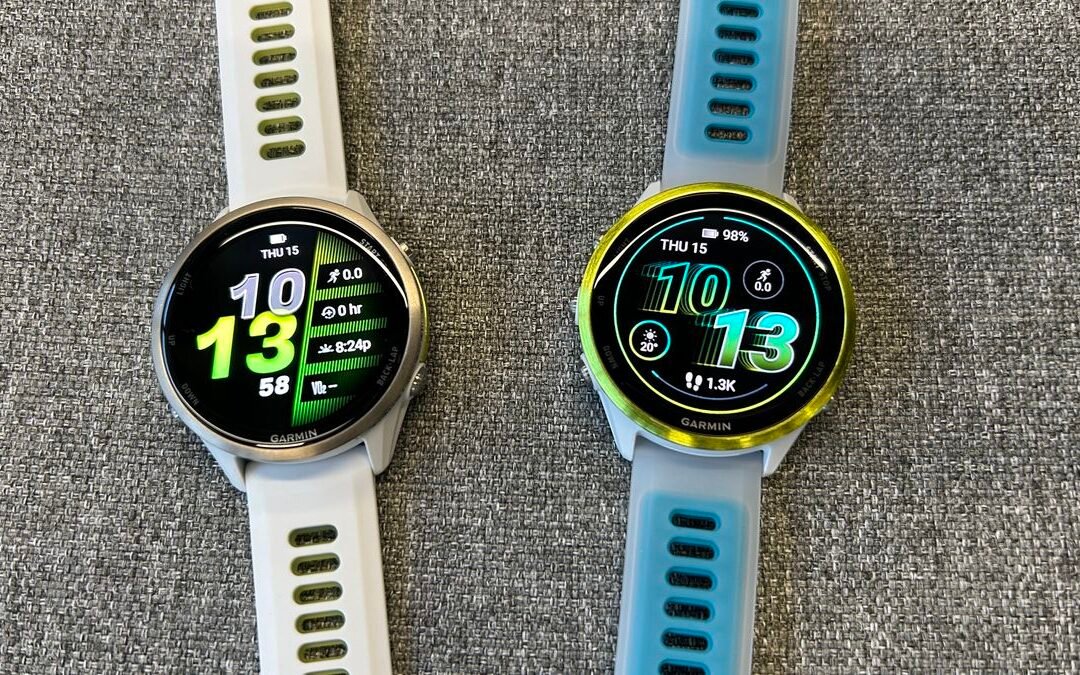
If you’re as gear-obsessed as I am when it comes to running watches, then you’re going to love this: the Garmin Forerunner 570 and 970 have just dropped, and wow — the features are next-level. I’ve been following Garmin’s releases like a hawk (pun intended?), and this upgrade isn’t just shiny marketing fluff. These two models are seriously stacked. Especially the Garmin Forerunner 570 — it’s like they knew exactly what runners, triathletes, and outdoor junkies wanted.
Honestly, when I saw the new features, I had that same kid-in-a-candy-store energy. You know that moment when your tech gets an update that actually changes how you use it? That’s what we’re dealing with here.
Smarter Sleep Tracking With Morning Readiness — Yes, Please
The first feature that genuinely caught my attention is Morning Report + Readiness Score. For anyone who’s ever tried to do intervals on four hours of sleep (guilty!), this is a game-changer. The Forerunner 570 now combines sleep data, recovery metrics, heart rate variability, and overall stress to give you a readiness score each morning.
I’ve used other smartwatches with recovery recommendations, but this actually feels more intuitive. It’s not just saying, “You slept badly.” It’s telling me, “Hey, maybe don’t PR a 10K today.” And honestly? Sometimes I need that kind of tough love to avoid burnout.
Garmin Forerunner 570 Adds New Race-Prep Features
Another bold step is the Race Day Card. This sweet little overview gives you tailored race-specific advice each morning leading up to your big event. For someone like me who stresses the week of a race (do I carb-load today or tomorrow? Am I tapering too soon?), this kind of guidance is priceless.
The 970 model takes it a step further by integrating predicted weather conditions and course-specific GPS maps right into your watch face. No need to guess if you’ll be battling headwinds at mile 12 — the Forerunner will have your back.
Garmin Forerunner 970 Delivers Real-Time Stamina Insights
Okay, this one blew my mind: Real-Time Stamina tracking. You know how during a long run, you just sort of… guess how much you’ve got left in the tank? Not anymore. The Forerunner 970 can now estimate your potential stamina during an ongoing workout — as in, while you’re on mile 7 of 10, it’ll show you how much gas is in the tank.
During my first test run with it, I started too fast (classic me), and my stamina reading dropped quickly. That visual reminder helped me reign it in early enough to finish feeling strong instead of crawling the last mile.
For marathon trainers or even casual runners aiming for longer distances, this feature is gold. It’s like having a pacing coach whispering in your ear… or, you know, buzzing on your wrist.
Do You Love Data? Then You’ll Geek Out Over This
I’m a sucker for metrics I didn’t know I needed, and Garmin seems to know that. The 970 also brings in Wrist-Based Running Dynamics. Previously, you needed a chest strap for this level of detail. Now, you’re getting cadence, vertical ratio, stride length, and ground contact time straight from your wrist.
These aren’t just numbers — they tell a story about how efficient (or sloppy) your form is. Are you overstriding? Are you bouncing too much? This data makes it easier to tweak your gait and avoid injury down the road. And for this aging runner’s knees, I’ll take all the help I can get.
Garmin Forerunner 570 Offers Advanced Mapping For Trail Lovers
If you’re anything like me, trails call your name in the spring. The problem? Getting lost. I’ve zig-zagged up enough wrong hills to know that detailed maps save time, sanity, and sandwiches.
The Forerunner 570 now includes topographic maps and turn-by-turn navigation. Yes — from your wrist. And it doesn’t burn your battery to a crisp either. I spent five solid hours navigating a forest loop last weekend with zero signal issues and plenty of juice left to track my cooldown walk.
Plus, the new elevation heat maps helped me spot the steepest climbs before I got to them. Mentally preparing for a brutal ascent? That’s half the battle right there.
Battery Life That Actually Keeps Its Promise
Can we talk about battery life? Because here’s where I’ve been burned before. Some smartwatches promise “up to 15 days!” — but only if you basically don’t use any features.
Both the Forerunner 570 and 970 walk the walk. We’re talking 17 days in smartwatch mode and still a very full endurance tank in GPS-only mode. A weekend camping trip? You’re covered. Ultra races? No more carrying a charger in your vest pocket.
So, Should You Get the Garmin Forerunner 570 or 970?
I’ve been chewing on this one myself. If you’re looking for a serious upgrade from an older Garmin model or something like an Apple Watch SE, both of these devices bring the heat. The Forerunner 570 is better suited for mid-level runners who want deeper insights without getting overwhelmed by too many elite-level metrics.
The 970, on the other hand, is unapologetically made for the hardcore crowd. Think Ironman athletes. Trail ultra runners. Data freaks (I say that with love — I may be one). It’s got every bell and whistle you can dream of and then some.
The Bottom Line
To be honest, Garmin could’ve just done a simple refresh and most fans would’ve been happy. But instead, they delivered innovation with genuine value — features that make you train smarter, recover better, and maybe even enjoy your workouts more.
And isn’t that what it’s all about? A watch that inspires you to get out there and chase that next personal best — or just a peaceful sunrise run with good coffee waiting at the end.
If you’ve been on the fence, this might just be the nudge you’ve been waiting for. Happy running — and don’t forget to charge up! Or, with the Forerunner 570 or 970, you might not have to worry about that for a while.
by TechNova | May 15, 2025 | Tech Insights
If you’re curious about my thoughts on the latest Motorola Razr Ultra features and foldable review, buckle up. I’ve had the chance to mess around with this wild little device, and let me tell you—it’s a throwback wrapped in a futuristic coat. The Motorola Razr Ultra isn’t just a phone. It’s an experience that hits that delicious sweet spot between nostalgia and next-gen cool. And yeah, it folds—like really folds.
First Impressions of the Motorola Razr Ultra
Okay, picture this: I’m in a coffee shop, minding my business, and I unfold this sleek beauty to answer a call. The group at the next table gives me a side glance, and then—“Is that the new Razr?” Yep, people notice this thing. The Motorola Razr Ultra has that rare, head-turning charm. It takes the iconic clamshell design many of us loved (or envied) in the early 2000s and gives it a hyper-stylish upgrade.
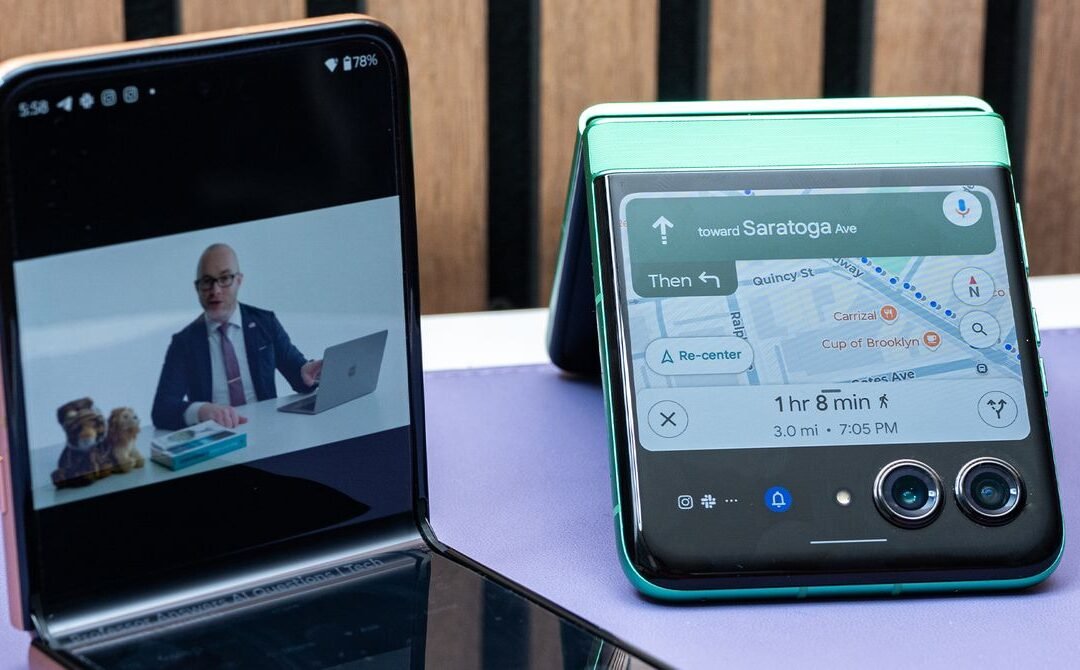
What stood out right away? That massive cover screen. We’re talking a 3.6-inch OLED outer display that isn’t just for show. You can actually use it—really use it—for texting, Spotify, Google Maps, and more. It even supports full apps. I personally caught myself replying to a handful of texts from the cover screen itself. Zero need to flip it open. It’s kind of amazing.
Design That Makes You Look Twice
The Razr Ultra’s build is undeniably premium. You’re looking at polished aluminum edges and Gorilla Glass Victus on the front and back. It feels solid, not flimsy like some foldables I’ve tried before. When it’s closed, the phone has this satisfying, tight snap—no awkward gaps or air pockets. It folds completely flat, which in my opinion, makes it pocket royalty.
I grabbed the “Viva Magenta” color because, come on, how could I not? It’s bold without being over-the-top and has such a striking personality. Motorola nailed it with this one.
Motorola Razr Ultra Features That Actually Make a Difference
We’ve all been burned by flashy features that sound cool in theory but never translate into daily life. Not here. The Motorola Razr Ultra’s features are useful—like, genuinely helpful.
- Cover Screen Utility: Use full apps on the outer screen. It’s perfect for replying to quick messages, checking the weather, or navigating music playlists.
- Flex View: You can position the phone in a semi-folded stance. Great for hands-free selfies, TikToks, or video calls when you want to keep both hands free.
- Personalization: Motorola’s gotten creative here—interactive pets on your cover screen, customizable widgets, playful animations. It feels like your phone, not just any phone.
- Battery Life: With a 3800 mAh battery, it gets you through a solid day unless you’re living completely on YouTube and games. I managed a full 15 hours with moderate use, no stress.
One feature that surprised me was how fast the thing charges. Thanks to 30W wired charging (though you’ll need to buy the brick separately), a quick 15 minutes plugged in gave me nearly 50%. That’s clutch when you’re running late in the morning.
The Foldable Display That’ll Win You Over
Let’s talk about the inside. Unfold it, and boom—you’ve got a gorgeous 6.9-inch pOLED display at your fingertips. The colors pop, the blacks are crazy deep, and the 165Hz refresh rate makes scrolling feel like silk. Whether I was binge-watching Stranger Things or swiping through photos, it never once felt compromised by being a foldable.
And the crease? Yeah, it’s there—but it fades into the background pretty fast. You’ll feel it more than you’ll see it. I was pretty skeptical at first, but honestly, after the first couple days, I just stopped noticing.
Everyday Use: Is the Motorola Razr Ultra Practical?
This is where I get a little emotional. Because friends, I didn’t expect to love this phone as much as I did. The Motorola Razr Ultra brings fun back into using a phone. Between the flip-to-answer feature (yes, like the old days) and the physical act of closing the phone to end a call—there’s something deeply satisfying about it.
I used it for photography on a weekend park walk, and the dual cameras handled everything from sunny landscapes to close-up flower shots with surprising detail. Is it the absolute best camera out there? No. But it’s really good, especially with its stabilization and HDR balance.
The compact form factor really shone during travel. I slipped it into my small crossbody bag, which usually barely fits lip balm and a credit card. With the Razr Ultra folded, no problem. It’s that pocket-friendly.
Stuff That Could Be Better
Now, it’s not all cartwheels and confetti. There are a few nitpicks:
- Price Tag: At around $999, it’s definitely not budget-friendly.
- No charger in the box: Come on, Motorola. If I’m dropping a grand, toss a charger in.
- Dust resistance: While it holds up well, a full IP rating (especially for dust) would’ve added peace of mind.
But honestly? These are trade-offs I can live with for the overall experience I’m getting.
Should You Buy the Motorola Razr Ultra?
Here’s the real talk. If you’re after something different, something that brings personality back to smartphones, the Motorola Razr Ultra is worth every glance.
It’s not just about folding for the novelty—though yes, it’s pretty darn satisfying—it’s about flexibility. The ability to have a compact device that still feels modern and capable. Whether you’re a nostalgic soul, a multitasker, or just someone who wants a phone that brings a little joy into your day, this Razr might just be it.
In a world full of slab phones that all blend together, the Razr Ultra is a swipe in a different direction. It brings attitude, style, and—for the first time in a while—a little bit of magic back to the smartphone game.
And that, to me, makes it pretty special.
by TechNova | May 15, 2025 | Tech Insights
Let me just say it straight: Ubisoft FY24 financials show strong balance sheet results, and yep—it kind of surprised me. Not because I don’t believe in Ubisoft, but because, well, you don’t expect stability when revenue takes a hit. If you’ve been keeping one eye on gaming news like I do while sipping your morning coffee, then you probably heard Ubisoft had a rocky year in some ways. But somehow, despite the bumps, they managed to stay financially strong. Color me intrigued.
Parsing the Numbers: What the Ubisoft FY24 Financials Actually Reveal
If you’re anything like me, financial statements usually make your eyes glaze over. But hang with me; this one’s worth unpacking. The Ubisoft FY24 financials hint at a company that’s not just surviving—but positioning itself for something bigger.
Sure, they posted a drop in revenue: a 14.3% dip year-over-year. That’s not fun to look at. And back-catalog sales (those older titles still pulling weight) also saw a noticeable downturn. But here’s where it gets interesting—Ubisoft still came out the other side with a solid balance sheet. That means the essentials—cash flow, operational stability, debt control—are still well under control. They’re not panicking. They’re planning.
The Elephant in the Room: Delays and Changing Tides
I think we all kind of felt it coming. Titles got delayed. Some games we’d been hyped for were pushed back, and you could feel the community’s deflation from miles away. I remember texting a friend last fall, “Didn’t Skull and Bones have, like, six lives already?” We laughed, but there was something almost endearing about Ubisoft’s commitment to not launching a half-baked project. Risky, yes, but also kind of admirable.
Games like that get a lot of press. But behind the scenes, Ubisoft tightened the reins. They restructured certain teams, shifted development resources, and quietly reinforced their foundation. That’s the kind of stuff that doesn’t make flashy headlines but pays off long term.
How Ubisoft Kept the Balance Sheet Strong in FY24
Let’s take a closer look at how all this panned out. Despite facing what I’d call a “creative bottleneck,” their financials didn’t collapse under pressure. Here’s what helped them stay afloat:
- Cost discipline: They’re watching where the money goes—less spending on lower-performing projects and smarter use of dev resources.
- Digital revenue: A significant chunk of their income comes from digital sales, and that kind of flexibility helps when physical distribution gets tricky.
- Subscription strategy: Ubisoft+ is still growing, and while it hasn’t exploded, it’s a steady trickle of recurring revenue.
- Strategic partnerships: There’s been more collaboration with other studios and platforms, a subtle move that props up visibility without burning big bucks.
All of this creates a kind of internal buffer. It’s like they weatherproofed the business while waiting for bigger projects to land. Personally, I think that kind of foresight deserves a slow clap.
Sparking Momentum: Assassin’s Creed, Star Wars, and What’s Next
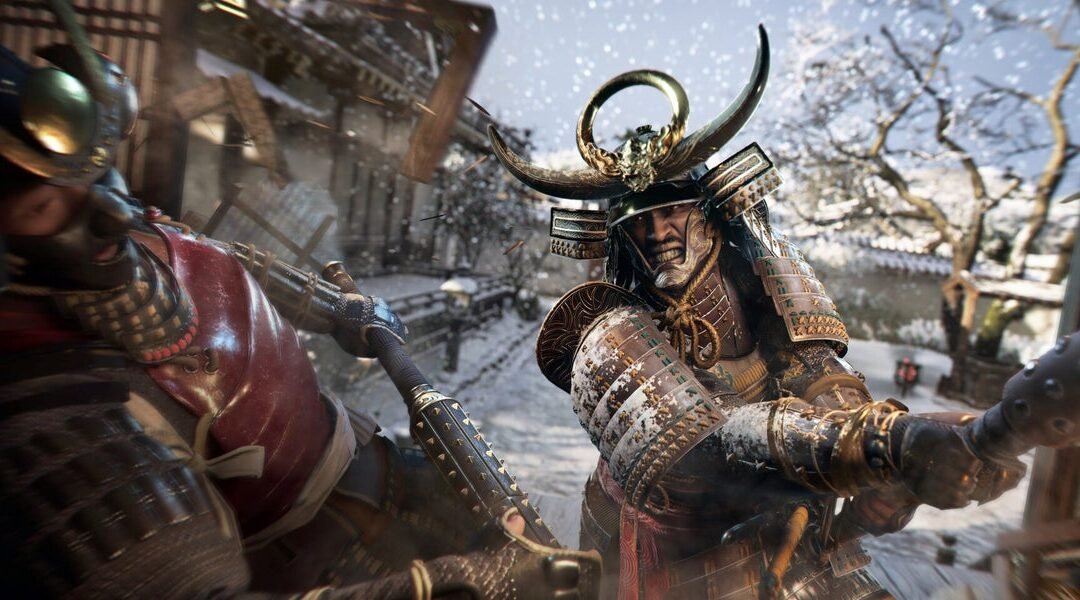
Let’s be real, we’re all hoping to be wowed again by something new and mind-blowing from Ubisoft. And they know that. The report actually teases some heavy-hitters arriving soon—Assassin’s Creed: Shadows comes to mind. They’ve also dipped their toes into the vast galaxy of Star Wars: Outlaws, and I’ve got a feeling that could be a game-changer.
What really resonates with me is that Ubisoft hasn’t burnt out from trying to keep up with every trend. They’re not chasing battle royale ghosts or copying other studios’ homework. Instead, they’re refining. Watching. Then acting.
Why These Ubisoft FY24 Financials Matter to Everyday Gamers
Okay, but what does all this mean for you and me—the players who grew up running through Renaissance rooftops in Assassin’s Creed or got lost for hours in Far Cry’s jungles?
It means we can expect Ubisoft to stick around for the long haul. They’re evolving and staying flexible, even if it’s not all fireworks right now. A strong financial base means more room for creative risks down the line. And honestly, that’s what I’d rather wait for anyway—a polished, exciting game that knows what it is and isn’t rushed out the door.
I also see this as Ubisoft maturing a bit. Like when your reckless friend finally starts budgeting and suddenly seems… grounded. It’s that kind of vibe. They’re still fun, still bold, but they’re learning how to protect themselves from the chaos of the industry.
What Could Make or Break Next Year?
Next year’s numbers might look very different. Why? Because this year was a foundation-building moment. Ubisoft essentially paused the hustle, took a deep breath, and got their house in order. Now, with major releases on deck, the real question becomes: Will it pay off?
- If Assassin’s Creed: Shadows nails the vibe and fan expectations, that could restore major momentum.
- If Star Wars: Outlaws lands with a bang, they’ll attract a whole new wave of fans.
- If multiplayer experiences like XDefiant stay alive and actually build communities, Ubisoft’s digital ecosystem could blossom.
In my opinion? It’s like they’re at the top of the rollercoaster. Teetering. Building potential energy. And maybe—just maybe—they’re about to take us on another wild ride.
Final Thoughts on Ubisoft FY24 Financials and What Lies Ahead
Reading through the Ubisoft FY24 financials felt kind of like flipping through a comeback story still in progress. Far from perfect, yes. But deeply strategic. It’s like that sweet moment between struggle and success—the one you barely notice until it all clicks.
For me as a gamer (and honestly, a bit of a financial nerd), I’m rooting for them. I grew up with this company. My first couch co-op with a best friend? Rayman. First open-world obsession? Assassin’s Creed 2. So seeing Ubisoft play the long game—making smart choices now to secure an exciting future—kind of feels personal.
If you’re wondering whether Ubisoft’s best days are behind or ahead… I’d say they’re still loading. But if this balance sheet is any sign, we’re not even close to Game Over.
by TechNova | May 14, 2025 | Tech Insights
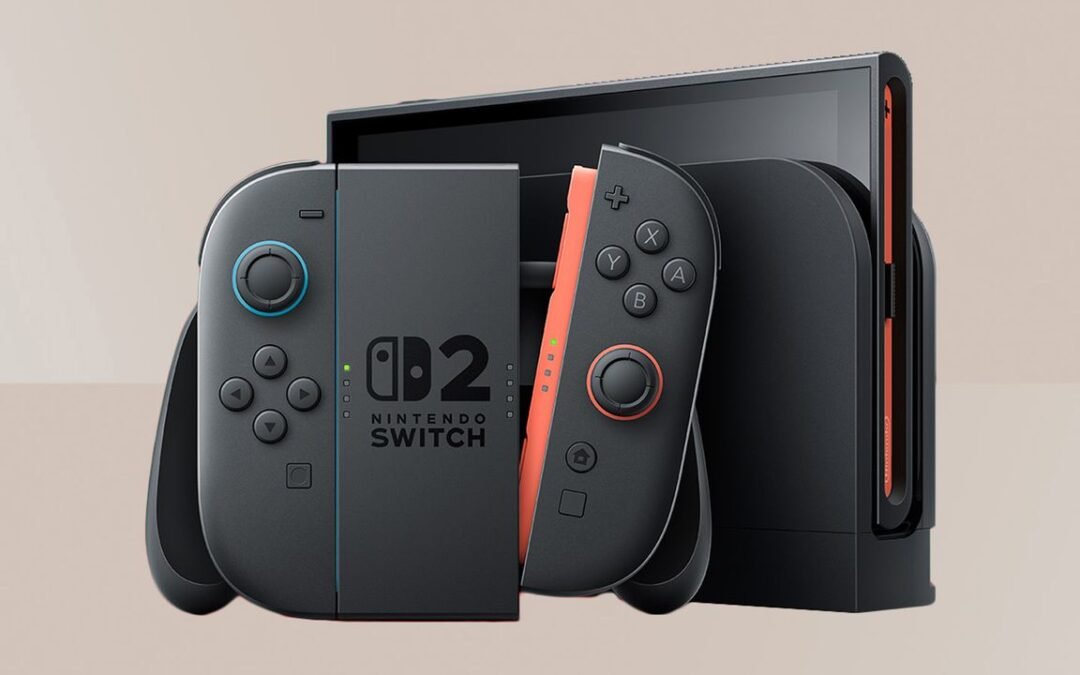
If you’ve been tangled up in the whirlwind of Nintendo Switch Pro vs Switch 2 speculation lately, trust me—you’re not alone. I’ve been glued to every rumor, leak, and whisper like I’m in a mystery novel I can’t put down. The latest twist? Some folks, including the experts at Digital Foundry, are starting to wonder if the elusive Nintendo Switch Pro was never real in the first place—or maybe it quietly evolved into the Switch 2 we’re all anticipating now.
It’s a theory that’s got me raising my eyebrows and squinting at timelines. Did we misunderstand Nintendo’s moves all along? Or was the Pro version scrapped in favor of a true next-gen follow-up?
The Long Road: Nintendo Switch Pro Hype and Confusion
Let’s rewind a bit. The Nintendo Switch Pro rumor mill has been grinding since at least 2020. Every few months, a new report claimed that a beefier, 4K-ready Switch was around the corner. I remember pausing a Mario Kart session just to read a headline that swore the Pro was launching by holiday season. (Spoiler: it didn’t.)
Honestly, I don’t blame us for jumping on the hype train. The base Switch—while still a gem—started showing its age. If you’ve tried playing the more demanding third-party titles, you know what I mean. Frame drops, long loading times, and that not-so-sharp handheld screen sort of reminded us that eight years is a long time in console years.
Many of us assumed Nintendo would bridge the gap with a Pro model. Something like what Sony and Microsoft did with the PS4 Pro and Xbox One X. But… nada.
So Was the Switch Pro Real or Just the Switch 2 in Disguise?
Here’s where things get juicy. According to a recent article, insiders speculate that maybe the much-discussed Switch Pro was never meant to be released. Instead, it might have existed purely as a development stepping stone—pieces of tech tested internally, scrapped, refined, and ultimately folded into what’s now being called the Switch 2.
That honestly makes a lot of sense to me. Nintendo’s never been afraid to play the long game. Rather than tossing out an iterative upgrade, maybe they decided to skip the half-step and go straight to the finish line with a true successor.
I mean, if Nintendo felt the Pro wouldn’t stand out enough or justify its price tag, shelving it in favor of something bolder could’ve been the smarter move.
What the Switch 2 Might Bring to the Table
Okay, wild Pro theories aside, let’s talk about the Switch 2. Based on everything floating around, this next console might actually deliver what we hoped for in the Pro—plus some extra seasoning.
- Improved performance: Rumors suggest a more powerful NVIDIA chipset, giving it PlayStation 4-level performance or better. That could mean smoother gameplay, better AI, and maybe, just maybe, consistent 60 FPS in games like Breath of the Wild 2 (or whatever sequel we’re praying for).
- Dolled-up graphics: There’s talk of support for DLSS upscaling and 4K output when docked. Perfect for those of us who shelled out for giant TVs and want to see Mario in crystal-clear detail.
- Backwards compatibility: This is more hope than confirmed news, but early test kits supposedly ran existing Switch games just fine. If true, that’s a huge nod to longtime Nintendo fans who’ve built up big digital libraries.
- Fancier screen: Will it stick with OLED? Go bigger? We don’t know for sure. But after seeing how buttery-smooth the OLED screen looks, I can’t imagine Nintendo stepping backward.
Is all of this confirmed? Nope. But if even half of it turns out to be true, the Switch 2 could be exactly the jump we were waiting for—without all the confusion that might have come with an in-between Pro model.
Why This Nintendo Switch Pro Puzzle Matters to Fans
So let’s circle back. Why does the whole Nintendo Switch Pro vs Switch 2 speculation matter so much to us die-hard fans?
It’s not just tech specs or resolution count. It’s about trust, timing, and feeling like we’re in the loop with a company we love. When we hear a dozen reports about a Pro version coming, we start making buying decisions—like whether to hold off on a Switch OLED, or save up for the “real” upgrade we think is coming soon.
I remember convincing my cousin not to get the OLED last year because “the Pro’s definitely coming by next spring.” Oops.
With all the back-and-forth, it’s refreshing to just stop and acknowledge what probably happened. Nintendo likely toyed with a Pro behind the scenes but chose a cleaner, more defined future with the Switch 2. It might not give us the instant gratification we expected, but it certainly promises something steadier and more forward-looking.
Let’s Talk Timing: When Will Switch 2 Actually Drop?
If you’re like me, you’ve been scanning holiday calendars and gaming expos trying to guess when we’ll finally get our hands on this thing. The current speculation leans toward an early 2025 launch. Which, yeah, feels far off. But when you think of how long we’ve waited through Pro rumors and missed launches, what’s a few more months?
And hey, if the Switch 2 truly folds all that Pro flavor into one definitive console? It’ll be worth the wait.
Final Thoughts on the Nintendo Switch Pro Mystery
In the grand scheme of games and gadgets, the Nintendo Switch Pro vs Switch 2 debate might feel like splitting hairs. But to me, it’s part of what makes gaming exciting. The rumors, the reveals, the eye-rolls when they don’t come true—it’s all part of the ride.
Now that things are starting to click into place, I see all those Pro whispers as part of a bigger plan. One that’s led us here, standing at the brink of Nintendo’s next leap. Whether or not we ever get a true “Pro,” I’m finally at peace knowing the future’s shaping up to be something special.
And when that Switch 2 finally launches? You better believe I’ll be first in line—waiting with my Joy-Cons strapped, snacks on the counter, and totally ready to play.
