by TechNova | Feb 5, 2025 | Tech Insights
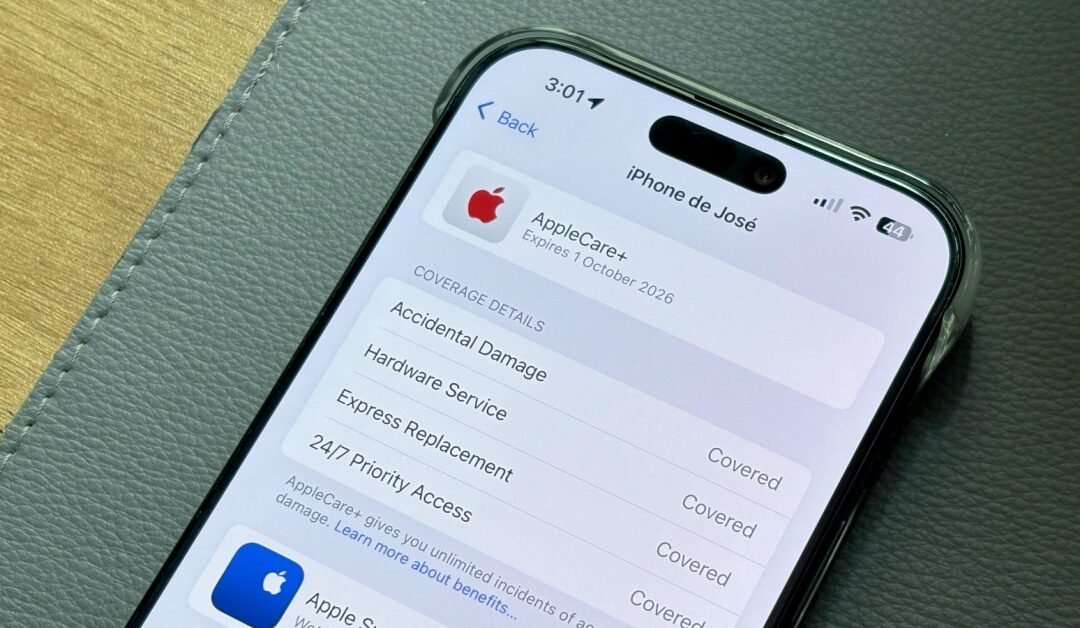
If you’re an iPhone user, you’ve probably considered getting AppleCare+ at some point. Well, buckle up because the AppleCare iPhone price hike and new coverage changes are officially here. If you were on the fence before, this might push you one way or the other. But don’t worry—I’ll break it all down so you know exactly what you’re dealing with.
How Much More Will AppleCare+ Cost for iPhones?
Let’s start with the money talk. AppleCare+ is getting pricier, and it’s not a tiny increase. Depending on your iPhone model, you might be paying anywhere from $10 to $30 more per year. That might not sound huge, but when you spread it out over a couple of years, it adds up. And if you’re already paying monthly, those small increases can sneak up on your budget.
If you’ve recently upgraded to an iPhone 14 or iPhone 15, the new AppleCare iPhone price isn’t something you can avoid if you planned to get extended protection. Here’s what you need to know:
- The more expensive your iPhone, the more expensive AppleCare+ will be.
- Monthly plans have also gone up, not just the lump sum option.
- Higher-end models like the iPhone 15 Pro will see the biggest increase.
So, what does this mean? Well, if you were already stretching your budget to afford AppleCare+, this could push you into reconsidering it. But before deciding, let’s look at what’s changing in terms of coverage.
What’s Changing in AppleCare+ Coverage?
Now, onto the good news—because it’s not all bad. Apple is actually expanding coverage in ways that some users will find helpful. One of the biggest changes? AppleCare+ now includes coverage for lost or stolen devices—but only if you opt for the Plus with Theft and Loss plan.
This means if you tend to misplace your phone (or have terrible luck with theft), you’ll have an extra safety net. Before, if your iPhone was lost or stolen, you’d be out of luck unless you had specific insurance from your carrier.
Here’s a snapshot of what’s included now:
- Accidental damage still covered (drops, cracks, spills—life happens, and Apple knows it).
- Battery service if it drops below 80% health.
- Now includes theft and loss coverage (but with a deductible).
- Unlimited repairs for accidental damage (this one is huge).
That last bullet point is a big deal. Previously, you only got a limited number of incidents covered, but now, if you’re accident-prone, you won’t have to ration your repairs.
Is AppleCare+ Still Worth It?
Alright, let’s talk about the big question: Is AppleCare+ worth the new price? The answer really depends on how you use your phone and how careful you are. If you’re someone who has never cracked a screen, you might feel fine skipping out. But if you’ve had a few close calls (or straight-up disasters), paying a little extra might save you more in the long run.
Here’s how I personally think about it:
- If you upgrade yearly, you might not need it—it’s a short investment period.
- If you keep your iPhone for 3–4 years, then AppleCare+ starts making more sense.
- Frequent travelers or people using their phone for work should definitely consider it.
- If you’re clumsy and have a history of accidents, don’t even think twice—get it.
Weighing the cost of recurring payments against a potential $300 screen repair isn’t fun, but that’s the reality. If paying upfront now means avoiding a massive unexpected bill later, it might be the smarter play.
How to Decide Whether to Buy AppleCare+?
Let’s say you’re still unsure. Here’s what I’d do: Ask yourself how often you’ve needed repairs in the past. If you’ve paid out of pocket for a screen replacement at least once in the last two years, AppleCare+ could very well be worth it.
Also, check if you have coverage through other means—maybe your credit card offers purchase protection, or your carrier has a decent insurance plan already bundled in. No sense in paying for overlapping benefits!
Another thing to consider is resale value. An iPhone that’s been covered under AppleCare+ might retain more value when you sell it, since buyers will see it as well-maintained. If you’re someone who resells and upgrades often, this could put extra money back in your pocket down the road.
Final Thoughts on the AppleCare iPhone Price Changes
So, is the AppleCare iPhone price hike a dealbreaker? Not necessarily. It stings a little, sure, but Apple’s adding more value to the plan, even if it comes at a higher cost. If you’re someone who tends to drop their phone (or just has ridiculously bad luck), this update isn’t all bad news.
That said, if you’re careful with your devices and don’t mind taking the risk, you could skip AppleCare+ and save some cash. Either way, the most important thing is making an informed decision. Hopefully, this breakdown helped you figure out whether AppleCare+ is still the right move for your iPhone and your budget.
So, what do you think? Are you sticking with AppleCare+ despite the price hike or taking your chances without it?

by TechNova | Feb 4, 2025 | Tech Insights
The Boeing Starliner Program is facing an eye-watering setback—$2 billion in losses, to be exact. This ambitious project, meant to give NASA another ride to the International Space Station (ISS), has been riddled with delays, technical issues, and a price tag that keeps climbing. If you’ve been following the journey of Starliner, you know it hasn’t been smooth sailing… or, in this case, smooth spacefaring.
What’s Going on With the Boeing Starliner Program?
Boeing set out to create a reliable crew spacecraft, but things haven’t gone as planned. The Starliner program initially looked like the perfect complement to SpaceX’s Crew Dragon. After all, NASA didn’t want to rely on a single company to ferry astronauts to the ISS. But over the years, design flaws, test failures, and costly fixes have turned what should’ve been a dependable spacecraft into a serious financial burden.
Now, with losses tallying up to $2 billion, one has to wonder—how did it get to this point? And more importantly, what does this mean for the future of Boeing and NASA?
The Price of Space Exploration
Space travel is expensive. That’s no secret. But even for an industry where billion-dollar budgets aren’t uncommon, Boeing’s Starliner losses stand out. There were high hopes when Boeing secured its NASA contract, competing against Elon Musk’s SpaceX. The idea was simple: two companies, two spacecraft, providing redundancy and flexibility for U.S. space travel.
But while SpaceX has been flying operational missions for years, Boeing is still dealing with issues before Starliner can prove itself. Several failed test missions and mechanical problems have forced repeated redesigns, further ballooning costs. What started as an exciting new project has turned into a financial drain.
Why Is the Boeing Starliner Program Struggling?
Boeing isn’t new to spaceflight. This is a company with decades of experience building rockets and spacecraft. So why is the Starliner having such a hard time?
- Software Failures: One early test flight nearly ended in disaster due to software malfunctions that made Starliner miss its intended orbit.
- Hardware Issues: Valve problems and parachute concerns forced Boeing to postpone key test flights.
- Rework and Delays: Every flaw detected means time and money spent fixing it. The more issues surfaced, the further down the timeline Starliner slipped.
- Competition Pressure: While Boeing has been troubleshooting, SpaceX’s Crew Dragon has flown multiple missions, proving its reliability and making Starliner seem redundant.
Imagine you spent years building a dream car, only to have it constantly break down at the worst moments. That’s what Boeing is dealing with—except their dream car is a spaceship, and the breakdowns cost billions.
What Does This Mean for NASA?
NASA wanted two commercial crew spacecraft to avoid reliance on SpaceX alone. But with Boeing struggling, that backup plan isn’t looking as strong. Starliner was supposed to be flying operational missions by now, yet every delay makes NASA question whether Boeing can deliver.
It also impacts future contracts. NASA isn’t just picking partners for today; they’re thinking about missions to the Moon, Mars, and beyond. If Boeing can’t get Starliner off the ground reliably, will they be trusted with more ambitious projects?
Can Boeing Turn Things Around?
If history tells us anything, it’s that Boeing doesn’t give up easily. The company has deep pockets, decades of aerospace experience, and a strong incentive to make Starliner succeed. They can’t afford another failure—not just financially, but for their reputation in spaceflight.
There’s also the NASA partnership to consider. The space agency still wants this to work, so Boeing isn’t completely on its own. The question is, how much longer can Boeing sustain these losses before considering if Starliner is worth the effort?
The Bigger Picture for Space Exploration
Boeing isn’t the only player in the space race. Private companies are pushing the boundaries of what’s possible, governments are investing in next-gen space technology, and the idea of human missions to Mars is becoming less of a sci-fi dream and more of a real goal.
So where does Boeing fit in? Despite current setbacks, Starliner still has potential. If Boeing manages to fix its issues and prove reliability, it could still play a vital role in space travel. But right now, the company is in a tough spot, and the pressure is higher than ever.
Final Thoughts
Spaceflight isn’t easy. Boeing’s been learning that the hard way with Starliner. The $2 billion setback is a painful dent in their budget, but it doesn’t have to be the end of the road. The real question is whether Starliner will eventually soar or remain a cautionary tale of space exploration gone wrong.
What do you think? Should Boeing keep pushing forward, or is it time to cut their losses? Space is tough, but sometimes, the toughest challenges lead to the biggest breakthroughs.

by TechNova | Feb 4, 2025 | Tech Insights
The Apple Porn App Tariff Controversy has got people talking, and for good reason. If you haven’t heard, Apple is adjusting the way it charges app developers in Europe, particularly those offering adult content. This change isn’t just about money—it’s about power, politics, and how companies respond to government pressure. And let’s be honest, when Apple makes a move, the whole tech world pays attention.
What’s Going On With Apple and Porn Apps?
If you’re wondering why Apple is suddenly tightening its grip on adult content apps, you’re not alone. Essentially, new European regulations require Apple to allow alternative app stores and payment methods. While this sounds great for developers and users, Apple isn’t making it easy. They’ve introduced new fees, some of which specifically target apps dealing in adult content.
Now, here’s where things get spicy. The adjustments mean that some porn-related apps will face higher costs to remain on the App Store—while mainstream apps might not see as big of an impact. Apple justifies these changes by pointing to security concerns and the need to monitor sensitive content. But critics argue it’s a clever way for Apple to maintain control and rake in cash, even as regulations try to loosen its grip.
Are These Just Business Fees, or Is There Something Bigger Happening?
On the surface, it might seem like Apple is just making sure they still profit from their platform. But there’s more to it. Some believe this is a reaction to broader political and economic tensions, including past trade battles between the U.S. and Europe. Remember when the U.S. imposed tariffs under the Trump administration? Tech companies like Apple are still dealing with the fallout, and this could be one way to balance the books.
Beyond politics, Apple has always been strict about adult content. Unlike Android, which allows alternative app stores without much fuss, Apple has a curated ecosystem. That’s a fancy way of saying Apple decides what stays and what goes. So, when the company says it’s imposing extra fees for security reasons, many see it as another way to keep adult content at arm’s length—without outright banning it.
How Does This Affect Users and Adult App Developers?
If you’re a regular user, you might not notice much at first. But if you use certain apps that rely on alternative payment methods, you could see higher prices. Developers, on the other hand, face a tougher situation. Many adult app creators already deal with restrictions from advertising platforms, social media bans, and payment processing hurdles. Now, with Apple’s new fee structure, these challenges just got even bigger.
Some developers might consider pulling their apps from the Apple ecosystem altogether. Others may pass increased fees onto the users. Either way, it’s likely that access to adult content on iOS will become more complicated—or at least more expensive.
What Happens Next?
Apple is known for sticking to its decisions, even when controversy erupts. But this situation is still evolving. The European Union is closely watching how Apple responds to new regulations. If lawmakers decide these fees unfairly target a specific industry, Apple might face further scrutiny.
Meanwhile, users and developers have choices. While Apple’s control over its ecosystem is strong, alternative platforms and workarounds continue to emerge. And as more people demand open digital marketplaces, we could see further pushback against Apple’s control over apps—adult or otherwise.
The Bigger Picture
The Apple Porn App controversy isn’t just about one category of apps—it’s about who gets to control digital commerce. It highlights the tension between companies, governments, and the people who actually use these services. Whether you’re a developer, a tech enthusiast, or just someone who enjoys a free internet, this debate matters.
So, what do you think? Is Apple protecting users, or just protecting its profits? One thing’s for sure: this story isn’t over yet.
by TechNova | Feb 4, 2025 | Tech Insights
Well, well, well—looks like Apple’s got a surprise up its sleeve, and we kind of ruined it. News just dropped that the Apple iCloud Invites Feature Leaked Before Official Launch, and honestly, this could be a game-changer for how we share and collaborate in iCloud. If you’ve ever fumbled through sharing an iCloud folder or wished Apple would make it as seamless as Google Drive or Dropbox—this might be exactly what you’ve been waiting for.
What Exactly Was Leaked?
So, here’s the scoop. The Apple iCloud Invites Feature Leaked Before Official Launch thanks to an apparent early rollout spotted by sharp-eyed users. While Apple hasn’t made any official announcements yet, leaked details suggest that this new feature will make it easier (and hopefully less frustrating) to invite people to collaborate on iCloud files and folders.
If you’ve ever tried sharing something through iCloud, you know it’s been a bit of a hit-or-miss experience. Sometimes, links don’t work as expected or permissions get confusing. But this new feature looks like it will streamline the entire process, making it more intuitive—probably similar to what we see in Google Drive. That’s a big deal because, let’s be honest, Apple’s ecosystem is fantastic… until you need to share something outside of it.
How Will Apple iCloud Invites Work?
From what’s been revealed so far, this feature will allow users to more easily send invites to access shared documents, photos, or entire folders in iCloud. Here’s what we’re expecting:
- More intuitive sharing: Instead of the sometimes clunky way iCloud sharing works right now, invites may allow direct user access within Apple’s ecosystem.
- Better permission controls: You might be able to set specific user roles, like “view only” or “edit,” as you would in Google Drive or OneDrive.
- Improved notifications: Users could receive real-time updates when they’re added to a shared file.
Now, Apple hasn’t confirmed all these details yet, but based on how Apple tends to refine its features, these would make a lot of sense. It’s likely that they’re aiming for a smoother, more modern collaboration experience—one that keeps you inside the Apple ecosystem longer.
Why Does This Matter?
If you’re someone who frequently uses iCloud for work or personal projects, this change could make a world of difference. We’ve all had those moments where a shared link refuses to cooperate, or someone on the receiving end can’t open a file. The frustration is real. A streamlined invite system would mean less explaining and troubleshooting—and more getting things done.
Beyond that, this could also signal Apple’s growing commitment to making its cloud services more competitive. While iCloud works seamlessly for backups and syncing, it’s never quite felt like a true rival to Google Drive or Dropbox when it comes to file sharing and collaboration. That might be changing with this update.
How Apple iCloud Invites Compare to Other Services
Let’s be honest—Apple has been playing catch-up when it comes to cloud file-sharing. Google Drive, Dropbox, and Microsoft OneDrive have been leaders in this space for years. So how will Apple’s new invite system stack up?
- Google Drive: Offers seamless sharing with permissions, real-time collaboration, and integration with Google Docs. Apple might be aiming to match this ease of use.
- Dropbox: Known for its fast syncing, Dropbox has always been a favorite for teams. Apple’s new invite system could reduce the need for external cloud storage.
- OneDrive: Works flawlessly with Microsoft Office. Apple’s approach with iCloud invites may attempt to bring a similar experience for Pages, Numbers, and Keynote.
So, will it be enough to make die-hard Google Drive users switch to iCloud for collaboration? Maybe. If Apple gets it right, this could help draw more people into its ecosystem—including businesses that have traditionally relied on other cloud services.
Is This Feature Coming Soon?
Now that Apple iCloud Invites Feature Leaked Before Official Launch, the big question is—when will Apple actually roll it out? There’s no official release date yet, but considering it’s already popping up for some users, it’s likely we’ll see a formal announcement in the near future. Could it be tucked into the next iOS or macOS update? Seems likely.
Apple tends to slowly introduce features like this to select users before dropping a wider release. So, if you aren’t seeing it yet, don’t worry—it’s probably on the way.
Final Thoughts: A Small Change with Big Impact
Okay, so this might not be the flashiest Apple feature ever, but it’s one of those small yet impactful updates that could make life a lot easier. If you’re an Apple user who’s been frustrated with iCloud’s clunky sharing process, this could be the fix you’ve been waiting for.
Will this make iCloud a true competitor to Google Drive or Dropbox? It depends on how well Apple implements it. But one thing’s for sure—Apple has finally realized that seamless file sharing is a must-have in today’s digital world.
What do you think? Will this change the way you use iCloud, or are you sticking with your tried-and-true Google Drive or Dropbox? Let’s chat about it!
by TechNova | Feb 4, 2025 | Tech Insights
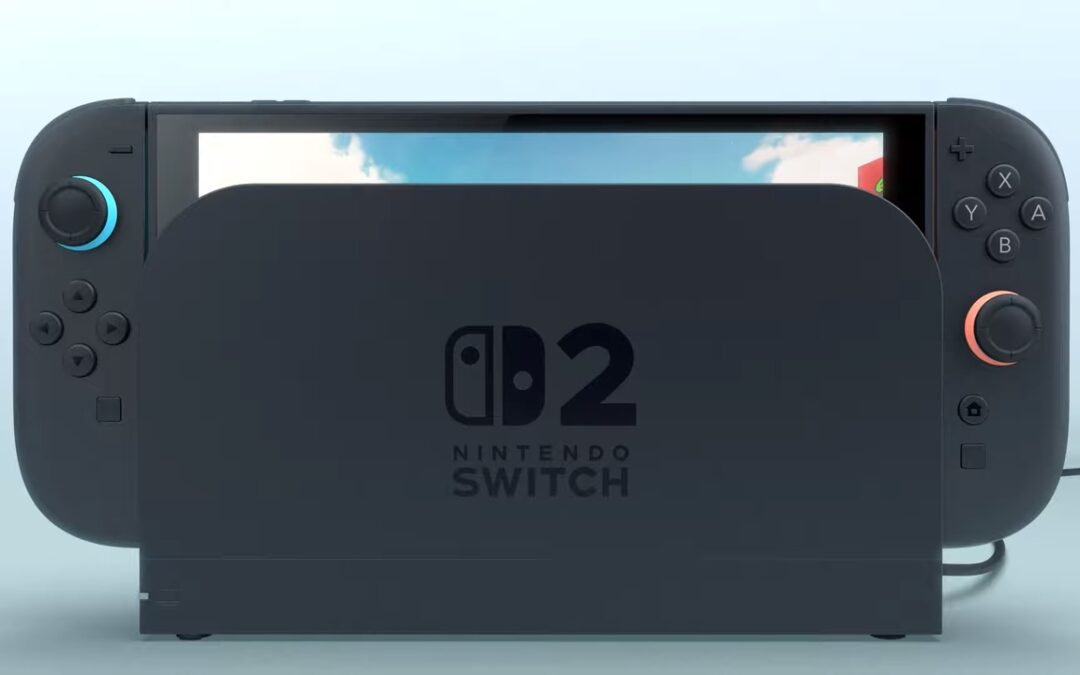
Let’s talk about something that’s equally exciting and frustrating: the launch of a highly anticipated console. The announcement of the Nintendo Switch 2 has a lot of us gamers buzzing, but we all know what comes next—scalpers swooping in like opportunistic vultures. You’ve seen it before, right? A new console drops, and in mere seconds, it’s sold out. Minutes later, your social media feed is flooded with listings for double or triple the retail price. That’s why the news of “Nintendo Switch 2 Scalper Prevention Measures Explained” actually feels like a breath of fresh air. Nintendo finally seems serious about tackling this problem, and honestly? It’s about time.
Nintendo Switch 2 Scalper Prevention Measures Explained: What’s the Plan?
So, what exactly is Nintendo doing to stop scalpers from cornering the market on the Switch 2? According to official statements, they’re pulling out all the stops. While the nitty-gritty details are being kept under wraps (no surprise there), we do know they’re implementing several proactive measures to ensure these consoles land in the hands of actual fans rather than resellers. And let’s face it, this is a big deal. Scalping isn’t just annoying; it creates a huge barrier for everyday gamers who are just trying to enjoy the hobby without having to remortgage their house to get the hottest tech.
Here’s the gist: Nintendo is working closely with retailers to tackle bots—the sneaky software scalpers use to buy up stock instantly—and tightening up purchasing controls. They’ve even hinted at rolling out verification systems to ensure people can only buy a limited number of consoles per account. I know what you’re thinking: will this work? Honestly, I’m cautiously optimistic. But one thing’s for sure—it’s way better than companies turning a blind eye to the problem altogether.
Why Scalping Is a Gamer’s Worst Nightmare
Alright, imagine this: you’ve been following every rumor and update about the Nintendo Switch 2 for months. You even set an alarm for pre-orders to go live. But as soon as you click “Buy Now,” the console is already gone. It’s heartbreaking, isn’t it? This is the reality so many of us faced with the PS5, Xbox Series X, and even the original Nintendo Switch back in 2017. It’s like watching your favorite band’s concert tickets disappear in milliseconds, only to see them magically reappear on resale sites for triple the price. Infuriating, right?
Scalping not only drives up prices but also forces people to make tough choices—cave in to absurd markups or miss out altogether. It’s a toxic cycle that makes a lot of folks feel excluded from gaming, especially younger players or those on a tight budget. That’s why the idea of companies taking a stand against scalpers feels like a win for all of us. Gaming should be accessible, not something where only the richest players survive.
How Scalpers Operate: The Anatomy of the Problem
To really understand why this problem keeps happening, you’ve got to know how scalpers work. Most don’t waste time manually adding an item to their cart and checking out like the rest of us. Nope, they use bots—automated programs designed to blitz through captcha systems, snag stock the instant it goes live, and complete transactions faster than any human could dream of. It’s not a fair fight.
On top of that, these resellers know the demand for new consoles is sky-high, so they take advantage of FOMO (fear of missing out). They prey on people’s patience—or lack of it—knowing someone desperate enough will cough up $800 for a $400 console. It’s gross, but hey, it’s a hustle that works. That’s why tackling the bot problem is one of Nintendo’s main priorities for the Switch 2 launch.
Can Nintendo Actually Beat Scalpers This Time?
Here’s the million-dollar question: will Nintendo’s efforts be enough? Honestly, there’s no perfect solution. Scalpers are crafty, and their tech evolves quickly. But there’s reason to have hope. By working directly with retailers and cracking down on bot usage, Nintendo is at least addressing the root of the problem. Plus, setting purchase limits per customer is a smart way to make it harder for scalpers to buy in bulk.
Another measure that could help? Advanced registration systems. You know, the kind where you have to sign up with an account and get pre-approved to buy a console. This kind of “lottery” system, while not foolproof, has been used successfully in other industries to give real fans a fair shot. Sure, it requires a bit of effort on the buyer’s end, but if it means outsmarting scalpers, I’ll do it in a heartbeat.
What You Can Do to Get a Switch 2 Without Overpaying
Let’s be real: even with all these measures, getting your hands on big-ticket items like the Nintendo Switch 2 is still going to take some effort. So, what can you do to boost your chances without resorting to price-gouging resellers? Here are a few tips:
- Sign up for alerts: Get notified the moment pre-orders go live. Being fast is half the battle.
- Create accounts in advance: Make sure your info is saved so you don’t waste time during checkout.
- Use multiple devices: Have a backup plan with your phone, tablet, or even a friend helping out.
- Stay patient: Don’t fall for scalpers. New stock will eventually become available.
And hey, if Nintendo’s scalper prevention measures work as intended, you won’t need anything beyond a little patience and some quick fingers. Fingers crossed, right?
Why This Matters for the Future of Gaming
At the end of the day, this isn’t just about the Nintendo Switch 2—it’s about what scalper prevention means for gaming as a whole. If companies like Nintendo can set a new standard for handling launches, it sends a clear message: reselling isn’t going to cut it anymore. That’s good news for gamers everywhere. It means fairer access, less frustration, and a chance for everyone to experience the next big thing without breaking the bank. And isn’t that what gaming is supposed to be about? Connecting, sharing, and having fun.
So, here’s hoping Nintendo’s plan works. Because honestly, knowing they’re actively trying to put gamers first makes me even more excited to get my hands on a Switch 2. And if it means we can finally stop rewarding scalpers? Well, that’s a win all on its own.
by TechNova | Feb 4, 2025 | Tech Insights
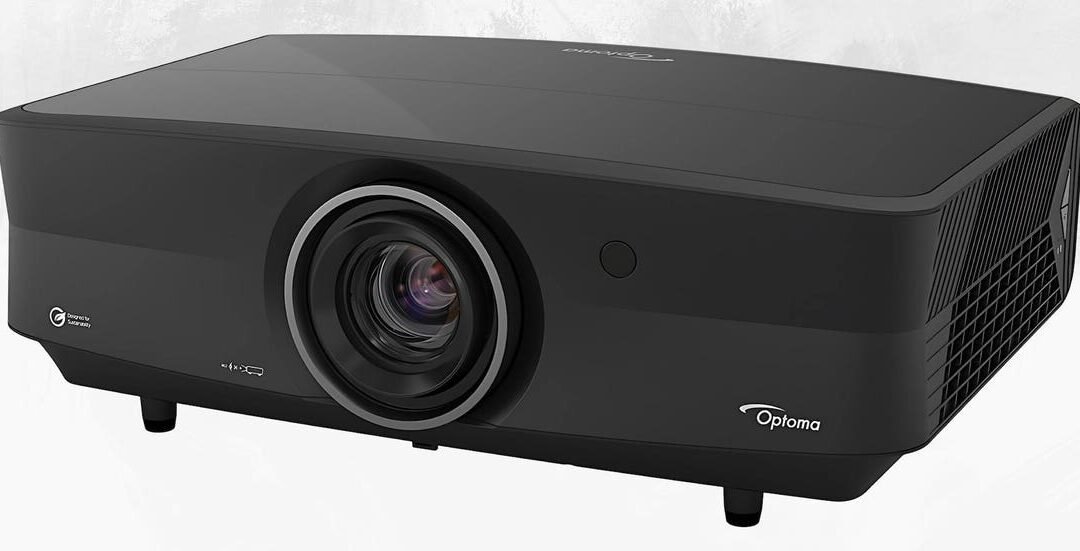
When the Optoma 4K Laser Projector Debuts With HDR Support, home cinema fans have reason to get excited. A 4K laser projector with universal HDR support? That’s the kind of upgrade we love to see. If you’re the type who craves rich colors, deep contrast, and ultra-sharp resolution, this projector might be calling your name.
Why the Optoma 4K Laser Projector Debuts With HDR Support Matters
Let’s be real—once you’ve experienced movies on a big screen with stunning detail, it’s tough to go back to anything less. That’s why this projector is shaking things up. Optoma isn’t new to the game, but this time they’ve packed in some serious features.
This model not only boasts crisp 4K resolution but also handles HDR formats like a pro. Whether you’re streaming an action-packed blockbuster or gaming on the latest console, you’re going to get vibrant colors and inky blacks that make everything feel more immersive.
What Sets This Projector Apart?
There are plenty of 4K projectors out there, but not all are created equal. Here’s what makes this one stand out:
- Laser Light Source: Unlike traditional lamp-based projectors, this one uses a laser. That means longer lifespan, better brightness, and no more worrying about replacing bulbs.
- True 4K resolution: Some projectors use pixel-shifting tricks to “fake” 4K. Not this one. You’re getting authentic, razor-sharp detail.
- Universal HDR Support: Whether it’s HDR10, HLG, or Dolby Vision, this projector can handle it. No need to check whether your favorite content is compatible—it just works.
- Superb Contrast: HDR isn’t just about brighter highlights; it’s about deeper blacks. And this projector nails it.
- Low Latency for Gaming: If you’re into gaming, you’ll love the reduced input lag. No more frustrating delays when you’re deep in the action.
How Does It Compare to Previous Models?
If you’ve owned an Optoma projector before, you might be wondering, “Is this a big enough leap to justify the upgrade?” Short answer: Yes.
Past models have been solid performers, but this time around, you’re getting noticeable improvements, especially when it comes to HDR performance and brightness. Dark scenes will no longer look washed out, and bright scenes pop with more intensity. The universal HDR support also ensures you won’t run into compatibility headaches.
A Cinema-Quality Experience at Home
Think about the last time you went to the theater. Maybe you marveled at how vibrant everything looked. That’s exactly what this projector aims to bring into your living room. No cheap imitations—just that smooth, polished image that makes every frame look alive.
Who Should Buy This Projector?
Not every projector is for everyone. This one is ideal if you:
- Love movie nights and want a true home theater experience.
- Enjoy gaming and need low latency for smooth gameplay.
- Value HDR support and don’t want to compromise on picture quality.
- Prefer a maintenance-free projector (goodbye, bulb replacements!).
- Want something future-proof that’ll be great for years to come.
Who Might Want to Look Elsewhere?
If you’re looking for a budget-friendly option, a high-end laser projector might be overkill. There are still solid 4K projectors with traditional lamp-based setups that offer decent quality for less. But if you want top-tier performance, this one is worth considering.
Is It Worth the Upgrade?
Here’s the thing—no product is perfect, but this one comes close. If you’ve been waiting for a home theater upgrade, this projector delivers in all the right ways. You get sharp 4K resolution, improved brightness, and a more immersive viewing experience.
And honestly, once you see a movie on a laser 4K projector with excellent HDR support, it’s hard to go back. Your TV won’t cut it anymore. But don’t take my word for it—see this thing in action, and you’ll understand why the Optoma 4K Laser Projector Debuts With HDR Support is making waves in the home cinema world.
