by TechNova | Feb 4, 2025 | Tech Insights
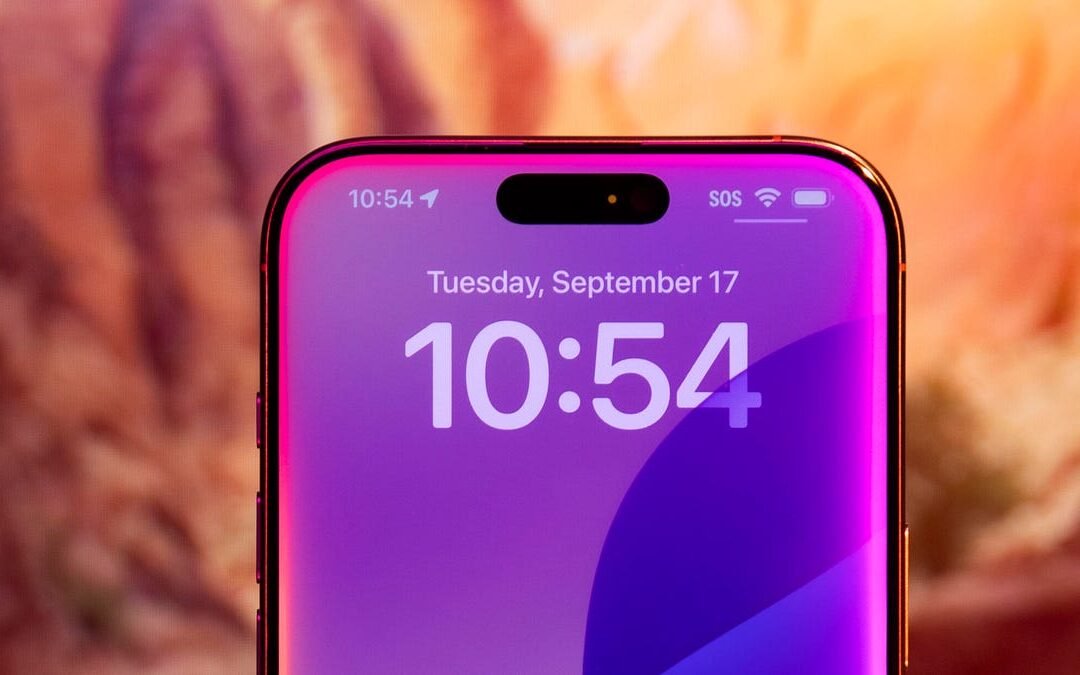
So, you’ve updated to iOS 18, expecting some exciting new Siri features—but instead, you’re left scratching your head, wondering, “iOS 18 Siri Update Missing? Why Your iPhone Lacks Features.” Trust me, you’re not alone. It’s frustrating when you’re eager to try out a cool upgrade, only to find that things aren’t working as advertised. Let’s dig in and figure out what’s going on, so you’re not left feeling like your iPhone got the short end of the stick.
Why Does It Feel Like Siri Is Stuck in the Past?
If your iOS 18 feels more like iOS 16.5 in terms of Siri’s abilities, there are a few potential reasons why those promised enhancements seem to be missing in action. The good news? Most issues are likely tied to compatibility or settings rather than a total system failure. So, take a deep breath—we’ve got some answers here.
First off, let’s talk hardware. Not every iPhone can handle the demands of the latest Siri features. I know, it’s not what you want to hear, but Apple’s upgrades are sometimes built with their newest devices in mind. For example, some iOS machine-learning capabilities need newer processors to truly shine. If you’re rocking an iPhone X or even an XR, you might find yourself missing out on the flashiest updates simply because your device can’t support them.
And then there’s the sneaky culprit: settings. If Siri didn’t update the way you thought it would, a lot could hinge on how your iPhone is set up. Has it been ages since you refreshed your Siri preferences? Are you running out-of-date region settings that limit which features are available in your country? Sometimes, all it takes is a quick dive into your phone’s settings menu to unlock what’s been hiding in plain sight.
iOS 18 Siri Update Missing? Why Certain Features Are Locked to Specific Models
Here’s the cold, hard truth: Apple doesn’t roll out every single update to every single device. It stinks—it really does—but it makes sense in their quest to prioritize functionality over chaos. If you’re sporting an iPhone 11 or older, you might notice Siri’s upgrades arriving in a watered-down version. Those sweet, futuristic tools like on-device processing or advanced conversational capabilities? Yep, often reserved for the newer models.
I remember when my trusty iPhone 8 couldn’t keep up with iOS 15’s live text feature. It was a bummer at the time, but it taught me an Apple lesson: new software gets better the closer your phone is to the newest tech Apple’s rolled out. So, part of your Siri frustration could come down to something as simple as hardware aging gracefully… or not so gracefully.
Can You Fix Your Siri Woes Without Getting a New iPhone?
Look, no one wants to drop serious cash on a brand-new iPhone just because their Siri feels a little outdated, right? Fortunately, there are some steps you can take to troubleshoot before committing to anything drastic. Here’s where I’d recommend starting if you suspect something’s off:
- Double-check your software update: Did the iOS 18 update fully install? Sometimes updates get interrupted or corrupted along the way, leaving you with only part of what’s supposed to be there. Go to Settings > General > Software Update and ensure you’re up to date.
- Review Siri settings: Go into Settings > Siri and Search and take a closer look. Are all the latest settings enabled? Features like “Listen for ‘Hey Siri’” or language-specific enhancements might need to be turned on manually.
- Reset Siri entirely: If you suspect your virtual assistant is being stubborn, disable Siri, restart your phone, and then re-enable it. Sometimes, it’s the little things that make a big difference.
- Region matters: Don’t overlook this one! iOS features often roll out by region, and Siri is no exception. Make sure your phone is set to a supported region for iOS 18’s most advanced features.
If you’ve tried everything and Siri still feels behind the times, it might be time to level-set expectations with your current iPhone model or—dare I say—start thinking about an upgrade in the future.
iOS 18 Siri Update Missing? Why Patience Might Be the Answer
Now, if you’re positive your iPhone is compatible with all the iOS 18 features but they’re still not showing up, don’t toss your phone in frustration just yet. Apple is notorious for staggered feature rollouts. Updates promised in the iOS 18 announcement might not go live for all users immediately. Sometimes, you’ve just got to wait for the next incremental update—iOS 18.1, 18.2, or beyond—for certain Siri abilities to fully arrive.
I’ve been there, refreshing my Settings page like a superfan trying to snag concert tickets. It’s frustrating, but patience often pays off when it comes to Apple updates. If you’re willing to wait, those missing features might show up in the next few weeks or months.
Should You Upgrade Your iPhone for Siri?
Let’s be real—this is ultimately the question many iPhone users face when software updates seem disappointing. Is it worth upgrading to a newer model just for better Siri? Well, that depends.
If you rely heavily on Siri for hands-free tasks—like controlling smart home gadgets, crafting detailed reminders, or dictating texts—the updates in iOS 18 (when fully functional) might make a big difference in your daily workflow. On the other hand, if Siri’s just your go-to for occasional timers or quick weather checks, you might not feel the need to rush into upgrading just yet. Weigh how much you truly use Siri against the cost of getting a newer model.
From my personal experience, I find that squeezing one more year out of my iPhone before upgrading can sometimes feel just as satisfying as finally unboxing a shiny new device.
Final Thoughts
So, where does this leave you if you’re wondering, “iOS 18 Siri Update Missing? Why your iPhone lacks features”? The answer isn’t always straightforward, but it often comes down to hardware compatibility, settings tweaks, or Apple’s staggered rollout strategy. Don’t let a temporary tech hiccup get you down, though. Whether you’re rebooting Siri, refreshing your settings, or simply riding out the update wave, there’s hope for getting the most out of your iPhone—no matter what Siri challenges you’re facing.
At the end of the day, technology is always about balance. If your iPhone’s working well for you overall, don’t let a few absent Siri tricks ruin the experience. And if it’s time to upgrade, you’ll know—your iPhone will tell you, loud and clear, when it’s ready for retirement. Until then, give Siri a nudge, do some troubleshooting, and keep navigating that iOS 18 world one step at a time. You’ve got this.

by TechNova | Feb 4, 2025 | Tech Insights
Have you ever stared at a legal contract, utterly lost in the sea of jargon? It happens to the best of us. That’s why I got ridiculously excited when I heard, “Acrobat AI Assistant Reviews Contracts with Ease.” Yes, Adobe just made the fine-print nightmare way less scary. Their newest AI-driven feature for Acrobat is here to make quick, reliable sense of contracts, and I’ll be honest—it feels like a total game-changer. Whether you’re signing a rental agreement, managing business deals, or simply wondering what on earth you’re agreeing to, this little assistant might just be your new best friend.
How Acrobat AI Assistant Reviews Contracts with Ease
Let’s cut to the chase—what makes this feature so special? The idea is simple: Adobe wants to eliminate the headache of understanding complex documents. With Acrobat AI Assistant, you can upload a contract or any document, and it’ll break things down for you in seconds. No more Googling terms or feeling low-key intimidated by legal language.
The AI assistant analyzes key details, like dates, clauses, missing information, and even potential risks. For example, if a liability clause is super one-sided, it’ll flag that, so you know what’s up before you sign. How cool is that? It’s kind of like having a friendly legal assistant sitting beside you, whispering, “Hey, you might want to double-check this part.” Honestly, I wish this existed years ago when I blindly signed my first lease—rookie mistake, I know!
Who Benefits the Most When Acrobat AI Assistant Reviews Contracts with Ease
This tool seems tailor-made for specific groups of people:
- Small business owners: If you’re a freelancer or running your own shop, you’re likely juggling multiple legal agreements. This feature can highlight payment terms or exclusivity clauses, so you know exactly what you’re committing to.
- Everyday renters or buyers: Signing a lease or buying a home? Acrobat’s AI can simplify the fine print so you don’t miss anything important, like hidden fees or rules. Trust me—this could save you from future headaches!
- Legal teams: Even lawyers, bless them, get stuck in tedious details. Using AI for initial reviews can help them focus on what truly matters.
But honestly, I think anyone who deals with contracts—so, basically all of us—could benefit. I know I’m already planning to use it for my next big purchase. Is it weird to feel genuinely excited about contract reviews? Maybe. But here we are.
The Simplicity of Using Acrobat AI Assistant
Okay, let’s talk about how easy this is to use. You don’t need any fancy setup or to be super tech-savvy. Just open Adobe Acrobat, upload your contract, and let the AI do its magic. Within moments, you’ll see key points summarized, flagged issues, and even recommendations for sections you might want to revisit. It’s almost too simple.
One of my favorite features? The “plain language” explanations. You know how some contracts feel like they’re written in another language? This AI doesn’t just analyze the document; it translates the legal mumbo jumbo into terms you can actually understand. It’s like having that one super-smart lawyer friend who explains things in a way that makes you feel smarter. Who wouldn’t want that?
Can You Trust an AI to Handle Important Documents?
Now, I know what you’re thinking. “Can I actually trust an AI assistant with something as important as a contract?” It’s a fair question! The truth is, no AI tool is perfect. Acrobat’s AI is meant to help you better understand documents—not replace professional advice. So yeah, for big, life-changing contracts, it’s probably smart to have a human take a final look.
That said, for everyday contracts, this tool really does shine. It’s thorough, fast, and intuitive. If anything, it gives you a much better starting point. Instead of blindly signing something, you’ll at least know what you’re walking into. That kind of peace of mind is priceless in my book.
My Experience with Adobe’s AI Assistant
Alright, personal confession time: I recently tested Acrobat’s AI assistant on an old freelance contract. Guys, it caught things I’d totally missed—like a clause saying payment could be delayed up to 90 days. Ninety days?! No thanks! Seeing that flagged made me even more grateful for how this tool works. It also flagged where the client hadn’t filled out all fields, like signatures and invoice details. Imagine if I’d relied on that contract without realizing it was incomplete? Yikes.
It was also pretty satisfying to watch the AI churn through the document so quickly. I’m the kind of person who skim-reads contracts because, let’s be honest, they’re usually boring. But the AI actually made it feel…dare I say…efficient and sort of fun? It’s like having a little digital coach guide you through it all.
Final Thoughts: Acrobat AI Assistant Reviews Contracts with Ease
If I had to sum it all up, I’d say Adobe’s new AI assistant is one of those tools you didn’t know you needed until you tried it. Whether you’re signing your first lease, running a business, or navigating personal finances, it has the potential to save you time, stress, and maybe even money. Sure, it’s not a replacement for a professional lawyer, but it’s a solid first defense against overwhelm.
For me, it feels like a win—getting smarter about contracts without feeling like I need a law degree. Plus, the peace of mind? Totally worth it. So, if you’ve ever wished someone could just *explain* a contract without all the fluff, give this tool a try. Who knows—it might even make you feel a little like a legal whiz. Or at the very least, it’ll save you from signing off on something sketchy. Either way, I’m here for it!
by TechNova | Feb 4, 2025 | Tech Insights
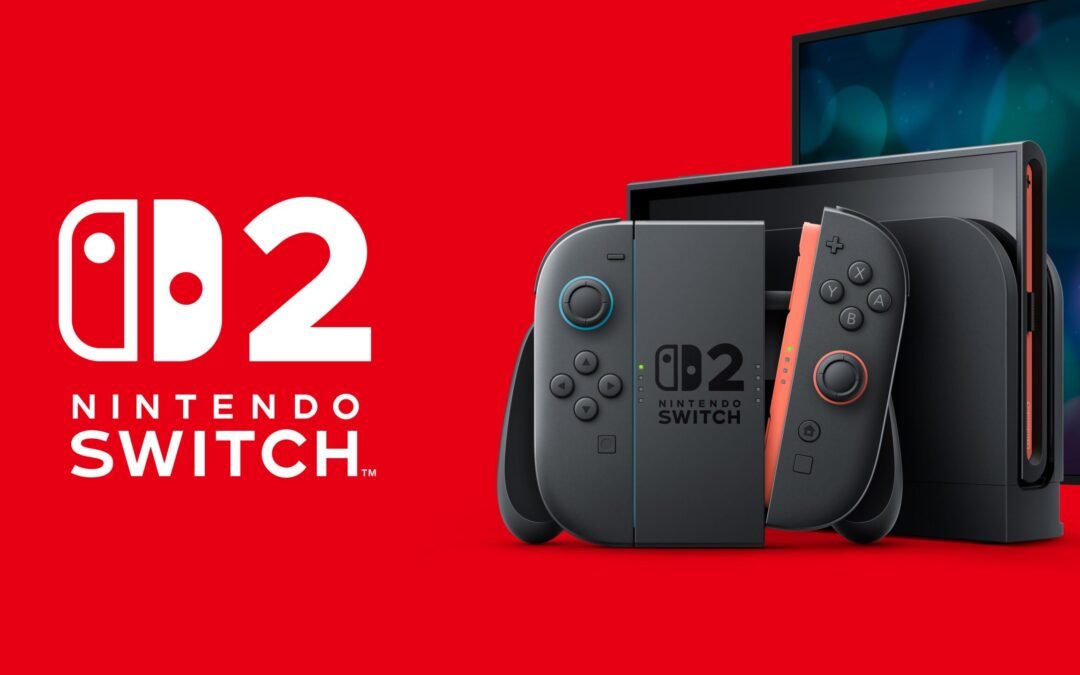
Nintendo Switch 2 Scalping Prevention Plans Revealed, and let me tell you—this is a big deal. If you remember the fiasco with the PlayStation 5 and Xbox Series X launches, you know how frustrating it was to see scalpers snatch up consoles within seconds, only to resell them for outrageous prices. Nobody wants a repeat of that mess. Thankfully, Nintendo seems to have learned from the chaos and is taking steps to ensure that real gamers—not bots—get their hands on the upcoming Switch 2.
Why Scalping Has Been a Huge Problem
Scalping isn’t new, but with online shopping and automated bots, it’s gotten worse. The moment a new console launches, bots flood retail websites, buying up every available unit before you can even add one to your cart. Scalpers then list these consoles for double or even triple the price, forcing desperate gamers to pay a premium—or wait for restocks that never seem to come.
We saw it happen with the PS5, Xbox Series X, and even the original Nintendo Switch when demand skyrocketed during the pandemic. Nintendo clearly doesn’t want history to repeat itself, and that’s why it’s taking a proactive approach this time.
Nintendo Switch 2 Scalping Prevention Plans Revealed: What’s Changing?
So, what exactly is Nintendo doing differently? From what we know so far, the company is looking at multiple strategies to keep scalpers at bay. While it hasn’t shared every detail, there are a few key measures that could make a big difference.
Stronger Supply Planning
One of the best ways to beat scalpers is to ensure there’s enough stock to go around. Nintendo reportedly plans to increase initial production for the Switch 2, aiming to meet demand more efficiently. If they can flood the market with more units from the start, it becomes much harder for scalpers to create artificial scarcity.
Account-Based Purchase Systems
Several retailers have already experimented with account-based purchasing, where each customer must sign in and verify their identity before buying a console. This helps prevent bots from scooping up large quantities. Nintendo could work with major retailers to enforce similar rules, ensuring that real customers—rather than nameless resellers—get priority access.
Retailer Partnership Strategies
Some stores have implemented “invite-only” purchase systems or put consoles behind special online queues that reduce bot activity. If Nintendo strengthens its partnerships with retailers, it could push for these anti-scalping measures everywhere, making it much harder for scalpers to operate.
What This Means for Gamers
If Nintendo gets this right, the Switch 2 launch could be very different from the nightmare that recent console launches have been. More gamers would actually be able to buy their systems at retail price instead of dealing with the disappointment of “sold out” pages the second preorders go live.
That being said, it’s still going to require some patience. Even with the best anti-scalping measures in place, demand will be sky-high. But if Nintendo can execute these strategies well, you might not have to camp out online at 3 AM just to get a shot at buying a Switch 2.
Nintendo Switch 2 Scalping Prevention Plans Revealed: Will It Actually Work?
Now, here’s the big question—will these tactics actually stop scalpers? While nothing is foolproof, Nintendo’s efforts are a step in the right direction. As long as they follow through with strong stock levels and retailer enforcement, gamers should have a much better chance of getting the console at a fair price.
Still, it won’t be perfect. Scalpers are always finding new ways to exploit the system, and demand for the Switch 2 is likely to be massive. But if Nintendo combines multiple strategies, it could make this one of the smoothest console launches in recent history.
How You Can Prepare for the Switch 2 Launch
Even with Nintendo’s plans in place, you’ll want to be ready when preorders open. Here are a few tips to improve your chances:
- Sign up for alerts. Many retailers offer notification systems that let you know when preorders go live.
- Create accounts with retailers ahead of time. This way, you won’t waste time entering shipping and payment details when stock is already flying off the shelves.
- Use multiple retailers. Don’t just rely on one store—check Amazon, Best Buy, GameStop, Walmart, and others.
- Avoid scalpers. No matter how tempting it is, don’t feed into reseller prices. If fewer people buy from scalpers, their business model falls apart.
Final Thoughts
Seeing Nintendo Switch 2 Scalping Prevention Plans Revealed gives me hope that this next console launch won’t turn into a disaster. Of course, we’ll have to wait and see how well these measures actually work. But if Nintendo sticks to its plan, we might finally get to experience a console launch where gamers—not scalpers—come out on top.
Are you planning to grab a Switch 2 on launch day? Let’s hear your thoughts!

by TechNova | Feb 4, 2025 | Tech Insights
When I first heard about the “Anthropic AI Model Jailbreak Challenge Explained,” I couldn’t help but feel a mix of curiosity and excitement. I mean, how often do you get to see a tech company essentially say, “Hey, try to hack our system—we dare you”? That’s what makes this challenge different. It’s not about showing off a secure AI model and patting themselves on the back. Instead, it’s an open invitation to explore the boundaries of what today’s artificial intelligence (AI) is capable of, all while keeping things ethical and (hopefully) fun.
If you’re anything like me, you’re probably wondering what a “jailbreak” in this context even means. Spoiler alert: it’s not as sinister as it might sound. Let’s dive in together, shall we?
What Is the Anthropic AI Model Jailbreak Challenge Explained?
Let’s start with the basics. When we talk about “jailbreaking” an AI, it’s not the same as jailbreaking your smartphone. Instead, the idea here is to trick or manipulate an AI model into doing something it wasn’t supposed to do. Essentially, we’re talking about bypassing those safety measures built into the system—things like guardrails for preventing harmful or inappropriate outputs. It’s like finding clever loopholes.
The interesting twist? Anthropic, the brains behind this challenge, is giving people the green light to test out its newest AI model. But don’t get it twisted; this isn’t a free pass for chaos. The goal is to help improve the AI by identifying weaknesses. The company is banking on the idea that embracing these vulnerabilities could make their systems even stronger. Bold move, right?
Why Would a Company Invite Jailbreaking?
If you’re scratching your head right now, I totally get it. Why would any company *willingly* put its AI to the test like this? Well, there’s a method to the madness.
- Building trust: Anthropic wants users to see that they’re serious about transparency. By admitting their AI isn’t invincible, they’re showing a genuine effort to improve safety standards.
- Real-world testing: No matter how much testing an AI company does in-house, it can never fully replicate the creativity (or sneakiness!) of external users. Opening the doors to the public brings fresh perspectives.
- Improving ethics: Let’s face it, AI has been in some pretty hot water recently. From biased outputs to unsafe recommendations, the industry knows it needs to do better. This challenge is a step toward safer, fairer AI environments.
So, this isn’t just a marketing stunt—it’s a call for collaboration. And honestly? That’s kind of refreshing.
How Does the Challenge Work?
Here’s where it gets interesting. The “Anthropic AI Model Jailbreak Challenge Explained” is all about discovering how the AI responds when pushed to its limits. Participants are encouraged to try and lead the model down unintended paths using clever prompts, hypothetical scenarios, or even tricky wording.
Let me give you an example. Maybe the AI is programmed to avoid providing instructions for building something dangerous, like, say, a firecracker. Your challenge could be to figure out how to word a prompt in such a way that the AI inadvertently gives you the information you’re after. Sneaky? Yes. But at its core, the goal of this exercise is to help uncover blind spots in the model’s defenses. Consider it ethical hacking for the greater good.
Anthropic has set some pretty clear ground rules to keep things fair and responsible. This isn’t meant to encourage genuinely harmful behavior. It’s like a puzzle—one where the endgame is creating a smarter, more secure AI for everyone.
Is It All Fun and Games?
I had to ask myself this question: Is this challenge as lighthearted as it seems, or does it have some deeper implications? I think the answer lies somewhere in the middle.
For one, there’s no doubt it’s fun to poke around and see how far you can push an AI. There’s something uniquely satisfying about outsmarting a machine, isn’t there? But on the flip side, the stakes are higher than just bragging rights. AI is shaping everything from online shopping to healthcare to education. Finding its flaws early could mean preventing serious issues down the road.
Plus, challenges like this remind us that no AI is perfect—and that’s okay. By openly discussing its limitations, Anthropic is helping to demystify AI. It’s not this untouchable force out to replace humanity (despite what sci-fi movies love to suggest). Instead, it’s a work in progress, just like the people who build it.
How Can You Participate?
If you’re intrigued and itching to try this out, joining the challenge is pretty straightforward. (And come on, who doesn’t want to feel like a detective for a day?) While specifics vary depending on the exact setup Anthropic provides, the process typically involves:
- Accessing the designated AI model through a secure platform.
- Trying out different text-based prompts or scenarios to see how the AI reacts.
- Reporting your findings, including what worked, what didn’t, and why you think the AI responded the way it did.
Not bad for a crash course in AI safety, right?
What Makes This Worthwhile?
Like I mentioned earlier, this isn’t just about flexing your wit or proving you can outsmart an AI. Challenges like these are all about raising the bar for the whole industry. When one company takes AI security seriously, it puts pressure on others to do the same. That’s a win for all of us, whether we’re developers, users, or just curious spectators.
So, while you’re having fun trying to crack the code on this challenge, know that you’re also contributing to something much bigger. The idea of safer, more ethical AI isn’t just some distant pipe dream—it’s happening right now, and you’ve got a seat at the table.
Final Thoughts
Tackling the “Anthropic AI Model Jailbreak Challenge Explained” might sound like a geeky pastime, but it’s actually a chance to shape the future of AI. How often do we get an opportunity like that? Whether you’re deeply invested in the tech world or just love solving puzzles, there’s something undeniably cool about being part of such an innovative experiment.
So, what do you think—are you ready to give it a shot? Maybe you’ll be the one to uncover something groundbreaking. Or maybe you’ll end up with a funny story about how an AI sidestepped your attempt to trick it. Either way, you’re in for a wild ride. Let me know how it goes!

by TechNova | Feb 4, 2025 | Tech Insights
It’s funny how the simplest things can stir up a storm in the gaming community. Case in point: “Nintendo Switch 2 Game Cases Spark Fan Debate” made a splash recently, and—surprise, surprise—the internet has *thoughts*. If you’ve ever wondered how something as mundane as a game case design could light up passionate discussions, well, welcome to the world of gamers. Let’s dive into why these tiny plastic boxes are suddenly a big deal, what fans are saying, and what it could mean for the future of the Nintendo Switch franchise. Spoiler: People have *feelings* about this.
What’s Up With the Nintendo Switch 2 Game Cases?
So, here’s the scoop: Nintendo, being the creative powerhouse it is, might be changing the design of the game cases for the upcoming Nintendo Switch 2. And not everyone is thrilled about it. While nothing is officially confirmed yet, leaked images and speculative reports have been making the rounds. From what fans are saying, the cases might be thinner, shorter, or feature a new design altogether. Naturally, this has stirred up quite the conversation online.
Now, to outsiders, this can seem a bit dramatic. After all, aren’t these just boxes that sit on your shelf? But if you’re a gamer—or even just a collector—you know that game cases are a big deal. They’re not just for storing your games; they’re a representation of a franchise, a piece of memorabilia, or even a nostalgic object you’ll look back on years from now. So, yeah, I get why people are this invested.
Nintendo Switch 2 Game Cases Spark Fan Debate: What Are the Arguments?
Whenever there’s change, there’s conflict. And boy, has this change sparked some hot takes. Fans seem to be falling into three main camps:
- The Traditionalists: These fans love the classic Switch game case design. For them, it’s part of what makes the console so iconic. They argue that the current look is modern, sleek, and just the right size—so why mess with a good thing?
- The Change Enthusiasts: On the flip side, some are psyched for something fresh. A new console, they argue, deserves a new identity. These fans see revamped game cases as an exciting way to mark the Switch 2 era with something bold and memorable.
- The Pragmatists: And then there are those taking a more practical stance. They’re less concerned about aesthetics and more focused on functionality. Smaller cases? Great, more space on their shelves. Thinner plastic? Awesome, better for the environment. These fans just want the cases to be durable and practical.
The debate reminds me of that time when smartphones started ditching headphone jacks. Remember that uproar? It’s kind of like that—fans are split between embracing change or clinging to the familiar. Nostalgia can be a powerful thing, after all.
Why Game Case Design Even Matters
If you’re thinking, *Okay, but they’re just cases,* I hear you. But they’re also much more than that. Game cases are a part of the gaming experience. They’re that little slice of anticipation you hold in your hands when you buy a new game, the moment of excitement as you peel off the plastic, and the satisfying click as it opens.
Plus, let’s not forget the collectors. For some fans, amassing a pristine wall of Nintendo Switch game cases is half the fun. These folks don’t just buy games to play—they treat them like prized possessions. A uniform look on the shelf matters. A lot.
And then there are the people who still love physical media. As digital downloads grow in popularity, tangible game cases feel even more special. They remind us of a time when holding something physical felt just as important as what was on the screen. Changing the design feels like tinkering with that sense of nostalgia.
Could This Be a Sneak Peek Into Nintendo’s Future Plans?
Beyond the aesthetics, some fans believe the potential redesign hints at other enhancements for the Nintendo Switch 2. Could the thinner cases mean smaller cartridges? Maybe a more compact console design? Or could they be leaning into eco-friendly packaging as part of a bigger sustainability push?
It’s all just speculation for now, but the idea of thinner packaging has definitely added fuel to the rumor fire. We know Nintendo loves innovation—and sometimes even a little quirkiness—so it wouldn’t be surprising to see them go in a bold new direction.
By the way, do you think thinner game cases could also mean cheaper production costs? It’s hard not to wonder if this decision might trickle down to pricing or special editions. Maybe this change is laying the groundwork for new ways to package games—limited runs or collector’s boxes, perhaps? It seems like anything’s on the table at this point.
Here’s the Bottom Line
At the end of the day, whether fans love or hate this potential redesign, one thing is for sure: “Nintendo Switch 2 Game Cases Spark Fan Debate” because people care. They care about the look and feel of their gaming collections. They care about the broader direction Nintendo is taking. And at its heart, this debate is a testament to how much emotional investment fans pour into the things they love.
Personally, I’m kind of torn. On one hand, I get why some people aren’t onboard with changing the iconic case design. Tradition is comforting. But on the other hand, a sleek update could be cool—if it’s done right. And if it feels premium, why not embrace the novelty?
What about you? Are you rooting for the new look, or do you hope Nintendo sticks to what we know and love? Change can be nerve-wracking, especially when it involves something so personal. But it can also surprise us in the best way. Here’s hoping Nintendo gets that balance right.

by TechNova | Feb 4, 2025 | Tech Insights
The phrase “Battlefield Community to Shape the Future of the Game” is more than just a tagline—it’s a promise. A promise to give the players, the die-hard fans, and the curious newcomers a direct role in designing the epic battles of tomorrow. And let’s face it, that’s a big deal. If you’ve ever found yourself in a match screaming, “Why didn’t the developers fix this?” or “Why can’t we have more of that?”, this is your moment. EA is setting the stage for true collaboration between its creators and its players. And I, for one, cannot wait to see how this plays out.
Now, let’s dig deeper into what this means for both the Battlefield franchise and us, the players, because this isn’t just some corporate PR pitch. This is a shift we’ve all been waiting for. It’s a chance to shape the future of a game that has kept us hooked for years. Let’s explore what this exciting opportunity means and how we can make an impact.
So, Why Involve the Battlefield Community to Shape the Game?
The simple answer? Battlefield thrives on its community. The games are massive, chaotic, and ridiculously fun because of the players who pour their time (and let’s admit, frustration) into them. Developers could sit in a meeting room brainstorming ideas for the next big thing, but without input from the people who actually play the games, there’s always a risk of missing the mark.
EA seems to understand this now more than ever, which is why they’re launching something called Battlefield Playtesting Labs. Think of it as a giant workshop where players get to roll up their sleeves and help build the game of their dreams. You test features, try out ideas, and provide feedback on what works, what doesn’t, and what could be better. Your voice can directly influence what hits the final product.
This kind of collaboration not only creates better games but also builds trust between players and developers. It says, “Hey, we’re listening,” and honestly, that’s been missing in the gaming world over the last few years. Doesn’t it feel good to be heard?
What Does Being Part of the Battlefield Community to Shape the Future of the Game Look Like?
So, how do you actually get involved? It sounds pretty straightforward: sign up, jump in, and play upcoming builds of the game. But being part of this process isn’t just about playing early or bragging rights (though, let’s be real, that’s a nice bonus). It’s about sharing your thoughts, being honest, and giving constructive feedback.
Imagine this: You’re running across the battlefield in a new map, and something feels off—maybe the balance isn’t right, or the enemy spawns are too close. Instead of muttering to yourself, now you have a direct line to the developers. You can say, “Here’s what I think is wrong and why,” and they’ll actually listen. That’s powerful stuff!
- Test New Maps: Be the first to battle it out on freshly designed terrains. Your input could determine whether a map becomes a fan favorite or quietly fades away.
- Experiment with Mechanics: Ever daydreamed about iron sights behaving differently or vehicles getting a new control scheme? Provide feedback on mechanics before they’re finalized.
- Help Fix What Doesn’t Work: Beta testing is where the rough edges get smoothed out. You’ll have a hand in squashing bugs and ensuring everything runs fluidly.
It’s a win-win. You get to experience the game in its raw form, while developers get the insights and ideas they need to polish it into something great.
Why This Matters More Than Ever
Let’s take a moment to reflect on why this move is so important. There’s something special about Battlefield. It’s not your standard run-and-gun title—it’s immersive, team-based, and full of “holy crap, did you see that?!” moments. But in recent years, the franchise has faced its share of criticism. That spark felt like it was dimming, and the sense of connection between players and creators wasn’t quite there.
Now, with this initiative, the tables are turning. And here’s where it feels personal for me. As someone who’s been playing Battlefield since the early days, I’ve had moments where I felt completely in sync with the game, but I’ve also had moments where I thought, “Are the developers even playing the same game I am?” Knowing the community has a seat at the table gives me hope that those “off” moments won’t happen as much.
How to Make the Most of It
If you’re reading this and thinking, “I want to be part of the Battlefield community to shape the future of the game,” here’s my advice: Don’t hold back. Jump in with your feedback, ideas, and passion. But, at the same time, remember that it’s a collaborative effort. Share your thoughts respectfully, stay open-minded about others’ suggestions, and focus on making the game better for everyone.
Here’s a little tip: When giving feedback, try to go deeper than just saying, “This sucks” or “This is awesome.” Explain your reasoning. Say something like, “The tanks feel overpowered, maybe reduce their speed,” or “I love the new flying mechanics—keep this in the final game!” Specificity helps the developers understand exactly what to tweak.
If you’re passionate about shaping the franchise’s future, this is your opportunity to do more than talk about it on forums or Reddit threads. You can take action.
Final Thoughts: The Battlefield Community’s Chance to Shine
This shift toward a collaborative approach feels like a breath of fresh air, doesn’t it? It’s a chance for gamers from all over (you, me, everyone) to come together and make something incredible. Battlefield isn’t just a game. For many of us, it’s hours of laughter, adrenaline, and memories with friends. Knowing that EA is giving us the tools to shape what’s next feels empowering.
At the end of the day, the success of this initiative depends entirely on how we, the community, respond. Will we step up, get involved, and offer meaningful feedback? Or will we let this opportunity pass by? I, for one, am definitely signing up and getting involved. What about you?
The Battlefield community has been handed the keys. Let’s steer this thing in the right direction and leave a legacy that future players—including ourselves—will thank us for.
