
by TechNova | Feb 5, 2025 | Tech Insights
The Nikon Coolpix P1100 has just upped its game with a jaw-dropping 3000mm zoom upgrade. Yep, you read that right—3000mm! This compact camera feels like it’s part telescope, and for anyone who’s ever dreamed of capturing the tiniest details on the far-off horizon, it’s a solid contender. If you’ve been eyeing a powerful zoom camera that’s still small enough to sling over your shoulder, let’s dive into what makes this new model stand out in the Coolpix lineup.
What’s New in the Nikon Coolpix P1100?
At first glance, you might think the P1100 is just its predecessor (the P1000) in disguise. But Nikon’s introduced some subtle tweaks that make this version worth a closer look—especially if zooming in on the action is your priority. The big headline difference? That sweet 3000mm optical zoom. Seriously, this thing can take you from wide-angle group shots to filling the frame with a bird perched hundreds of feet away.
More than that, it’s clear Nikon has built this for photographers who crave both ease of use and power. While it’s not stacked with dramatic new features, the changes are focused on refining what already worked. If you’re all about getting those moon shots, wildlife close-ups, or just capturing details that the naked eye misses, you’re going to love some of the upgrades.
The 3000mm Zoom: Who’s It For?
Okay, let’s have a moment of honesty. When I first heard about a 3000mm zoom camera, my reaction was… do I even *need* that much zoom? But then I started thinking about all the times my current lenses couldn’t quite reach—trying to capture birds in distant treetops, or that cliff edge across a sprawling canyon. If you’ve ever felt that itch for “just a little closer,” this camera’s gonna scratch it in the most satisfying way.
The thing I love about superzooms is you don’t have to lug around a whole kit of interchangeable lenses. The P1100 nails portability, while still delivering reach. It’s perfect for certain groups:
- Wildlife enthusiasts: Imagine snapping a sharp, detailed shot of a skittish deer without moving an inch closer.
- Moon/astro photographers: The P1100 is practically begging for those crisp, crater-filled moon photos.
- Travel photographers: Let’s face it, carrying a small camera on long trips is a lifesaver, and this one handles both wide and ultra-zoom without breaking a sweat.
Sure, not everyone needs superzoom power, but if you do, having 3000mm built into one body is a game-changer.
Refined Features for a Better Shooting Experience
The Nikon Coolpix P1100 isn’t just about zoom. Nikon knows that using a camera should feel intuitive and fun, which is why they’ve woven in some other thoughtful updates. Let’s talk features for a second.
Image Stabilization That Delivers
One of the biggest concerns with such extreme zoom levels? Shaky shots. A 3000mm lens is no joke; every tiny movement is exaggerated. The P1100’s advanced stabilization does a lot of heavy lifting here—it’s like having a steady pair of hands holding the frame steady even when yours aren’t.
When I was testing out a similar superzoom earlier this year, stabilization made all the difference between “meh” and “wow.” I can only imagine how much Nikon’s refinements will help handheld shooters nail a tack-sharp image.
Improved Video Capabilities
If video is your thing, the P1100 doesn’t disappoint. It offers full 4K video with smooth frame rates and, of course, the ability to zoom waaaay in without sacrificing clarity. Personally, I can already picture using this for wildlife documentaries or even just quirky vacation clips. (Zooming in on distant landmarks is surprisingly fun!) Plus, the addition of advanced autofocus during video keeps things locked-on and smooth, even at those longer focal lengths.
Connectivity and Convenience
The modern photographer expects a camera to feel connected—literally. The Coolpix P1100 keeps up with built-in Wi-Fi and Bluetooth support. This makes it easier to transfer images on the fly or even control the camera remotely from your smartphone. You know, for when you’re trying to snap a shot of a nest without scaring off the birds.
As someone who uses my phone to double-check compositions before taking the “real” photo, I love how seamless this feature feels.
What About Size and Handling?
Let’s talk practicality. The P1100 isn’t exactly pocket-sized—no camera with this kind of monster zoom can be—but it’s still small enough to carry in a backpack or over-the-shoulder camera bag. My guess is it’s a bit lighter than hauling around a DSLR/mirrorless with multiple lenses to cover the same range.
One concern I’ve heard from others (and somewhat shared) is that a superzoom can be intimidating if you’re a beginner. But Nikon’s interface is clean and user-friendly. Even if you’re new to photography, the P1100 can be tackled without feeling overwhelmed.
Who Should Skip the Coolpix P1100?
While it’s tempting to say, “This camera is for everyone!”, I’ve got to keep it real. If you’re only taking casual snapshots or mostly shoot indoors, you probably don’t need the P1100. The zoom capabilities are amazing, but for low-light situations or tight spaces, you might find it overkill—and a good smartphone or compact mirrorless might suit you better.
On the flip side, photography buffs and enthusiasts who love experimenting will likely find it hard to resist. Even casual birders or hikers might get hooked once they see what 3000mm can do.
Final Thoughts: Is the Nikon Coolpix P1100 Worth It?
After digging into all the features of the Nikon Coolpix P1100, I can honestly say it’s not a camera that’ll suit *everyone*. But for the right kind of photographer—particularly those who geek out over superzooms or love capturing hard-to-reach details—it’s a winner. From the massive 3000mm zoom to the improved stabilization and seamless connectivity, Nikon’s sprinkled enough magic here to make upgrading feel worthwhile.
If you’ve got the patience to wield such a powerful zoom responsibly (and a steady hand!), the P1100 could be your new best friend in the field. Whether you’re documenting nature, snapping landscapes, or even just experimenting with creative compositions, this camera opens up a whole new world of possibilities. Here’s hoping it lands in the hands of people who’ll make the most of its massive potential!
by TechNova | Feb 5, 2025 | Tech Insights
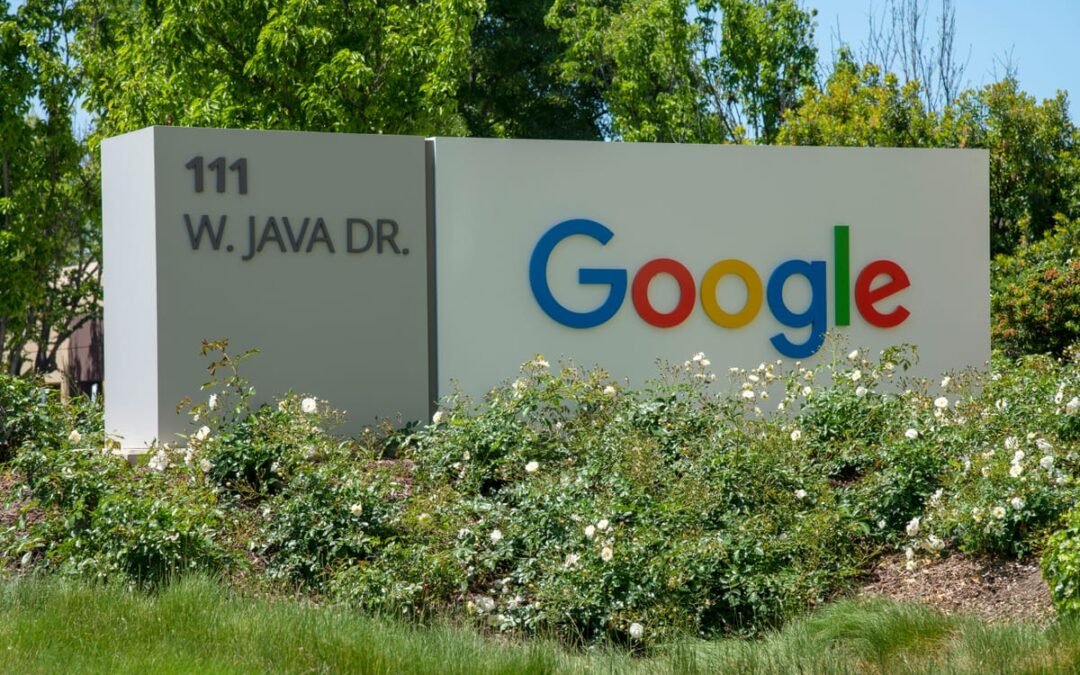
Alright, let’s dive into one of the most eyebrow-raising topics making waves lately: the controversial development of Google AI weapons. If you’re anything like me, you probably heard this phrase and did a double take. Google? The tech giant known for its search engine and quirky doodles? Working on AI-related military tools? Yep, it’s happening—and it’s stirring up a serious storm of opinions.
Artificial Intelligence is no stranger to headlines, but when companies like Google—famous for their “Don’t Be Evil” motto (which they quietly retired years ago, by the way)—get involved in something with such potentially dangerous consequences, people start asking questions. And honestly? They’ve got every right to.
What Exactly Are Google AI Weapons?
So, what does this actually mean? To be clear, it’s not like Google is building killer robots straight out of a sci-fi blockbuster (thankfully!). Instead, the controversy revolves around using Google’s advanced AI systems in projects that could have military applications. This includes things like automated decision-making and even surveillance technologies that could easily be adapted for warfare.
Now, here’s where it gets tricky. Google has always painted itself as a company focused on using AI for good—think healthcare or climate change solutions. But now that people are questioning their involvement with AI weapons, a lot of us are left wondering: Is this just another example of a big company losing sight of its principles?
It’s messy. Some employees within Google have publicly expressed their discomfort, even advocating against their own company working on projects with military consequences. Meanwhile, others argue that the tech was going to be developed by someone, so why not ensure it’s done responsibly? Honestly, can we even guarantee that with military-grade tools?
The Debate Over Google’s Ethical Responsibility
That question really hits at the heart of the issue: ethics. And when it comes to AI, ethics aren’t just some “nice-to-have” afterthought—they’re everything. Google has these famous AI principles they crafted back in 2018, which clearly state their AI should not be used to cause harm. It sounded reassuring at the time, but now those promises feel a little shaky, don’t they?
On the one hand, supporters of Google’s involvement argue that their sophisticated AI could save lives by making military systems more precise and less prone to human error. Imagine a drone that could assess its target with 100% certainty before taking action. Sounds better than guessing, right?
But on the other hand…what happens when you hand over the ability to make life-or-death decisions to a machine? Even if intentions are good, mistakes happen. And the more automated you make something, the harder it becomes to trace back responsibility when something goes wrong. That thought genuinely gives me the chills.
Could Google’s AI Work Be a Pandora’s Box?
If Google opens the door to more widespread use of AI weapons, where does it end? Seriously, think about it. Tech innovations rarely stay within the bounds we hope for. They evolve, get repurposed, and sometimes get misused. Today’s noble-sounding “precision tools” could easily become tomorrow’s autonomous killer drones. It’s a terrifying slippery slope.
Maybe it’s just the sci-fi nerd in me, but I keep thinking about movies where AI turns on humanity. Sure, we’re not there yet, but the line between sci-fi and reality seems to blur more and more every day. I mean, were drones and facial recognition that far-fetched 20 years ago? Now, they’re everywhere.
Why This Is Personal For Everyone
Okay, let’s get personal here. What makes this story so compelling is that it’s not just tech jargon or corporate politics—it affects real people. I think we’re all asking the same question: where do we draw the line with technology?
AI isn’t inherently evil (despite every dystopian movie making it seem that way). There’s so much potential for good! It could help predict natural disasters, detect diseases earlier, or tackle massive problems like climate change. But when you realize those same tools could also aid warfare… it just feels wrong, doesn’t it? Like something that was meant to help the world is being twisted into a weapon.
The issue here isn’t just what Google is doing—it’s about *who* gets to decide the future of AI. Should it be left in the hands of a select few corporations and governments? Should there be global agreements on how far this kind of tech can go? It’s a heavy topic, but one that’ll shape the world we’re living in.
The Role of Transparency and Public Pressure
Here’s where I think we, everyday people, actually have more power than we realize. Public reaction to Google’s involvement in these kinds of projects matters. It’s been reported before that employee protests and public outcry have caused tech companies to reconsider contracts, especially with government or military organizations. Remember when Google was part of the Pentagon project for AI-powered drones? They eventually pulled out after major backlash.
It’s a reminder that speaking up works. If enough people share their concerns, companies often listen—if only to save their reputation. So if this is something that makes you squirm as much as it does me, don’t underestimate the value of adding your voice to the mix.
Where Do We Go From Here?
At the end of the day, the controversy over Google AI weapons is about more than just one company. It’s about the bigger question of how we want AI to shape our future. Will it be a force for good, used to solve problems and make our lives better? Or will it become just another tool for destruction?
I don’t think the answers are simple, but I do believe they’re worth thinking about. Because whether we like it or not, AI is here. And it’s advancing faster than most of us can keep up with. It’s up to everyone—scientists, policymakers, companies, and yes, even you and me—to figure out what boundaries need to be in place before things go too far.
For now, all eyes are on Google to see how they navigate this delicate line. Here’s hoping they make choices that actually align with those famous principles they promised to follow. Trust me, the world’s watching.
by TechNova | Feb 5, 2025 | Tech Insights
If you’re an iPhone user, you’ve probably considered getting AppleCare+ at some point. Well, buckle up because the AppleCare iPhone price hike and new coverage changes are officially here. If you were on the fence before, this might push you one way or the other. But don’t worry—I’ll break it all down so you know exactly what you’re dealing with.
How Much More Will AppleCare+ Cost for iPhones?
Let’s start with the money talk. AppleCare+ is getting pricier, and it’s not a tiny increase. Depending on your iPhone model, you might be paying anywhere from $10 to $30 more per year. That might not sound huge, but when you spread it out over a couple of years, it adds up. And if you’re already paying monthly, those small increases can sneak up on your budget.
If you’ve recently upgraded to an iPhone 14 or iPhone 15, the new AppleCare iPhone price isn’t something you can avoid if you planned to get extended protection. Here’s what you need to know:
- The more expensive your iPhone, the more expensive AppleCare+ will be.
- Monthly plans have also gone up, not just the lump sum option.
- Higher-end models like the iPhone 15 Pro will see the biggest increase.
So, what does this mean? Well, if you were already stretching your budget to afford AppleCare+, this could push you into reconsidering it. But before deciding, let’s look at what’s changing in terms of coverage.
What’s Changing in AppleCare+ Coverage?
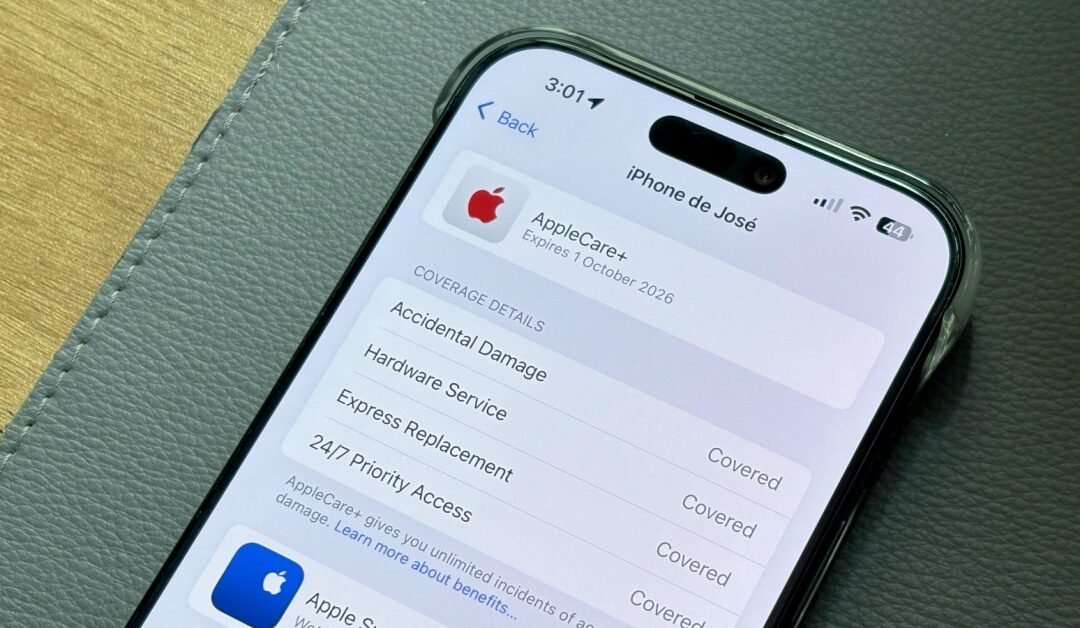
Now, onto the good news—because it’s not all bad. Apple is actually expanding coverage in ways that some users will find helpful. One of the biggest changes? AppleCare+ now includes coverage for lost or stolen devices—but only if you opt for the Plus with Theft and Loss plan.
This means if you tend to misplace your phone (or have terrible luck with theft), you’ll have an extra safety net. Before, if your iPhone was lost or stolen, you’d be out of luck unless you had specific insurance from your carrier.
Here’s a snapshot of what’s included now:
- Accidental damage still covered (drops, cracks, spills—life happens, and Apple knows it).
- Battery service if it drops below 80% health.
- Now includes theft and loss coverage (but with a deductible).
- Unlimited repairs for accidental damage (this one is huge).
That last bullet point is a big deal. Previously, you only got a limited number of incidents covered, but now, if you’re accident-prone, you won’t have to ration your repairs.
Is AppleCare+ Still Worth It?
Alright, let’s talk about the big question: Is AppleCare+ worth the new price? The answer really depends on how you use your phone and how careful you are. If you’re someone who has never cracked a screen, you might feel fine skipping out. But if you’ve had a few close calls (or straight-up disasters), paying a little extra might save you more in the long run.
Here’s how I personally think about it:
- If you upgrade yearly, you might not need it—it’s a short investment period.
- If you keep your iPhone for 3–4 years, then AppleCare+ starts making more sense.
- Frequent travelers or people using their phone for work should definitely consider it.
- If you’re clumsy and have a history of accidents, don’t even think twice—get it.
Weighing the cost of recurring payments against a potential $300 screen repair isn’t fun, but that’s the reality. If paying upfront now means avoiding a massive unexpected bill later, it might be the smarter play.
How to Decide Whether to Buy AppleCare+?
Let’s say you’re still unsure. Here’s what I’d do: Ask yourself how often you’ve needed repairs in the past. If you’ve paid out of pocket for a screen replacement at least once in the last two years, AppleCare+ could very well be worth it.
Also, check if you have coverage through other means—maybe your credit card offers purchase protection, or your carrier has a decent insurance plan already bundled in. No sense in paying for overlapping benefits!
Another thing to consider is resale value. An iPhone that’s been covered under AppleCare+ might retain more value when you sell it, since buyers will see it as well-maintained. If you’re someone who resells and upgrades often, this could put extra money back in your pocket down the road.
Final Thoughts on the AppleCare iPhone Price Changes
So, is the AppleCare iPhone price hike a dealbreaker? Not necessarily. It stings a little, sure, but Apple’s adding more value to the plan, even if it comes at a higher cost. If you’re someone who tends to drop their phone (or just has ridiculously bad luck), this update isn’t all bad news.
That said, if you’re careful with your devices and don’t mind taking the risk, you could skip AppleCare+ and save some cash. Either way, the most important thing is making an informed decision. Hopefully, this breakdown helped you figure out whether AppleCare+ is still the right move for your iPhone and your budget.
So, what do you think? Are you sticking with AppleCare+ despite the price hike or taking your chances without it?
by TechNova | Feb 4, 2025 | Tech Insights
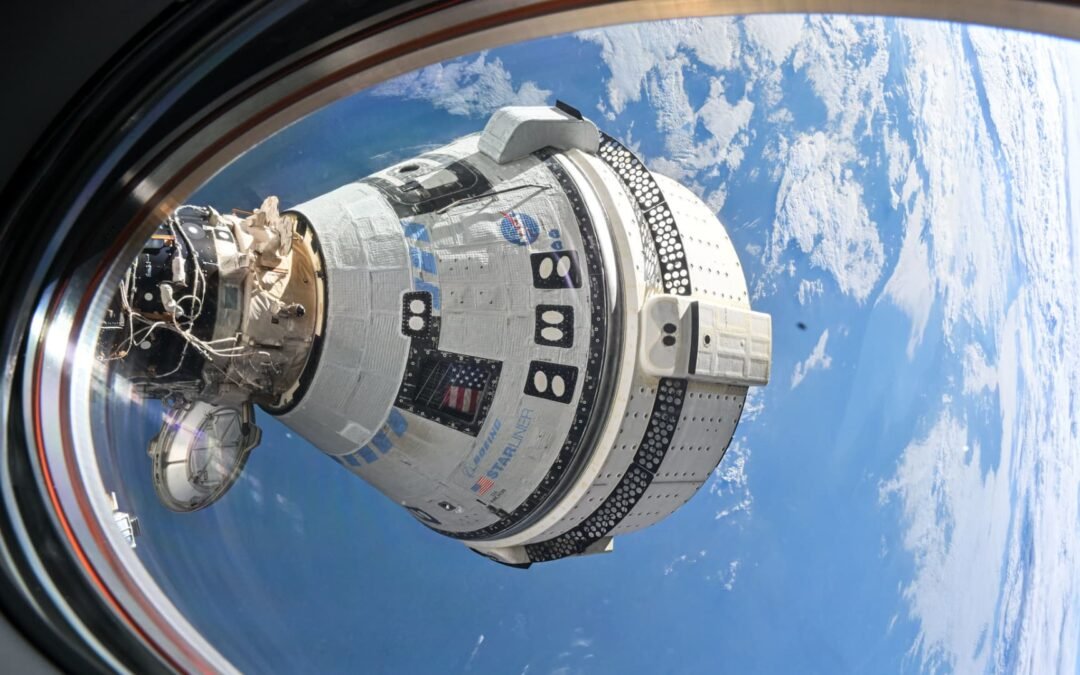
The Boeing Starliner Program is facing an eye-watering setback—$2 billion in losses, to be exact. This ambitious project, meant to give NASA another ride to the International Space Station (ISS), has been riddled with delays, technical issues, and a price tag that keeps climbing. If you’ve been following the journey of Starliner, you know it hasn’t been smooth sailing… or, in this case, smooth spacefaring.
What’s Going on With the Boeing Starliner Program?
Boeing set out to create a reliable crew spacecraft, but things haven’t gone as planned. The Starliner program initially looked like the perfect complement to SpaceX’s Crew Dragon. After all, NASA didn’t want to rely on a single company to ferry astronauts to the ISS. But over the years, design flaws, test failures, and costly fixes have turned what should’ve been a dependable spacecraft into a serious financial burden.
Now, with losses tallying up to $2 billion, one has to wonder—how did it get to this point? And more importantly, what does this mean for the future of Boeing and NASA?
The Price of Space Exploration
Space travel is expensive. That’s no secret. But even for an industry where billion-dollar budgets aren’t uncommon, Boeing’s Starliner losses stand out. There were high hopes when Boeing secured its NASA contract, competing against Elon Musk’s SpaceX. The idea was simple: two companies, two spacecraft, providing redundancy and flexibility for U.S. space travel.
But while SpaceX has been flying operational missions for years, Boeing is still dealing with issues before Starliner can prove itself. Several failed test missions and mechanical problems have forced repeated redesigns, further ballooning costs. What started as an exciting new project has turned into a financial drain.
Why Is the Boeing Starliner Program Struggling?
Boeing isn’t new to spaceflight. This is a company with decades of experience building rockets and spacecraft. So why is the Starliner having such a hard time?
- Software Failures: One early test flight nearly ended in disaster due to software malfunctions that made Starliner miss its intended orbit.
- Hardware Issues: Valve problems and parachute concerns forced Boeing to postpone key test flights.
- Rework and Delays: Every flaw detected means time and money spent fixing it. The more issues surfaced, the further down the timeline Starliner slipped.
- Competition Pressure: While Boeing has been troubleshooting, SpaceX’s Crew Dragon has flown multiple missions, proving its reliability and making Starliner seem redundant.
Imagine you spent years building a dream car, only to have it constantly break down at the worst moments. That’s what Boeing is dealing with—except their dream car is a spaceship, and the breakdowns cost billions.
What Does This Mean for NASA?
NASA wanted two commercial crew spacecraft to avoid reliance on SpaceX alone. But with Boeing struggling, that backup plan isn’t looking as strong. Starliner was supposed to be flying operational missions by now, yet every delay makes NASA question whether Boeing can deliver.
It also impacts future contracts. NASA isn’t just picking partners for today; they’re thinking about missions to the Moon, Mars, and beyond. If Boeing can’t get Starliner off the ground reliably, will they be trusted with more ambitious projects?
Can Boeing Turn Things Around?
If history tells us anything, it’s that Boeing doesn’t give up easily. The company has deep pockets, decades of aerospace experience, and a strong incentive to make Starliner succeed. They can’t afford another failure—not just financially, but for their reputation in spaceflight.
There’s also the NASA partnership to consider. The space agency still wants this to work, so Boeing isn’t completely on its own. The question is, how much longer can Boeing sustain these losses before considering if Starliner is worth the effort?
The Bigger Picture for Space Exploration
Boeing isn’t the only player in the space race. Private companies are pushing the boundaries of what’s possible, governments are investing in next-gen space technology, and the idea of human missions to Mars is becoming less of a sci-fi dream and more of a real goal.
So where does Boeing fit in? Despite current setbacks, Starliner still has potential. If Boeing manages to fix its issues and prove reliability, it could still play a vital role in space travel. But right now, the company is in a tough spot, and the pressure is higher than ever.
Final Thoughts
Spaceflight isn’t easy. Boeing’s been learning that the hard way with Starliner. The $2 billion setback is a painful dent in their budget, but it doesn’t have to be the end of the road. The real question is whether Starliner will eventually soar or remain a cautionary tale of space exploration gone wrong.
What do you think? Should Boeing keep pushing forward, or is it time to cut their losses? Space is tough, but sometimes, the toughest challenges lead to the biggest breakthroughs.

by TechNova | Feb 4, 2025 | Tech Insights
The Apple Porn App Tariff Controversy has got people talking, and for good reason. If you haven’t heard, Apple is adjusting the way it charges app developers in Europe, particularly those offering adult content. This change isn’t just about money—it’s about power, politics, and how companies respond to government pressure. And let’s be honest, when Apple makes a move, the whole tech world pays attention.
What’s Going On With Apple and Porn Apps?
If you’re wondering why Apple is suddenly tightening its grip on adult content apps, you’re not alone. Essentially, new European regulations require Apple to allow alternative app stores and payment methods. While this sounds great for developers and users, Apple isn’t making it easy. They’ve introduced new fees, some of which specifically target apps dealing in adult content.
Now, here’s where things get spicy. The adjustments mean that some porn-related apps will face higher costs to remain on the App Store—while mainstream apps might not see as big of an impact. Apple justifies these changes by pointing to security concerns and the need to monitor sensitive content. But critics argue it’s a clever way for Apple to maintain control and rake in cash, even as regulations try to loosen its grip.
Are These Just Business Fees, or Is There Something Bigger Happening?
On the surface, it might seem like Apple is just making sure they still profit from their platform. But there’s more to it. Some believe this is a reaction to broader political and economic tensions, including past trade battles between the U.S. and Europe. Remember when the U.S. imposed tariffs under the Trump administration? Tech companies like Apple are still dealing with the fallout, and this could be one way to balance the books.
Beyond politics, Apple has always been strict about adult content. Unlike Android, which allows alternative app stores without much fuss, Apple has a curated ecosystem. That’s a fancy way of saying Apple decides what stays and what goes. So, when the company says it’s imposing extra fees for security reasons, many see it as another way to keep adult content at arm’s length—without outright banning it.
How Does This Affect Users and Adult App Developers?
If you’re a regular user, you might not notice much at first. But if you use certain apps that rely on alternative payment methods, you could see higher prices. Developers, on the other hand, face a tougher situation. Many adult app creators already deal with restrictions from advertising platforms, social media bans, and payment processing hurdles. Now, with Apple’s new fee structure, these challenges just got even bigger.
Some developers might consider pulling their apps from the Apple ecosystem altogether. Others may pass increased fees onto the users. Either way, it’s likely that access to adult content on iOS will become more complicated—or at least more expensive.
What Happens Next?
Apple is known for sticking to its decisions, even when controversy erupts. But this situation is still evolving. The European Union is closely watching how Apple responds to new regulations. If lawmakers decide these fees unfairly target a specific industry, Apple might face further scrutiny.
Meanwhile, users and developers have choices. While Apple’s control over its ecosystem is strong, alternative platforms and workarounds continue to emerge. And as more people demand open digital marketplaces, we could see further pushback against Apple’s control over apps—adult or otherwise.
The Bigger Picture
The Apple Porn App controversy isn’t just about one category of apps—it’s about who gets to control digital commerce. It highlights the tension between companies, governments, and the people who actually use these services. Whether you’re a developer, a tech enthusiast, or just someone who enjoys a free internet, this debate matters.
So, what do you think? Is Apple protecting users, or just protecting its profits? One thing’s for sure: this story isn’t over yet.
