by TechNova | Feb 7, 2025 | Tech Insights
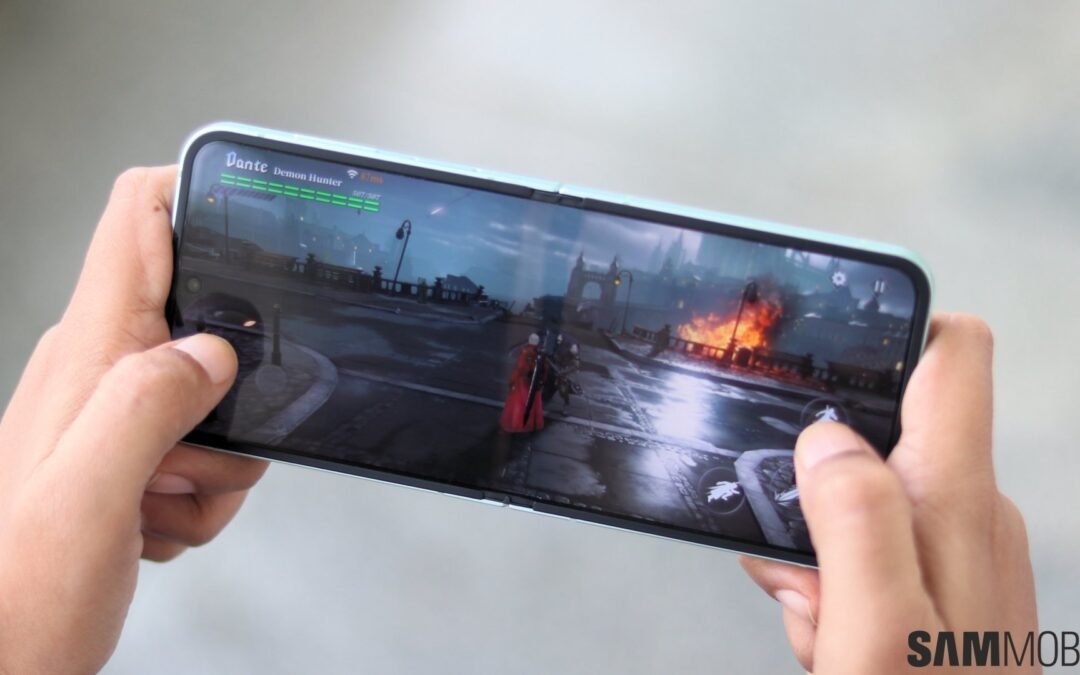
One UI 7 Game Booster is set to make mobile gaming even smoother with some exciting new frame rate options. If you’ve ever wished for more control over how your games look and feel on your Samsung device, this update might just be what you need. With One UI 7, Samsung is giving gamers more flexibility, helping them find the perfect balance between performance and battery life.
What’s New in One UI 7 Game Booster?
Samsung has been steadily improving its gaming features, and the new enhancements in One UI 7 take things up a notch. If you’ve used Game Booster before, you already know it helps optimize performance while you game. But this update makes it even more exciting with additional frame rate settings.
Previously, Samsung’s Game Booster allowed you to tweak game performance, but the choices were pretty basic. Now, we’re looking at a more detailed selection of frame rate options, which is perfect for players who love fine-tuning their experience. Whether you want ultra-smooth visuals or just need to preserve battery life, there’s a setting for you.
More Frame Rate Options for a Customized Experience
So, what exactly are these new frame rate options? Samsung is expanding beyond the usual “Standard” and “High” settings and adding extra ranges. This means instead of just choosing performance or battery saving, you can now adjust your preferences with more precision.
- Enhanced Performance Mode: This setting lets games take full advantage of higher refresh rates, delivering buttery-smooth motion.
- Balanced Mode: A middle-ground setting that optimizes for both performance and efficiency, perfect for longer gaming sessions.
- Battery Saver Mode: Reduces frame rates slightly to extend battery life while still keeping games playable.
- Custom: Some devices may allow users to fine-tune refresh rates manually, offering total control over the experience.
With these options, you get to decide what matters most—do you want flawless performance for fast-paced action titles, or do you need to maximize battery life for a long day of gaming? It’s completely up to you.
How Game Booster Enhancements Improve Gameplay in One UI 7
Anyone who’s ever played a graphics-heavy game on mobile knows the struggle. You’re deep into an intense match, and suddenly… stutter. Or worse, your phone heats up and starts throttling performance. That’s where these new Game Booster improvements come in.
By fine-tuning frame rates, Samsung is helping prevent overheating while ensuring a stable gaming experience. When your device doesn’t have to push itself to the limit all the time, it lasts longer and sustains performance better. That’s a win-win, right?
Who Benefits the Most from These Changes?
If you’re a casual mobile gamer, you might not notice the difference right away. But for anyone playing high-refresh-rate games—think competitive shooters or racing titles—this update is a big deal. Smoother frame rates can give you an edge, especially in games where every millisecond counts.
Even if competitive gaming isn’t your thing, the battery-saving options in Game Booster mean you can play longer without reaching for your charger. If you hate having to pause mid-game because your phone’s battery is draining too fast, this update will make a noticeable difference.
How to Access the New Game Booster Settings in One UI 7
So, how do you start taking advantage of these new frame rate options? It’s pretty straightforward. Once One UI 7 rolls out to your device, you’ll want to head over to your Game Booster settings.
Here’s a quick walkthrough:
- Open the Game Booster while in a game.
- Look for the Performance Settings option.
- Select your preferred Frame Rate Mode depending on your needs.
Samsung may introduce additional tweaks with further updates, so it’s always a good idea to check your settings every now and then!
Final Thoughts: Do These New Options Make a Difference?
Absolutely. If you’ve ever been frustrated by lag, frame drops, or excessive battery drain while gaming, these small but meaningful improvements in One UI 7 could change the way you play on Samsung devices.
More control over frame rates means a smoother, more enjoyable gaming experience, whether you’re a serious mobile gamer or just someone who likes to play occasionally. The flexibility to choose between battery life or high-performance mode is something every gamer can appreciate.
So, what do you think? Will you be cranking up performance for ultra-smooth gameplay, or are you more interested in saving battery for those long gaming sessions? Either way, Game Booster’s new options in One UI 7 are here to give you more control than ever before.
by TechNova | Feb 7, 2025 | Tech Insights
The Apple Smart Home Robot is turning heads with its latest capabilities. If you’ve ever dreamed of having a futuristic assistant that’s more than just a smart speaker, this might be it. Apple has been working behind the scenes to perfect its vision for a home robot, and the latest demonstrations suggest it’s getting closer to reality.
What’s New With Apple’s Smart Home Robot?
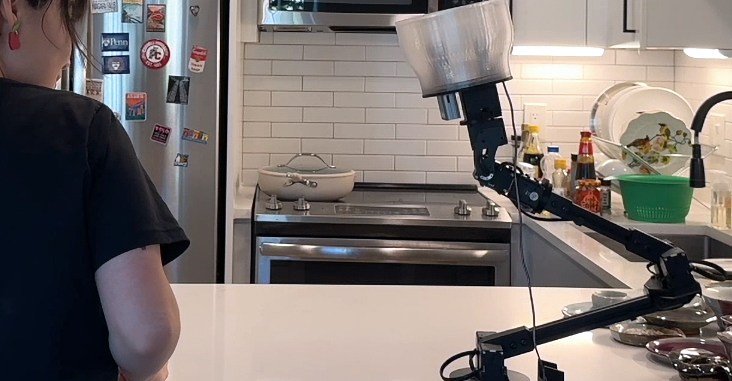
Apple’s vision for the smart home has been expanding for years, but this latest development takes things to another level. The newest research video showcases the robot executing ultra-smooth movements, suggesting that it’s not just about voice commands anymore—it’s about real, physical action.
The video highlights just how impressive this technology has become. The robot moves with an elegance that feels almost human, which is a significant step up from clunky, slow-moving prototypes we’ve seen in the past. Think of a robotic butler that doesn’t just follow orders but anticipates your needs. That’s the future Apple seems to be aiming for.
Why This Changes the Smart Home Game
Apple isn’t just trying to make another robotic vacuum or glorified AI assistant. Instead, it looks like they’re creating something that fully integrates with how we live. Imagine this: You walk into your home after a long day, and instead of barking orders at a smart speaker, your home subtly adapts to your presence.
- The lights adjust, not based on a simple schedule but on how you feel.
- Your favorite music starts playing automatically.
- If you’re holding groceries, your robot might even help carry a bag.
This isn’t just about automation—it’s about intelligence.
Apple’s Approach to a Smarter Smart Home
Apple’s ecosystem has always been about seamless integration, and this smart home robot seems to be another step in that direction. Unlike other devices that require countless apps and setup steps, Apple’s approach tends to be intuitive. You don’t need to learn your smart home; it learns you.
Given that Apple already has a strong foundation with HomeKit, this robot could be the missing piece. It’s easy to imagine it working alongside HomePods, iPhones, and Apple Watches to create an experience that’s not just smart but truly adaptive.
What Makes This Robot Stand Out?
We’ve seen home robots before, but they often fall into two categories: too basic to be useful or overly complex and costly. Apple’s new research suggests they’re aiming to strike that sweet spot between intelligence and ease of use. Here’s what makes this particular robot exciting:
- Smooth, natural movements: No jerky, mechanical motions—this robot moves with fluidity.
- Advanced AI: It’s not just responding to commands but seems to be processing and learning.
- Deep Apple ecosystem integration: If you’ve got an iPhone, chances are this will work seamlessly alongside it.
Wouldn’t it be nice to have a robot that doesn’t feel like a robot? That’s Apple’s goal.
Could This Be the Future of Home Automation?
It’s one thing to have smart lights and voice assistants, but having a smart home robot that actively moves around is a whole new level. If Apple is successful, this could be the moment that home automation stops feeling like a collection of gadgets and starts feeling like a truly intelligent home.
What’s most exciting is that Apple rarely jumps into a product category without a clear vision. They’re not the kind of company that releases a product just to see if it sticks. If they’re putting this much research into a home robot, you can bet they see a future where this kind of technology becomes as common as smartphones.
What’s Next for Apple’s Smart Home Robot?
So, when can we expect to see this in our homes? While there’s no official release date, the research demonstrations suggest Apple is making serious progress. It might still be a few years away from hitting the market, but one thing’s for sure—when it does, it could redefine what a smart home really means.
Would you trust a home robot to help with your daily life? If you’re anything like me, the idea is both exciting and a little surreal. But knowing Apple, they’ll make it feel as natural as picking up an iPhone.
by TechNova | Feb 6, 2025 | Tech Insights
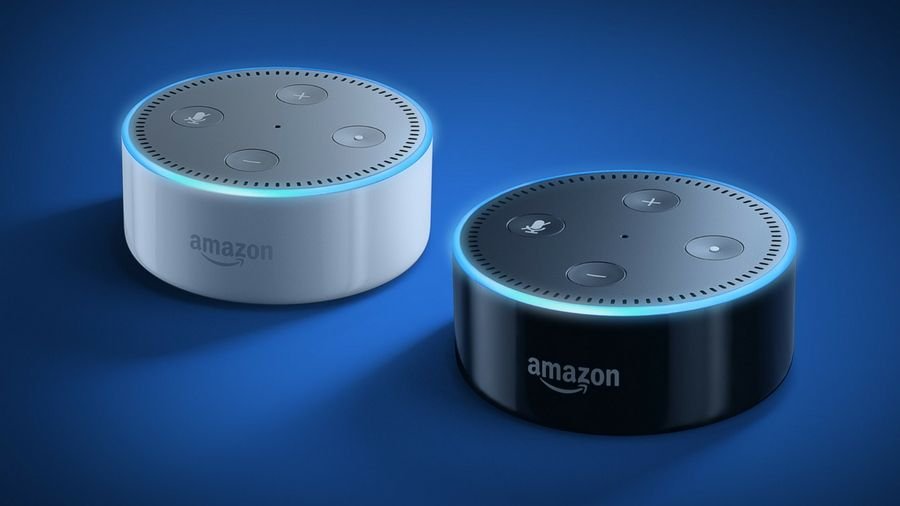
Amazon has been dropping some serious hints lately, and if you’ve been waiting for updates on Alexa AI Features, you’re in for a treat. It looks like a major AI-powered revamp is just around the corner, and this could be the biggest shift we’ve seen in Alexa’s capabilities in years. With AI advancing at lightning speed, Amazon is making sure Alexa doesn’t get left behind.
So, what exactly can we expect from this Alexa upgrade? Will it be smarter, more intuitive, and actually useful in our daily lives? Let’s dive into the details and explore what this next-gen AI could mean for the way we use voice assistants.
Exciting Alexa AI Features to Watch For
Amazon has been pretty tight-lipped about the specifics, but there are a few strong hints about what’s to come. If Alexa is getting an AI-powered upgrade, we’re likely looking at a much smarter, more natural, and even proactive assistant. Here are some features that might make their way into the update:
- More Conversational Responses: Alexa has always been useful, but let’s be honest—her responses can feel robotic. AI upgrades could make interactions feel much more natural and engaging.
- Context Awareness: Instead of treating each command as separate, Alexa might start remembering previous parts of the conversation. That means fewer repeated questions and more fluid discussions.
- Improved Smart Home Integration: Amazon could take Alexa’s abilities to the next level, allowing her to anticipate what you need based on your habits.
- Generative AI Capabilities: There’s a strong possibility that Alexa could start generating responses or even helping with content creation like drafting messages, summarizing news, or offering unique recommendations.
Imagine asking Alexa for dinner ideas, and instead of reciting a basic recipe, she considers what’s in your fridge, what meals you usually like, and what’s trending in the food world. It would make life so much easier, right?
How Alexa AI Will Change Your Daily Routine
The real question is: How will Alexa AI actually make life better? If you’re like me, you probably use Alexa for the basics—playing music, setting timers, and maybe checking the weather. But this update could push Alexa into being something more like a true virtual assistant.
Picture this: You wake up, and instead of just rattling off the news headlines, Alexa connects the dots. She reminds you about an early work meeting, suggests a quicker route due to traffic, tells you it’s going to rain, and even offers to turn on your coffee maker. That’s the level of intelligence that AI-powered Alexa could bring.
Smarter Reminders and Productivity Boosts
We all have those moments where we think, “I need to remember this later…” and then promptly forget. Alexa could evolve into a true productivity assistant, setting up reminders that actually take context into account.
For example, instead of a basic reminder like “Pick up dry cleaning,” Alexa could learn that you usually do this after work and remind you at exactly the right time. She might even suggest stopping somewhere nearby if you’re running errands. Small, thoughtful nudges like that could make a real difference.
Personalized Assistance Like Never Before
One of the most exciting possibilities is how Alexa AI could tailor experiences to you personally. If she starts recognizing your preferences better, everything from your morning news briefing to your evening relaxation routine could be customized.
Maybe you prefer starting your day with motivational podcasts instead of news. Maybe you like winding down with jazz rather than white noise. The smarter Alexa gets, the more she’ll anticipate these things before you even have to ask.
When Will Alexa AI Features Be Available?
The big question everyone’s asking: When will all these features hit our devices? While Amazon hasn’t given an exact release date, all signs point to a launch happening sooner rather than later. With all the AI advancements emerging from competitors, Amazon won’t want to fall behind.
There’s also speculation that some features could roll out gradually, giving Amazon time to test and refine everything before a full release. If you’re eager to get your hands on this new AI-powered Alexa, keep an eye out for announcements—because once it drops, it’s going to change how we interact with smart assistants.
Is Alexa’s AI Revolution Worth the Hype?
At the end of the day, AI is only as good as its practical use in everyday life. If Amazon delivers on these improvements, Alexa could shift from being just a voice-activated tool to something more proactive, thoughtful, and genuinely helpful.
Will this update turn Alexa into the futuristic assistant we’ve all imagined? That remains to be seen. But one thing’s for sure—with AI moving this fast, smart assistants are about to get a whole lot smarter. And honestly? I can’t wait to see what’s next.
by TechNova | Feb 6, 2025 | Tech Insights
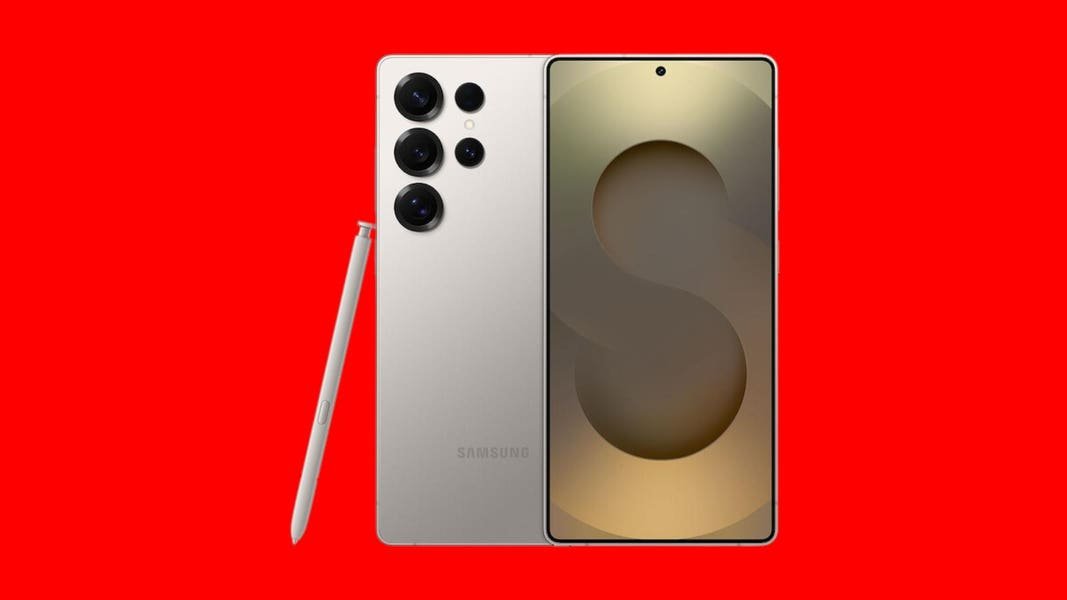
The Samsung Galaxy S25 Ultra has arrived, and wow, does it deliver. If you’re wondering whether this smartphone is worth the hype, you’ve come to the right place. We’re diving deep into the best features, real-world performance, and whether it truly lives up to its flagship status.
The Stunning Design and Display of Samsung Galaxy S25 Ultra
Let’s talk about first impressions—because the S25 Ultra makes a powerful one. Samsung knows how to craft premium devices, and this one feels like a piece of luxury in your hands. The sleek edges, flawless glass finish, and refined aluminum frame make it as stunning as it is sturdy.
A Brighter, Smoother Display
Samsung has always led the game with displays, and this one is no different. The S25 Ultra features a 6.8-inch Dynamic AMOLED 2X display that’s sharper and more vibrant than ever. Whether you’re scrolling through social media, gaming, or watching Netflix, the colors pop like never before.
One of my favorite upgrades? The 2,600-nit peak brightness. Gone are the days of squinting at your phone in direct sunlight. And with a buttery-smooth 120Hz refresh rate, scrolling feels like gliding on ice. Fast, fluid, and effortless.
Performance That Never Backs Down
If you need speed, the Samsung Galaxy S25 Ultra has got you covered. Under the hood, it’s powered by the latest Snapdragon 8 Gen 4 processor (in most markets), making everything feel fast and seamless. Apps launch instantly, gaming is lag-free, and multitasking is effortless.
Handles Everything You Throw at It
Whether you’re editing videos, juggling multiple apps, or diving into a high-intensity game, this phone doesn’t break a sweat. I put it through my own torture test—playing Genshin Impact at max settings while streaming Spotify in the background. Not a single stutter.
And with up to 16GB of RAM, you’ll have plenty of memory to keep apps running smoothly. Even switching between heavy tasks feels lightning-fast.
The Camera Setup: A Photographer’s Dream
A flagship phone isn’t complete without a jaw-dropping camera, and the S25 Ultra absolutely delivers. If you love capturing every moment in stunning detail, this might just be your new best friend.
A 200MP Camera That Captures Every Detail
You read that right—200 megapixels. Samsung isn’t playing around. This sensor captures insane amounts of detail, from the texture of your morning coffee to the city skyline at night.
Low-light photography is also top-tier. With advanced AI processing, the Night Mode produces bright, clear shots even in near darkness. I took a picture in a dimly lit café, and the result looked as if the lights had been turned up.
Periscope Zoom: Get Closer Than Ever
One of the biggest upgrades? The new 5x periscope telephoto lens. While some may miss the old 10x zoom, this one delivers sharper results at a more practical zoom range. Whether you’re capturing wildlife from a distance or getting a close-up of that concert stage, the detail is incredible.
Battery Life That Keeps Up With You
A powerful phone needs a battery that won’t let you down. Luckily, Samsung packed in a 5,500mAh battery, which easily lasts a full day—even for heavy users.
Super-Fast Charging
No one likes waiting around for their phone to charge. The 45W fast charging powers up to 50% in just under 25 minutes. And yes, wireless charging is still here, along with reverse wireless charging for topping up your earbuds or smartwatch.
Should You Buy the Samsung Galaxy S25 Ultra?
At the end of the day, this phone is a powerhouse. It’s got the best of everything—a gorgeous display, lightning-fast performance, an incredible camera, and long battery life.
That said, it’s not cheap. If you don’t need all the bells and whistles, Samsung’s other Galaxy models might be more budget-friendly options. But if you want the best phone Samsung offers (and possibly the best Android phone, period), the S25 Ultra is an easy recommendation.
So, is it worth upgrading? If you’ve got an older device, absolutely. If you’re coming from last year’s S24 Ultra, the improvements are more subtle—but still meaningful if you crave cutting-edge performance and a better camera.
Bottom line: It’s an incredible phone. And if you decide to get one, you won’t regret it.
by TechNova | Feb 5, 2025 | Tech Insights
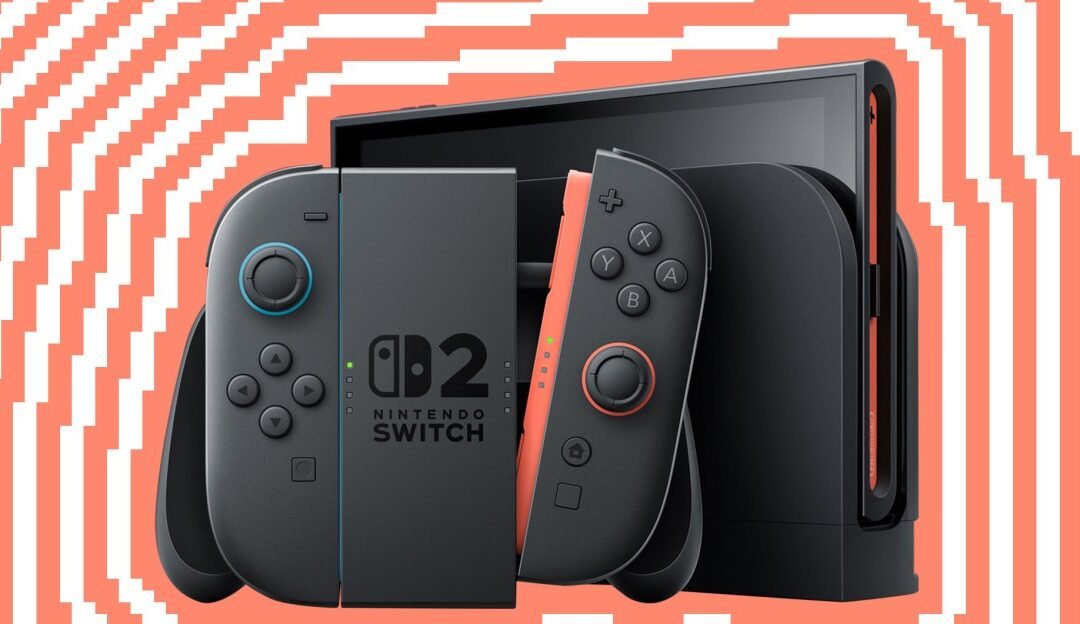
If you’re anything like me, the phrase “Nintendo Switch 2 Direct details and new time revealed” instantly made your heart skip a beat. Yes, it’s happening, and honestly, I couldn’t be more excited! The Nintendo Switch 2—or whatever the final name ends up being—has been one of the most talked-about upcoming consoles for years now. And finally, we’re getting some fresh details straight from Nintendo themselves. So, let’s talk about what we know, what we’re hoping for, and why this could be a massive moment for gamers everywhere.
What We Know About the Nintendo Switch 2 Right Now
Alright, let’s jump into the juicy stuff first: Nintendo recently unveiled that they’ll be hosting a special Direct focused on the Nintendo Switch 2. This means more information is officially on the way, and it’s coming at a specific time that’s got fans buzzing. While the exact details are under wraps, the important part is that the mystery won’t last much longer.
For starters, this isn’t the kind of minor update we’ve seen before. It feels different. This is shaping up to be a full-blown reveal, where we might finally get answers to some big questions. What’s the hardware going to look like? Will it support 4K? Backwards compatibility? Oh, and don’t even get me started on the game lineup—could you imagine a new Zelda or Mario launching alongside it? Stop—it’s too much to process!
Nintendo has also confirmed that the Direct will air at a slightly adjusted time, which kind of makes me laugh because we all know we’re tuning in no matter what hour they pick. It’s Nintendo—you practically drop everything when they make these announcements.
Why the Nintendo Switch 2 Matters So Much
Let’s take a step back and reflect for a moment. The current Nintendo Switch completely changed gaming. You could play handheld on the couch, dock it to your TV, and instantly bring multiplayer fun wherever you went. I mean, I remember packing mine on a whim for an impromptu weekend trip just so my friends and I could battle it out in Mario Kart. It wasn’t just a console—it was a lifestyle.
Fast forward six years (can you believe it’s been that long?), and yeah, the Switch still holds up, but it’s starting to show its age. Compared to the endless powerhouses from Sony and Microsoft, the Switch feels like, well… the little console that could. It’s charming, but it’s lagging behind in power even as it keeps delivering unforgettable experiences. That’s why the arrival of the Nintendo Switch 2 feels like such a big deal. It’s the promise of everything we already love but bigger, stronger, and better.
What Fans Are Hoping For in the Nintendo Switch 2
Now let’s dream a little, shall we? The Nintendo community has been bubbling with speculation about what the Switch 2 could bring to the table, and honestly, I’m right there with them in the hype pool. Here’s a quick list of things we’re all crossing our fingers for:
- Better graphics and performance: Let’s be real, who doesn’t want a buttery-smooth 60fps at 4K resolution? Imagine how gorgeous Breath of the Wild or a new Mario game could look.
- Backwards compatibility: If I can keep playing my old Switch library with zero hassle, it’s a game-changer. Like, don’t make me rebuy Animal Crossing, okay?
- Longer battery life: For us handheld folks, this is HUGE. Having your console die mid-raid in Monster Hunter? Tragic.
- Quality of life upgrades: Joy-Cons aren’t perfect (hello, drift issues), so any improvements there would be *chef’s kiss*.
- Innovative new features: Knowing Nintendo, there’s probably some wild, creative twist they’re saving for the big reveal. AR, VR, holograms? Who even knows. That’s half the fun!
Seriously, just imagine. In a perfect world, this next console delivers all of that and then some. The stakes feel high, but if there’s one thing we know about Nintendo, it’s that they thrive on surprising us.
Mark Your Calendars—The Hype is Real
So, now’s the time to clear your schedule, grab some snacks, and prepare to lose your mind when this Nintendo Direct airs. Whether you’re a diehard Pokémon trainer, a Zelda-lore nerd (hi, same), or just the friend who’s obsessed with overcooked chaos in Overcooked, this announcement probably feels like Christmas morning. And honestly? It’s worth geeking out over.
If the Nintendo Switch 2 lives up to expectations, this could be the start of a whole new era for gaming. Who knows what kind of experiences we’ll get to explore next? There’s nothing quite like that feeling of seeing a shiny new console for the first time—or loading up a launch game and realizing it’s everything you’d hoped for. It’s pure magic.
So, what are you hoping to see from the Nintendo Switch 2? Better online services? A killer lineup of games? Something completely out of left field? I’d love to hear your wishlist. For now, though, let’s count down the days until this Direct and join the rest of the gaming world in wondering: what’s next for Nintendo?
