
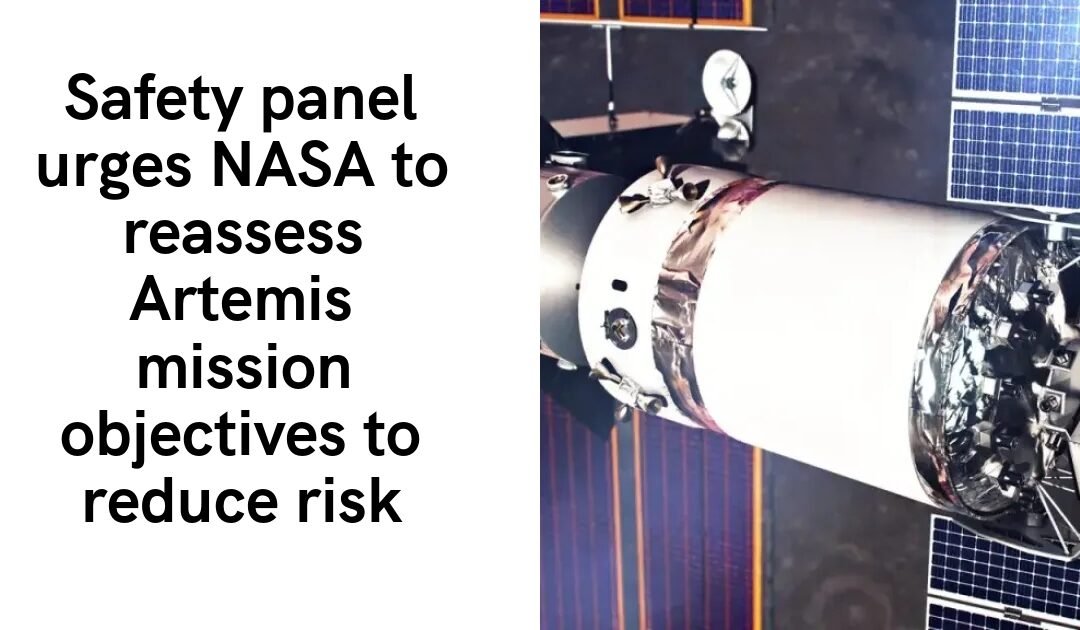
NASA Artemis Mission Risks Prompt Safety Review. Just hearing those words gave me pause. This ambitious mission to return humans to the Moon has captured imaginations worldwide—mine included. But it’s also a stark reminder that space exploration isn’t all glittering moonshots and inspiring photographs. It’s risky. It’s complex. And, apparently, it’s under scrutiny right now for very good reasons. NASA is reevaluating parts of the Artemis mission to keep it as safe as possible, and honestly, I think we need to talk about what that means—for the astronauts, for NASA, and for all of us eagerly watching from Earth.
Why Does Space Exploration Always Come with Risks?
Ever think about what astronauts actually sign up for? Sure, they’re brilliant scientists and highly trained professionals, but they’re also modern-day pioneers, stepping into dangerous and unknown worlds. In the case of Artemis, they’re aiming to take people back to the Moon for the first time in over 50 years. That’s huge! But with big dreams come big risks, and NASA knows that better than anyone.
Every time we send humans into space, there’s the terrifying trifecta of dangers: equipment failure, human error, and the unforgiving environment of space itself. No matter how much technology evolves, these factors won’t simply disappear. And with Artemis aiming to establish a long-term human presence on the Moon, the stakes feel even higher. Would you sleep soundly if you knew you were stepping into an untested spacecraft destined for another celestial body? I’d be up all night replaying every sci-fi disaster movie I’ve ever seen.
NASA Artemis Mission Risks Prompt Safety Review
So, what triggered this safety review? It turns out that members of NASA’s Aerospace Safety Advisory Panel (ASAP) raised concerns about certain elements of Artemis. They’re pushing for a reassessment of some mission objectives to reduce risk. And honestly, thank goodness for them. Safety reviews like this often force us to pause, reflect, and fine-tune before it’s too late.
For one thing, Artemis isn’t just about one trip to the Moon. It’s meant to lay the groundwork for future missions to Mars. That means NASA is juggling a complex mix of short-term and long-term goals. The pressure to deliver results is enormous, and, let’s be real, sometimes that kind of pressure can lead to cutting corners. I’m not saying NASA would ever take a cavalier approach to safety, but history has reminded us—more than once—that it’s better to be over-prepared than under-prepared when it comes to space travel.
What’s at Stake with Artemis?
This isn’t just any old mission. Artemis is supposed to be the first step toward building a sustainable human presence on the Moon, which is wild if you really think about it. Sustainability in space? That sounds more like a sci-fi plot than a practical reality. But NASA isn’t messing around. They want to create a Moon base where astronauts can live, conduct research, and do the heavy lifting for future Mars exploration.
Let me paint a picture: Artemis involves a mix of super-high-tech spacecraft, landing systems, and space habitats. This all sounds groundbreaking, right? But every single component has to work perfectly—or at least as close to perfectly as humanly possible—because one small miscalculation could mean disaster. The fact that NASA is doubling back to reassess shows they’re being proactive, which, to me, feels responsible rather than worrisome.
To break it down, here’s what’s on the line with Artemis:
- Human lives: Let’s start with the obvious. A single astronaut’s safety is worth more than any lunar milestone.
- Billions of dollars: This mission has a jaw-dropping budget, and no one wants to see that money go to waste.
- Public confidence: NASA’s reputation rides on the success of Artemis, especially after so much anticipation.
- Science and exploration: If something goes wrong, we risk delaying the Moon-to-Mars pipeline indefinitely.
Any one of those stakes is reason enough to take a step back and reevaluate.
What Can NASA Learn from the Past?
If history teaches us anything about space exploration, it’s that safety always has to come first. Think about the tragedies of the Space Shuttle Challenger and Columbia. Those moments were heartbreaking reminders that oversight and overconfidence can have catastrophic consequences. Nobody wants to see that happen again—not NASA, not the astronauts, and certainly not those of us cheering them on from the sidelines.
This review isn’t a bad sign. It’s encouraging, actually! It means NASA is listening to its advisors and doing the responsible thing by slowing down and keeping human life front and center. I think we could all take a lesson from that—sometimes, when you’re rushing toward a dream, the best thing you can do is pause and make sure every step is rock solid before moving ahead.
What Does This Mean for the Future of Artemis?
Here’s the thing: Artemis is going to happen, but it might not look exactly like the original game plan. And that’s okay. If NASA adjusts the timeline or changes the mission objectives to address these safety concerns, it’s not a setback—it’s smart planning. Wouldn’t you rather wait a little longer for success than rush into something blindly?
In the grand scheme of space exploration, patience is key. The Moon isn’t going anywhere (not for another few billion years, anyway), and I’d much rather see NASA take its time to get it right. Plus, every challenge they face now will help them prepare for even greater challenges down the road, like the eventual Mars missions. I mean, if we can’t get to the Moon safely and sustainably, how are we supposed to conquer an entirely different planet?
Why We Should All Be Watching
Honestly, I think the Artemis mission embodies the best of what humanity is capable of. It’s a mix of curiosity, courage, and innovation, with a healthy dose of risk management sprinkled on top. Watching NASA tackle this mission is like following your favorite sports team—you’ve got your highs and lows, nail-biting moments, and celebrations. But at the end of the day, it’s about teamwork, perseverance, and the pursuit of something bigger than ourselves.
So, whether you’re a space nerd like me or just someone who occasionally glances at the stars, keep an eye on Artemis. These bold missions remind us of what’s possible when we dream big, think critically, and look out for one another. Because if there’s one thing I believe, it’s this: humanity’s next big leap won’t just change our view of the Moon—it’ll change how we see ourselves, too.