
Elon Musk Satellites Enable Global Phone Calls. Let’s take a moment to appreciate the extraordinary sentence I just typed—it sounds like something out of a sci-fi movie, doesn’t it? But here we are, living in a world where this is no longer science fiction. Thanks to Elon Musk’s Starlink satellite network, you can now make phone calls from virtually anywhere on Earth, even those remote spots where cell towers are barely a dream. This development is nothing short of revolutionary, and it’s completely changing how we stay connected with each other.
Imagine hiking in the middle of nowhere, totally off-grid—no Wi-Fi, no cell signal. That used to mean you couldn’t call anyone even if you wanted to. Now? All you’d need is a smartphone that can tap into Musk’s satellite system, and boom, you’re chatting away like you’re standing in your living room. It feels almost magical, yet it’s all grounded in some serious tech wizardry. But how exactly did we get to this point, and what does it mean for our everyday lives?
How Elon Musk Satellites Enable Global Phone Calls
Let’s break this down a bit. Traditional mobile networks rely on ground-based cell towers to provide coverage, right? Pretty simple. But here’s the snag: cell towers only cover regions where they’re physically installed. This means rural areas, mountains, deserts, and vast stretches of ocean are practically dead zones. That’s where Musk’s satellites come in to shake up the game entirely.
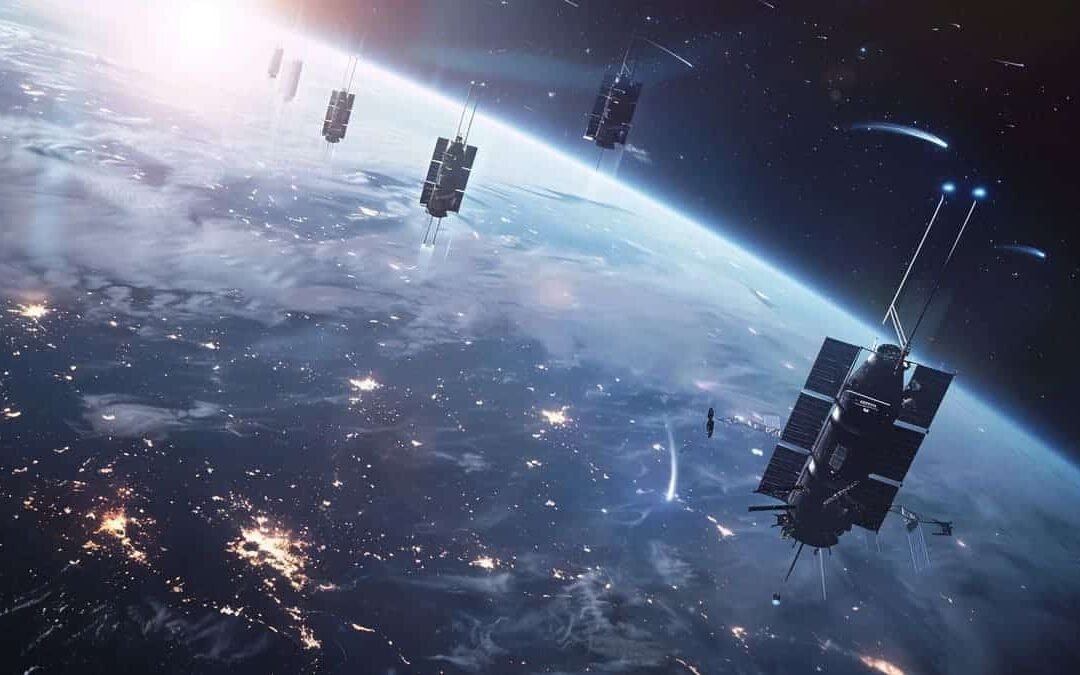
Instead of relying on ground infrastructure, Starlink satellites orbit the Earth in low Earth orbit (LEO)—thousands of them, creating what’s called a “satellite constellation.” These satellites beam internet (and now, phone service!) directly to your device. It’s an elegant solution to a messy problem. No cell towers? No problem. Thanks to the satellite network, you’re covered wherever you are on the globe.
But let’s not overlook just how daring this whole concept is. The sheer scale of deploying thousands of satellites into space is mind-blowing. Think of it like throwing a massive blanket over the entire Earth, ensuring there’s a steady connection no matter where life takes you. And this isn’t just good news for adventurous souls climbing Everest; it’s a lifeline for millions in rural or underserved areas who’ve never had reliable communication before.
What This Means for You and Me
Alright, so how does this change your life? Well, for starters, you won’t ever need to worry about being out of reach, whether you’re road-tripping across the country, backpacking through a remote jungle, or even working on a research vessel in the middle of the ocean. It’s a whole new level of convenience and peace of mind.
For frequent travelers like me—it’s a godsend. True story: I once spent hours trekking up a hill in rural Vietnam to find cell coverage so I could make a quick call home. It was exhausting! Had this satellite technology existed back then, I could’ve made that call from any spot I chose. No hill climbing required.
And it’s not just for adventurers or people in far-flung corners of the Earth. Even in developed countries, we’ve all encountered those dreaded dead zones—usually when you desperately need to make an important call. This could redefine how we use our smartphones and erase those annoying “No Service” messages for good. Seriously, can you imagine never losing service again? Wild.
Why Elon Musk Satellites Enable Global Phone Calls Is a Big Deal
Okay, I know what you might be thinking: “Cool, but do I *really* need this?” Here’s why it matters even if you spend 99% of your time in well-covered areas.
- Emergency Situations: In natural disasters or emergencies, regular communication infrastructure often fails. Satellites don’t. This tech could be the difference between life and death when you need urgent assistance.
- Universal Access: Millions of people still live in parts of the world where internet or phone service isn’t an option. This levels the playing field, finally giving everyone access to communication tools we’ve taken for granted.
- Business Innovation: Industries like shipping, aviation, and tourism will thrive with global connectivity. Picture cruise ships offering seamless phone service in the middle of the ocean.
- Environmental Monitoring: Scientists and researchers in isolated areas can stay connected while keeping an eye on the planet’s health. That’s huge for climate change studies, wildlife conservation, and more.
What I love most about this, though, is how it opens up the world. No matter where you go, connections are always at your fingertips—not just in a practical sense, but socially and emotionally. You can feel closer to the people you love, even if you’re physically far apart. Isn’t that what technology should be all about?
When Can You Start Using It?
Ah, the big question! While elements of this technology are already being rolled out, it’s not yet as simple as picking up any old phone and dialing via satellite. You’ll likely need devices with the ability to connect directly to Starlink (or similar networks), and those are slowly emerging in the market. Companies like T-Mobile have announced partnerships to bake satellite connectivity into their services, so it’s safe to say this tech will only become more mainstream and user-friendly.
As for cost? It’s hard to say just yet. Early adopters might see higher price tags, but as we’ve seen with most new tech (I’m looking at you, smartphones and flat-screen TVs), the cost will probably drop as more companies enter the game. So, if it’s a bit too pricey right now, don’t worry—it’ll likely become more accessible in the not-too-distant future.
But honestly, even at a higher price point, the idea of being able to call from truly anywhere is pretty irresistible to anyone who’s ever been stuck without service. It’s moments like these where I realize just how much technology is bringing us all closer together—and how lucky we are to witness it.
The Bottom Line
Elon Musk Satellites Enable Global Phone Calls—not just as a headline but as a very real shift in how we stay connected. It’s thrilling to think about the doors this technology is opening for people around the world. Whether you’re a global traveler, a scientist in the Arctic, or just someone who’s tired of losing signal halfway home, this is a game-changer in every sense of the word.
Musk has always been a dreamer, but more importantly, he’s someone who executes on those dreams. And while the future might still hold a few technical hurdles to clear, I can’t help but feel a bit giddy wondering where this innovation will take us next. What about you? Are you ready to leave dead zones behind for good? I know I am.