
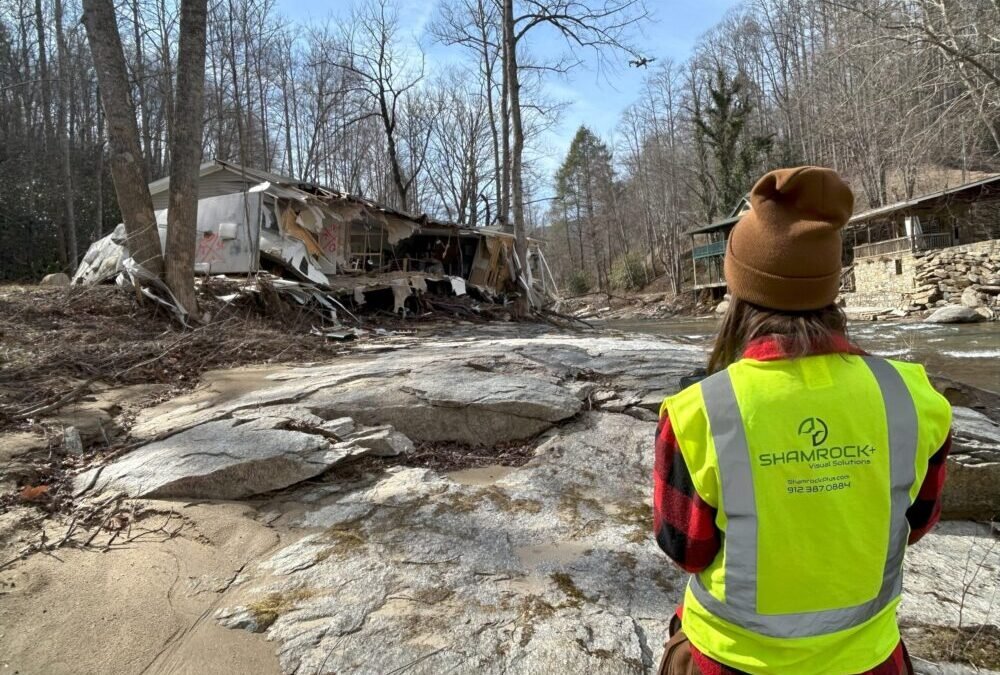
Drone technology speeds up Hurricane Helene recovery efforts, offering a lifeline to communities hit the hardest. When nature unleashes chaos, the road to normalcy can feel endless. But thanks to drones, aid arrives faster, assessments happen in real time, and people get the help they need without unnecessary delays. It’s incredible to see how far technology has come—bringing hope after the storm.
How Drone Technology Speeds Up Disaster Recovery
Recovery after a hurricane is tough. Roads are often blocked, homes are damaged, and power lines are down. Traditional methods of assessing damage take too long, which slows down the response. That’s where drones come in. Instead of waiting for ground teams to navigate debris-filled streets, drones can provide aerial views instantly. First responders use this data to prioritize where help is needed most.
Think of drones as floating problem solvers. They fly over affected areas, capturing high-resolution images and mapping out destruction in ways that were once impossible. Rescue teams get immediate insights without risking lives. In a crisis, that kind of speed is priceless.
The Many Ways Drones Help After a Hurricane
Drones aren’t just flying cameras—they’re multi-purpose tools that play a significant role in disaster relief. Here’s how they’re making an impact after Hurricane Helene:
- Damage Assessments: Within hours of the storm passing, drones provide detailed visuals of wrecked buildings, flooded streets, and fallen trees. This helps emergency teams know exactly where to go first.
- Search and Rescue: In isolated areas where roads are impassable, drones help locate stranded survivors. Thermal imaging cameras make it easier to find people trapped under debris.
- Supply Delivery: Some drones are equipped to carry small but essential items, such as medical supplies, food, and water. For those cut off from help, this can be the difference between survival and disaster.
- Restoring Communication: After a hurricane, cell towers can be destroyed, leaving people disconnected. Special drones create temporary network coverage, allowing emergency teams and survivors to stay in touch.
The combination of speed and efficiency makes drones a game changer in disaster relief. Without them, recovery would take much longer, and lives could be at greater risk.
Drone Technology Speeds Up Insurance Claims
One of the most frustrating parts of hurricane recovery is dealing with insurance claims. People need to rebuild quickly, but waiting weeks for an adjuster to inspect damages can slow everything down. That’s where drones come in.
Instead of relying on manual inspections, many insurance companies now use drones to assess property damage. A drone can scan a roof or a flooded neighborhood in minutes, providing detailed reports that speed up claims processing. For homeowners desperate to rebuild, this is a huge relief.
Imagine losing your home to a storm and then having to wait months for financial help. With drone technology, that wait time gets significantly shorter. And it’s not just homeowners who benefit—businesses, local municipalities, and emergency services all rely on quick assessments to move forward after a hurricane.
Real Stories: Drones in Action After Hurricane Helene
Hearing how drone technology is used is one thing, but seeing the impact firsthand is another. Take North Carolina, for example, where Hurricane Helene left entire communities in chaos. Roads were washed out, power was lost, and reaching certain areas became nearly impossible.
Emergency crews used drones to scout hard-hit neighborhoods. Instead of sending out teams blindly, they relied on aerial footage to pinpoint urgent needs. In one case, a stranded family was found on their rooftop, waving for help. Without a drone spotting them, it could have taken hours—maybe even days—for rescue teams to arrive.
Local power companies also deployed drones to inspect damaged power lines. This allowed them to restore electricity faster without putting workers in dangerous situations. In times of crisis, every second counts, and drones helped shave hours, even days, off recovery efforts.
The Future of Drone Technology in Disaster Relief
As drones continue to evolve, their role in disaster relief will only grow. Newer models come with longer battery life, stronger AI-powered analytics, and even the ability to detect structural weaknesses before they collapse. Imagine a world where drones assess damages, deliver supplies, and even assist in rebuilding—all autonomously. It’s not as far off as it sounds.
Governments and emergency agencies are already investing in drone programs to improve disaster response times. The more we integrate drones into relief efforts, the faster communities can recover when tragedy strikes.
Final Thoughts: A Brighter Future After the Storm
Natural disasters are devastating, but technology gives us hope. Thanks to drones, relief efforts after Hurricane Helene were faster, smarter, and safer. Whether it’s damage assessments, search and rescue missions, or delivering essential supplies, drones are proving to be invaluable tools in emergency response.
Looking ahead, it’s clear that drones will play an even bigger role in disaster recovery. Their ability to provide instant, actionable data is something we simply can’t ignore. And when the next storm hits, these small but mighty machines will be ready to help once again.
What are your thoughts on the use of drones in disaster relief? Have you seen them in action before? I’d love to hear your perspective in the comments.