
by TechNova | Oct 24, 2025 | Tech Insights
If you’ve been waiting to snag your pass to this year’s startup mecca, the TechCrunch Disrupt 2025 San Francisco ticket deadline is officially knocking on your door. And, spoiler alert — prices go up real soon. Yep, that means just a few more days before those sweet early-bird rates are gone. So if you’ve been on the fence, it’s time to make a choice.
I’ve been to Disrupt before, and I can honestly say there’s nothing quite like it. The energy? Electric. The ideas? Wildly creative. The people? Equal parts brilliant and scrappy. TechCrunch Disrupt 2025 promises to be bigger and bolder than ever, and missing out would seriously sting.
Why TechCrunch Disrupt 2025 in San Francisco Is Worth Every Penny
First off, let’s just acknowledge the obvious: traveling to a major conference can be a chunk of change. Between hotels, flights, snacks (those add up fast), and the ticket itself — it’s an investment. But here’s the thing. Disrupt isn’t your average tech event. It’s an ecosystem.
Startups, investors, media, and dreamers all collide at the Moscone Center in SF this October. Want face time with a VC you’ve been stalking on Twitter? There’s a good chance they’ll be walking the exhibitor floor. Have a startup idea brewing? You’ll leave with notes, contacts, and maybe even a co-founder. These moments are what make the price tag make sense.
And if networking’s not your jam, that’s cool too — some of my favorite moments last year were just chilling in the audience, notebook in hand, listening to founders and tech leaders get raw about their wins *and* missteps. It’s like startup church for the soul.
Final 4 Days Before Ticket Prices Go Up
So here’s the scoop: we’ve got exactly four days until ticket rates climb. That’s a tiny window. And trust me, I’ve played the “wait until the last second” game before — more than once, actually — and paid for it (literally).
If you already know you want to go, don’t overthink it. Grab that ticket now, secure your spot, and thank yourself later. It saves money, sure — but it also locks in your intention. It tells Future You, “Hey, we’re doing this.”
There’s something magical about that kind of commitment. It gives you time to prep, reach out to fellow attendees, and even think about how you want to show up — mentally and professionally — when October rolls around.
What to Expect at TechCrunch Disrupt 2025
Let’s get into the good stuff: what makes TechCrunch Disrupt 2025 worth showing up for?
- The Startup Battlefield 200: This is the real-life Hunger Games for startups (minus the arrows). Watch early-stage companies pitch for visibility, cash, and validation.
- Incredible Speakers: Names haven’t all dropped yet, but if past years are any hint — legends, unicorn-makers, and tech rebels will all hit the stage.
- Hands-On Demos: Touch, test, and explore the future. From climate tech to robotics, there’s usually something that makes your jaw drop.
- Meet the Makers: Product people, devs, and idea-havers are everywhere. You’ll leave with new perspectives, and maybe a few new friends.
The vibe is fast, sometimes chaotic — but always inspiring. I swear, even standing in line at the coffee cart can lead to a lightbulb moment.
How to Plan for TechCrunch Disrupt 2025 Without Burning Out
If you’re like me, big conferences can be a lot. It’s tempting to try and do *everything*. But here’s a tip from the trenches: don’t.
What’s helped me most is building a super simple game plan. Three goals. That’s it. Maybe it’s:
- Attend a certain panel
- Connect with someone in a specific niche
- And have at least one real conversation, not just a LinkedIn swap
Keep it easy, light, and human. Let the conference unfold around those pillars, and you’ll feel way more grounded amid the chaos.
Still Debating? Ask Yourself This
Are you building something? Dreaming of building something? Just hungry to understand where tech is going next? Then yeah, you probably belong at Disrupt.
It’s not about being a tech insider. Some of the best convos I had last year were with people totally new to the game — folks who were just curious, thinkers kicking the tires of new ideas.
Plus, there’s something empowering about being in a room where crazy ideas are welcomed, not eye-rolled. It rubs off on you. It did for me.
Grab Your TechCrunch Disrupt 2025 Ticket While It’s Still Cheap
This is your friendly nudge: prices are going up in just a few days. That’s not fear-mongering — that’s facts. And if I’m honest, some of my best career pivots happened because I leaned into opportunities like this and showed up.
Seriously, I can trace a whole handful of wins — partnerships, clients, new friends — back to a moment at Disrupt when I just said “why not?”
So decide today. Not later. Not “maybe if I have time.” If it’s even slightly on your radar, just take the leap. The ticket increase will sneak up fast, and it’s always nicer to go in knowing you got the best deal.
Pack the hoodie, polish up your pitch (internally or actually), and get ready. October is going to be wild in the best way — and you’re totally invited.

by TechNova | Oct 23, 2025 | Tech Insights
When I first heard about the Apple iPhone spyware attack on a security researcher, my stomach sank a little. Not just because someone’s phone was silently compromised, but because this “someone” was a seasoned exploit developer—exactly the kind of person you’d expect to be immune to such things. If the pros are getting targeted, what does that mean for the rest of us?
This attack shines a harsh light on how sophisticated and persistent Apple iPhone spyware has become, especially when it’s backed by government-level actors. It’s a creepy reminder that no one’s device is truly off-limits anymore—not even an iPhone, which many people see as a digital fortress.
The Chilling Reality of Government-Grade iPhone Spyware
Let’s get into the details here. According to the incident, the target was a well-known security researcher who works directly with exploits—those little cracks in software that hackers (and governments) love to find. Apple apparently reached out directly to alert him that his iPhone had likely been tagged by a government spyware campaign.
Now, what hits me hard about this is the level of silence around it. The researcher doesn’t even know exactly how the attackers gained access. There’s speculation that it may have been through a zero-day exploit—a flaw in the system no one knew existed until it was used. That’s like finding out someone’s been using a secret backdoor into your house for weeks without you ever hearing the creak of the hinges.
Oh, and get this—the researcher had security measures in place. He didn’t just leave his digital front door wide open. This shows how stealthy and advanced these attacks have become.
What Does Apple iPhone Spyware Actually Do?
Great question, right? Spyware isn’t always about draining your battery or slowing your phone to a crawl. Modern spyware, the type involved in this case, is like a digital ninja.
- It can access your text messages and emails.
- It may eavesdrop on your calls—even encrypted ones.
- It might track your location in real time.
- And it could even turn on your camera or mic without you knowing.
Basically, if you can do it on your phone, so can the spyware. And if that doesn’t send a little chill down your spine, I don’t know what will.
Is iPhone Security Slipping?
I’ve always trusted Apple’s commitment to user privacy. When you buy an iPhone, you’re also buying into its reputation as the most secure mainstream smartphone out there. But this spyware attack makes it clear: even Apple isn’t impenetrable.
To be fair, Apple responded quickly and stepped up by notifying the researcher. The company’s system apparently detected “state-sponsored attackers,” and they’ve even built these detection alerts into their security protocol. That’s admirable—but also alarming. It means they expect this to happen again. Often.
I can’t help but feel a little vulnerable. I use my phone for everything—photos, finances, texts with my family. What if I were targeted and had no idea? Just because we’re not developers or activists doesn’t mean we’re safe. Some spyware campaigns are less about revenge and more about information harvesting on a mass scale.
Steps You Can Take to Protect Yourself
Okay, let’s shift gears. What can you actually do about this? While you can’t stop a super-charged cyber weapon from targeting you specifically (unless you’re living under a rock), you can drastically reduce your risk. Here’s what I recommend:
- Keep your iPhone updated: I know the update pop-ups are annoying. But trust me, those updates usually patch security holes hackers love to crawl through.
- Limit app permissions: If a weather app wants access to your microphone, something’s fishy. Prune your app permissions regularly.
- Avoid sketchy links: If something feels off about a text or email, don’t click. It’s too easy to fall into a trap.
- Turn on Lockdown Mode: Apple added this for high-risk targets like journalists and activists, but anyone can use it. It sharply limits certain device behaviors to close off attack surfaces.
- Use hardware authentication when possible: Instead of relying solely on face or fingerprint recognition, add a physical two-factor key. It’s a bit extra, but it works.
None of this makes you invincible. But each layer you add makes you a tougher target, and that can be enough to dissuade attackers looking for easy prey.
Why the Apple iPhone Spyware Case Hits So Hard
I think what really gets to me is how personal this feels. Phones aren’t just tools—they’re extensions of ourselves. My iPhone holds birthday reminders, Spotify playlists, goofy selfies from late nights. It’s where I write my blog posts when inspiration hits me mid-coffee break. Knowing that even the most locked-down iPhones can be opened up by powerful spyware feels like someone peeking through your curtains without your permission.
This case is also a reminder that these threats are no longer hypothetical. They’re here, now, impacting real people in quiet, insidious ways. And while most of us won’t ever be prime targets, that doesn’t mean we’re untouchable.
Stay Informed, Not Paranoid
Here’s the thing: it’s easy to spiral when you hear about all this. You start wondering if your phone is secretly watching you. Your camera light blinks, and suddenly you’re in full conspiracy mode. I’ve been there, especially after reading stories like this.
But let’s keep our heads. This isn’t a call to ditch your phone and go live in a cave. It’s just a reminder to be smart. Be intentional. Install updates, avoid random links, and maybe even check your device settings more often than usual.
This whole episode is a wake-up call—not to become scared, but to become aware.
Tech isn’t going anywhere. And honestly, I wouldn’t want it to. Our phones are amazing. But we can’t afford to be naive about the risks that come with that convenience. You don’t need to be a security researcher to take your privacy seriously.
Stay curious and stay cautious, my friends. And never assume you’re too small or “unimportant” to be a target. Because the moment you do—that’s when you’re most vulnerable.

by TechNova | Oct 23, 2025 | Tech Insights
Big news is buzzing in the tech world—Codi AI Office Manager just launched with a16z backing, and honestly, it feels like one of those moments where you can see the future accelerating right before your eyes. The trailblazing tool, known simply as Codi AI Office, is taking a swing at one of the most underappreciated roles in the professional world: the office manager.
I’ll be honest—when I first heard about Codi, I thought, “Here we go, another AI trying to replace something deeply human.” But once I dug deeper (and spent a good chunk of my coffee break reading about its features), I realized it’s not about replacing people—it’s about making life smoother, smarter, and less chaotic for people trying to manage teams and spaces. And you know what? That’s a mission I can get behind.
What Is Codi AI Office and Why Should You Care?
Let’s start with the basics. Codi AI Office is an AI-powered office manager. Not just a chatbot or a scheduling app, but a comprehensive AI agent that handles everything from coordinating hybrid schedules to managing office supplies and even onboarding new hires. It’s like having the most efficient, unflappable admin assistant—minus the burnout.
Backed by Andreessen Horowitz (yes, a16z, the same VC giants who were early believers in Facebook and Airbnb), Codi isn’t just a startup playing with AI—it’s got serious momentum. And for good reason.
Imagine this: You’re responsible for a hybrid team scattered across time zones. Half the team is in-house some days, others are fully remote, and there’s always a pile of tasks juggling office logistics. Instead of crying into your planner, Codi steps in.
- Auto-coordinates hybrid attendance so no one’s solo at the office (unless they want to be).
- Predicts supply needs—like knowing before you do that yes, the coffee pods are running low again.
- Onboards new hires by guiding them through company tools, policies, and workflows.
It’s like Codi’s been quietly watching the chaos of office life and decided, “Hey, I got this.”
How Codi AI Office Stands Out From the Tech Crowd
If you’ve used Slack plugins or calendar bots, you might be thinking, “Okay, sounds helpful—but how is this different?” Trust me, I had the same question. But here’s where Codi flexes its muscles:
This isn’t just automation; this is adaptation. Codi doesn’t spit out the same responses with every interaction. It learns your patterns, your team’s rhythm, and even adjusts based on goals or workstyle shifts. That’s a big freaking deal.
Let me give you a small example. I once worked in a co-working space where managing desk schedules was like playing musical chairs blindfolded. People booked rooms and didn’t show. Desks were overbooked. It caused endless friction. A tool like Codi would’ve solved that in, like, five email threads less.
The Human Side of Running an Office—Now with Codi AI
We don’t talk enough about how much invisible emotional labor office managers do. They’re the unsung heroes keeping the coffee fresh, onboarding the interns, calming the panicked Slack messages, and somehow ordering birthday cakes. They’re part logisticians, part therapists, and part magicians.
What I appreciate is that Codi doesn’t try to erase that. Instead, it frees up that human energy. So maybe an office manager doesn’t burn out managing spreadsheets and lunch orders. They can focus on what really matters—building team culture, making people feel welcome, and actually having the bandwidth to enjoy their jobs.
It’s not just for big corporations, either. Even smaller teams, remote collectives, and startups stuck in that “not big enough for HR but too big to wing it” phase could seriously benefit from this kind of backup.
Inside the Minds Behind Codi AI Office
The team that created Codi clearly understands the day-to-day friction of modern work. They’re not just coders in a lab—they’ve built something that feels grounded in empathy. Maybe that’s why I found the a16z investment so interesting. It’s not just about fancy algorithms; it’s about solving problems that actually slow people down and cause burnout across all levels of a company.
Even the way Codi talks to users is calmer. More human. It’s not all “inputs and computational logic.” It’s asking, “Hey, want me to schedule that for you?” And when a bot speaks my language, I’ll be honest—I’m way likelier to say yes.
Codi Is a Glimpse at What AI Should Be
Let’s be real for a second: AI sometimes feels like it’s creeping into spaces it doesn’t belong, right? Writing poems. Making art. Trying to be creative in ways that still feel…off. But something about Codi AI Office feels right. It’s practical, service-oriented, and doesn’t pretend it’ll replace human warmth or instincts.
This? This is the future I want. Where tech supports people, not sidelines them.
Should You Try Codi AI Office?
If you lead a team, share a workspace, or even just find yourself constantly organizing digital chaos, Codi might be worth exploring. No, it won’t wash your dishes or untangle holiday lights. But it’ll handle enough low-grade stress that you might start your day with one less sigh.
For companies scaling fast, or pivoting into hybrid models, this kind of support can be the thing that keeps them sane. And even for solo entrepreneurs managing contractors or freelancers, it could be like having a team of one become two.
- Tired of double-booked meeting rooms?
- Need help finding trends in your calendar usage?
- Just want a virtual assistant that actually knows your workflow?
Yep—Codi might be your new best friend.
The Takeaway on Codi AI Office
I’ve always believed that the best technology works quietly. It fades into the background, greasing gears and cutting through clutter so we can focus on the stuff we actually care about. After looking into how quickly Codi AI Office is scaling and how thoughtfully it’s been built, I get the feeling this isn’t a passing trend—it’s something that’s going to stick around.
So maybe the future of office management isn’t a stressed-out team coordinator juggling twelve apps. Maybe it’s one smooth AI tool running the show behind the scenes—making sure things just work.
Call me an optimist, but with backing from the likes of a16z and a solid purpose behind it, Codi doesn’t just feel like another tech tool. It feels like help—real, tangible help—for the messy, delightful, overwhelming human experience that is modern work.

by TechNova | Oct 22, 2025 | Tech Insights
Yesterday’s Amazon Web Services outage, caused by a DNS error, brought a huge chunk of the internet to its knees—and yeah, we all felt it. Whether you were trying to stream your favorite show, load up your work dashboards, or just refresh your email, chances are something broke. Even if you’re not exactly sure what DNS is (been there), one thing was clear: Amazon’s web backbone had a very bad day.
As someone who leans heavily on Amazon Web Services for daily tasks—both in work and life—watching my digital world freeze up was a bit like having a power outage when you’re about to make toast. I stared at my screen, waiting for some sign of movement, quietly hoping it wasn’t just my Wi-Fi acting up… again.
What Actually Happened With Amazon Web Services?
If you’ve ever tried loading a page and instead got the dreaded “Hmm, can’t reach this site” message, it’s probably due to something like this. Yesterday, AWS experienced a massive disruption tied to its DNS service—a kind of digital phone book that helps your browser find websites. Without it, you’re pretty much lost online. And that’s exactly what happened.
According to Amazon’s own internal investigation, the issue began with a botched update to their Domain Name System. Normally, DNS is quietly humming in the background, directing billions of requests a day. But when AWS’s version of that system hiccuped, it suddenly couldn’t handle all the traffic being thrown at it. The result? A cascading failure that affected services relying on their cloud, from retail giants to tiny startups and personal blogs like mine.
I’m serious—yesterday, my website loaded like it was built on dial-up. And for about three hours, I was panicking more than I’d like to admit.
How It Impacted More Than Just Techies
The wild thing is, you didn’t need to be a tech person to feel those ripple effects. This wasn’t just about developers staring at error logs (though they were definitely sweating bullets). Tons of everyday apps and websites were suddenly inaccessible, demonstrating just how deeply entwined Amazon Web Services is with modern life. We’re talking:
- Smart home devices that stopped responding (yep, Alexa went silent for a while)
- News outlets that couldn’t load their front pages
- Food delivery apps that couldn’t connect with their platforms
- Online shopping carts that crashed mid-checkout
I got texts from three different friends—none of whom work in tech—asking if the internet was broken. When that happens, you know it’s big.
Why Amazon Web Services Outages Shake the Internet
You might be wondering: why does one company’s DNS issue create such widespread mayhem? It’s all about scale. AWS powers a massive portion of the web. From data storage to computing tasks to content delivery, AWS is like the invisible scaffolding holding digital life together.
Think of it like a highway system. AWS is the turnpike that connects city after city. When there’s a crash on one section, traffic backs up everywhere. And while Amazon has layers of redundancy and strong performance on most days, even they can trip up. Yesterday’s outage lasted a few tense hours—an eternity in internet time.
Who Felt the Burn the Most?
While casual users might’ve only noticed slow loading times or non-responsive apps, businesses took a bigger hit. We’re talking lost sales, reputation bumps, and frustrated customers typing in all caps.
For small e-commerce sites hosted through AWS, transactions failed. I’ve got a friend who runs an independent candle shop (yep, scented candles with punny names), and she texted me freaking out. Her site wouldn’t process payments, and she thought she’d done something wrong. Turns out, it wasn’t her—just the Achilles’ heel of modern cloud reliance acting up.
Larger companies felt the pain too. If their analytics went down or real-time communication with clients was interrupted, they had to pivot fast. It’s like losing your map while driving through a city you’ve never been to. You’re not totally doomed, but it’s going to be a frustrating ride.
Is AWS Still Reliable After This?
Honestly? Yes. Despite yesterday’s drama, Amazon Web Services remains one of the most stable and widely trusted cloud platforms out there. That doesn’t mean they’re invincible, but it does mean they learn from failures fast. In this case, Amazon said they’ve already implemented fixes and are conducting a thorough review to prevent it from happening again.
Still, situations like this shine a light on how centralized infrastructure can become a single point of failure. More companies are now talking seriously about multi-cloud strategies—basically spreading out their digital operations across several providers instead of relying on one giant. Seems like a smart move, especially as AI, data, and everything else online grows more entwined.
How Can We Prepare for Future Outages?
If you’re not a business owner or tech pro, is there anything you can do? Actually, there is. Consider:
- Having backups: Whether it’s local copies of important files or alternate ways to access your tools, backups are your best friend.
- Monitoring status dashboards: Most major providers have a public page showing when things go south.
- Patience and humor: Ok, maybe this one’s more mindset than action, but sometimes you just have to laugh and take a coffee break.
Yesterday I took the unplanned downtime to go for a walk. And you know what? The offline world was still pretty great. Birds chirping, actual sunshine—not a bad trade for a couple frozen screens.
Final Thoughts on the Amazon Web Services Outage
In the end, the Amazon Web Services DNS issue was frustrating, no doubt. But it also served as a reminder: we’re incredibly dependent on invisible tech working exactly the way it should every second. When it doesn’t—well, things get weird fast.
But hey, outages happen. The key is how we bounce back. Amazon did resolve the issue relatively quickly, and most services got up and running with minimal lasting damage. More importantly, it sparked conversations—about infrastructure, resilience, and not putting all our digital eggs in one basket.
If there’s anything I’ve learned in years of blogging and navigating the tech landscape, it’s this: the internet is a beautiful mess built on trust and timing. And when it breaks? Hopefully, we all take a breath, refresh the page, and keep moving forward.
by TechNova | Oct 22, 2025 | Tech Insights
Whew — this crept up fast. TechCrunch Disrupt 2025 ticket prices are rising in just 7 days, and if you’re like me, you’re probably telling yourself you have a little more time before making the decision. But… you don’t. The countdown is on, and trust me, this isn’t one of those events you want to hesitate on. I’ve been to Disrupt before, and the buzz? Unreal. If you’re into startups, innovation, or meeting the brains behind the next big tech revolution, this is your playground.
Why TechCrunch Disrupt 2025 Is a Big Deal
Let’s be real — when it comes to startup events, there are a lot of networking-heavy conferences that feel the same after a while. But TechCrunch Disrupt 2025 isn’t just another tech conference. It’s where ideas collide, deals get made, and future unicorns first pitch to the world. It’s raw. It’s bold. It’s a little chaotic, honestly — but in all the right ways.
I remember standing in the hallway last year with a coffee that had gone cold in my hand because I got so pulled into a conversation with a founder from Berlin who was building carbon-negative AI chips. That hallway chat turned into a dinner invite, and that dinner turned into a project gig a few months later. That’s the kind of flow that happens at Disrupt.
Ticket Prices: What’s Changing?
So, here’s the deal: prices for tickets go up in a week. That’s not a maybe — it’s set in stone. Whether you’re looking at the General Admission pass or something more VIP, every option is about to cost more.
- General Admission will still get you access to all the keynotes, breakout sessions, and the electrifying Startup Battlefield.
- Founder Passes are perfect if you’re repping your own startup and want to get your brand in front of other builders, VCs, and media.
- Investor Passes include exclusive networking opportunities and lounges to connect with other capital players.
If you know you’re attending, lock it in now. Honestly, saving even $100 or $200 adds up, especially if you’re traveling from out of town (hello, overpriced airport snacks and hotel nights!).
Who Should Go to TechCrunch Disrupt 2025?
This is the million-dollar question, right? Who actually benefits from attending? Short answer? Almost everyone in the startup ecosystem. But let’s break it down a little more:
- Founders: Whether you’re seed stage or just cocky enough to bet on your idea, the exposure here is gold.
- Developers & engineers: You get a front-row seat to emerging technologies. Plus, tons of hiring action buzzing behind the scenes.
- Investors: Scouting the next breakout company? You’ll be in the right place at the right time with the right people.
- Marketers & PR folks: This is where tech narratives are shaped. If you’re in the story-selling business, this is the sandbox to play in.
I met a UX designer at Disrupt 2023 who told me she got her next three freelance contracts just by chatting at the coffee station. She didn’t have business cards on her — just LinkedIn and a real, enthusiastic pitch about her work. That’s the kind of organic momentum you find at Disrupt.
What’s New in TechCrunch Disrupt 2025?
I’ve been quietly stalking updates from behind the digital bushes, and here’s what sounds especially exciting for this year’s edition:
- Totally reimagined Startup Battlefield with new categories and wider international representation.
- AI and Climate Tech tracks that dig deep — not surface-level panels, but real-deal solutions and thinking.
- Workshops that focus less on buzzwords and more on tactical takeaways. Think building your MVP in a day or how to scale a remote team.
Also, rumor has it some seriously bold keynotes are coming. I can’t say names (mostly because I don’t officially know either), but if last year’s surprise drop-in from a certain cybertruck-driving CEO is any hint, expect fireworks.
Don’t Wait Too Long – The Clock’s Ticking
If you’re like me and tend to put decisions off until the last minute, hear this: prices go up in 7 days, and they aren’t going back down. Waiting might mean you’ll still grab a ticket, but at a higher cost — and maybe even less access depending on availability. It’s not just about the money (though that’s a pretty solid reason), it’s about the momentum. Once you book that ticket, it becomes real. You start planning — who you’ll meet, what you’ll wear (yeah, that matters), what sessions you want to sit in on. You stop hemming and start moving. That’s powerful.
Back when I first went to Disrupt in 2016, I had almost talked myself out of it because I was freelancing and convincing myself the return wouldn’t be worth the cost. But I justified it with one line in my notebook: “Go where the energy is.” TechCrunch Disrupt has always been full of energy, opportunity, and stories in the making.
Final Thoughts – Should You or Shouldn’t You?
If you’re asking me — absolutely. It’s more than just an event. It’s a chance to plug into the collective energy of startup culture in motion. It’s where ideas debut, connections spark, and memories are made (even the awkward ones that become hilarious later).
And hey, whether you’re pitching your very first product, angel-investing on the side, or just have a serious case of FOMO when it comes to breakthrough tech, there’s a spot for you here.
So yeah — if you’re even thinking of going, now’s the time to act. Bump it up to the top of your to-do list. Don’t sleep on this. Your future self — and your wallet — will thank you.
by TechNova | Oct 21, 2025 | Tech Insights
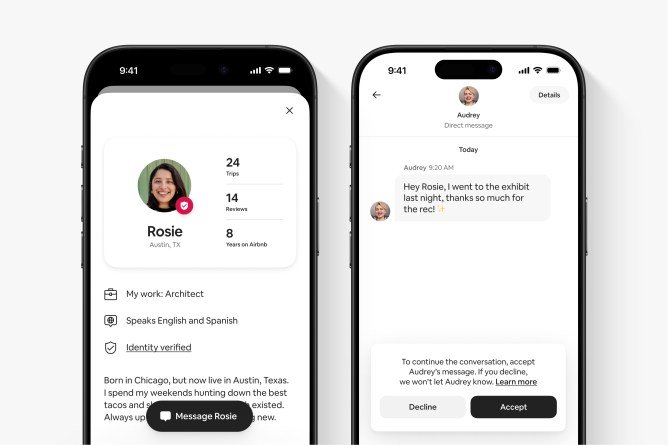
If you’ve ever wished your travel experience could be a little more social, a little less solo, the new Airbnb Social Travel Features for Connecting Travelers might just be your dream come true. Seriously, this is something I’ve been quietly hoping for over the past few years. Because let’s be real—traveling is epic, but it can get a bit lonely sometimes.
So when I stumbled across the recent update about Airbnb leaning into social travel, I literally said out loud, “It’s about time.” The idea of connecting with other travelers—not strangers anymore, but fellow adventurers—is just too good to ignore. And if you’ve used Airbnb before (chances are, you have), you know how easy they’ve made staying in someone’s home. Now, they’re making meeting people along the way just as seamless.
What’s New with Airbnb’s Social Travel Push?
Okay, let’s break it down. Airbnb is rolling out new features that let you actually see who else is traveling to your destination. Think of it like a friendly neighborhood for travelers. Planning a trip to Lisbon? You might be able to connect with someone who’s going the same week, staying nearby, or even looking to grab a coffee between exploring tiled alleyways and rooftop views.
One of the key updates is a feed-style interface that shows other guests who are also booked in the same area. Yup, kind of like a travel timeline. You can opt in, create a short traveler profile, and decide how much info you want to share. Want to be a social butterfly? Cool. Prefer to keep it low-key? That’s totally fine too.
And honestly, that flexibility is one of the things I love. It doesn’t feel forced or awkward—no pressure to mingle if that’s not your vibe. It’s just an invitation. And for those of us who love spontaneous friendships that start over shared food tours or sunrise hikes? It’s magic waiting to happen.
How Airbnb Social Travel Features Can Totally Change Your Trip
I can’t count how many times I’ve landed in a new city and thought, “I wish I knew someone else who was here right now.” Sure, there are apps and message boards, but they always felt clunky or too random. This new take from Airbnb? It feels more thoughtful. More intentional.
Connect Before You Pack
The new features let you interact with fellow travelers even before your trip starts. That means you can start conversations, exchange recommendations, or even plan a group outing before you’ve even zipped up your suitcase. It’s like knowing your neighbors before moving into a new part of town—comforting, familiar, and kind of exciting.
Build Instant Travel Communities
If you’re staying in a larger Airbnb or in a building with multiple listings, you might now find others just like you—curious, passionate, and probably rating pastry shops by day two. Can you imagine arriving in Paris and immediately being invited to a little rooftop gathering just because someone else saw your shared itinerary? Airbnb is making that possible.
Safety and Comfort Still Come First
I know what you might be wondering: is this safe? Airbnb hasn’t tossed privacy out the window. You choose what you share. And it’s all part of your account, so there’s still that same level of care and trust that’s been built into the platform from the start. No creepy pop-ins or pressure to socialize. It’s all about connection on your terms.
Adding a Social Spark to Solo Travel
I’ve traveled solo more times than I can count. It’s liberating, empowering, and yes—sometimes wildly emotional. But I’ll admit, I’ve had evenings where I just wanted one good conversation over dinner. Where I longed to split a bottle of wine with someone who *gets* what it’s like to get lost in Tokyo and love every second of it.
These new Airbnb social tools could be game-changers for solo travelers. Instead of hoping to meet someone at a hostel bar or group tour, you now have a curated space to find people who mesh with your interests and your itinerary. Think:
- Fellow creatives headed to the same island for writing retreats
- Foodies traveling to Rome the same weekend as you
- Digital nomads working remotely from your Airbnb’s living room in Bali
It’s like unlocking a secret community tucked behind your booking confirmation.
The Future of Airbnb Social Travel: More than Just a Stay
This isn’t just about networking. It’s about deepening the travel experience. We explore new places to feel something different—to be surprised, inspired, connected. Airbnb’s leaning into that exact feeling, offering us a side of travel tech that’s actually human-centered.
And I think that’s what excites me the most. Technology is often blamed for pulling us apart, but when done right, it can bring us closer. In this case, it’s helping us meet people who could end up becoming real friends—or at least make for a memorable story.
Where Does This Go from Here?
If this feature takes off—and I really think it will—it’s not hard to imagine Airbnb layering more social tools. Imagine:
- Suggested local meetups for other travelers in your area
- Event invites tied to Airbnb Experiences
- Community posts with travel hacks or ride-share opportunities
Heck, maybe even travel buddy matches based on personality types. (Okay, now I’m dreaming, but c’mon—how cool would that be?)
Final Thoughts: Why I’m All In on Airbnb Going Social
I’ve always believed that some of the best memories you can make while traveling are the ones you share with others. Not just planned, rigid events, but serendipitous friendships. Unexpected connections. Deep convos with people you just met but instantly click with.
This move by Airbnb gives me hope. Hope that travel isn’t just getting faster and cheaper—but richer, deeper, and more soulful. If these features had existed years ago, I can only imagine the train rides, beach walks, and street-food nights I might’ve shared with new friends instead of wandering solo and silently wondering where everyone else was.
So if you’re planning a trip soon, maybe give the social side of Airbnb a try. Who knows? The most unforgettable part of your journey might not be the sunset or the landmark—but the people you meet along the way.
