
by TechNova | Feb 2, 2025 | Tech Insights
NASA Artemis Mission Risks Prompt Safety Review. Just hearing those words gave me pause. This ambitious mission to return humans to the Moon has captured imaginations worldwide—mine included. But it’s also a stark reminder that space exploration isn’t all glittering moonshots and inspiring photographs. It’s risky. It’s complex. And, apparently, it’s under scrutiny right now for very good reasons. NASA is reevaluating parts of the Artemis mission to keep it as safe as possible, and honestly, I think we need to talk about what that means—for the astronauts, for NASA, and for all of us eagerly watching from Earth.
Why Does Space Exploration Always Come with Risks?
Ever think about what astronauts actually sign up for? Sure, they’re brilliant scientists and highly trained professionals, but they’re also modern-day pioneers, stepping into dangerous and unknown worlds. In the case of Artemis, they’re aiming to take people back to the Moon for the first time in over 50 years. That’s huge! But with big dreams come big risks, and NASA knows that better than anyone.
Every time we send humans into space, there’s the terrifying trifecta of dangers: equipment failure, human error, and the unforgiving environment of space itself. No matter how much technology evolves, these factors won’t simply disappear. And with Artemis aiming to establish a long-term human presence on the Moon, the stakes feel even higher. Would you sleep soundly if you knew you were stepping into an untested spacecraft destined for another celestial body? I’d be up all night replaying every sci-fi disaster movie I’ve ever seen.
NASA Artemis Mission Risks Prompt Safety Review
So, what triggered this safety review? It turns out that members of NASA’s Aerospace Safety Advisory Panel (ASAP) raised concerns about certain elements of Artemis. They’re pushing for a reassessment of some mission objectives to reduce risk. And honestly, thank goodness for them. Safety reviews like this often force us to pause, reflect, and fine-tune before it’s too late.
For one thing, Artemis isn’t just about one trip to the Moon. It’s meant to lay the groundwork for future missions to Mars. That means NASA is juggling a complex mix of short-term and long-term goals. The pressure to deliver results is enormous, and, let’s be real, sometimes that kind of pressure can lead to cutting corners. I’m not saying NASA would ever take a cavalier approach to safety, but history has reminded us—more than once—that it’s better to be over-prepared than under-prepared when it comes to space travel.
What’s at Stake with Artemis?
This isn’t just any old mission. Artemis is supposed to be the first step toward building a sustainable human presence on the Moon, which is wild if you really think about it. Sustainability in space? That sounds more like a sci-fi plot than a practical reality. But NASA isn’t messing around. They want to create a Moon base where astronauts can live, conduct research, and do the heavy lifting for future Mars exploration.
Let me paint a picture: Artemis involves a mix of super-high-tech spacecraft, landing systems, and space habitats. This all sounds groundbreaking, right? But every single component has to work perfectly—or at least as close to perfectly as humanly possible—because one small miscalculation could mean disaster. The fact that NASA is doubling back to reassess shows they’re being proactive, which, to me, feels responsible rather than worrisome.
To break it down, here’s what’s on the line with Artemis:
- Human lives: Let’s start with the obvious. A single astronaut’s safety is worth more than any lunar milestone.
- Billions of dollars: This mission has a jaw-dropping budget, and no one wants to see that money go to waste.
- Public confidence: NASA’s reputation rides on the success of Artemis, especially after so much anticipation.
- Science and exploration: If something goes wrong, we risk delaying the Moon-to-Mars pipeline indefinitely.
Any one of those stakes is reason enough to take a step back and reevaluate.
What Can NASA Learn from the Past?
If history teaches us anything about space exploration, it’s that safety always has to come first. Think about the tragedies of the Space Shuttle Challenger and Columbia. Those moments were heartbreaking reminders that oversight and overconfidence can have catastrophic consequences. Nobody wants to see that happen again—not NASA, not the astronauts, and certainly not those of us cheering them on from the sidelines.
This review isn’t a bad sign. It’s encouraging, actually! It means NASA is listening to its advisors and doing the responsible thing by slowing down and keeping human life front and center. I think we could all take a lesson from that—sometimes, when you’re rushing toward a dream, the best thing you can do is pause and make sure every step is rock solid before moving ahead.
What Does This Mean for the Future of Artemis?
Here’s the thing: Artemis is going to happen, but it might not look exactly like the original game plan. And that’s okay. If NASA adjusts the timeline or changes the mission objectives to address these safety concerns, it’s not a setback—it’s smart planning. Wouldn’t you rather wait a little longer for success than rush into something blindly?
In the grand scheme of space exploration, patience is key. The Moon isn’t going anywhere (not for another few billion years, anyway), and I’d much rather see NASA take its time to get it right. Plus, every challenge they face now will help them prepare for even greater challenges down the road, like the eventual Mars missions. I mean, if we can’t get to the Moon safely and sustainably, how are we supposed to conquer an entirely different planet?
Why We Should All Be Watching
Honestly, I think the Artemis mission embodies the best of what humanity is capable of. It’s a mix of curiosity, courage, and innovation, with a healthy dose of risk management sprinkled on top. Watching NASA tackle this mission is like following your favorite sports team—you’ve got your highs and lows, nail-biting moments, and celebrations. But at the end of the day, it’s about teamwork, perseverance, and the pursuit of something bigger than ourselves.
So, whether you’re a space nerd like me or just someone who occasionally glances at the stars, keep an eye on Artemis. These bold missions remind us of what’s possible when we dream big, think critically, and look out for one another. Because if there’s one thing I believe, it’s this: humanity’s next big leap won’t just change our view of the Moon—it’ll change how we see ourselves, too.
by TechNova | Feb 2, 2025 | Tech Insights
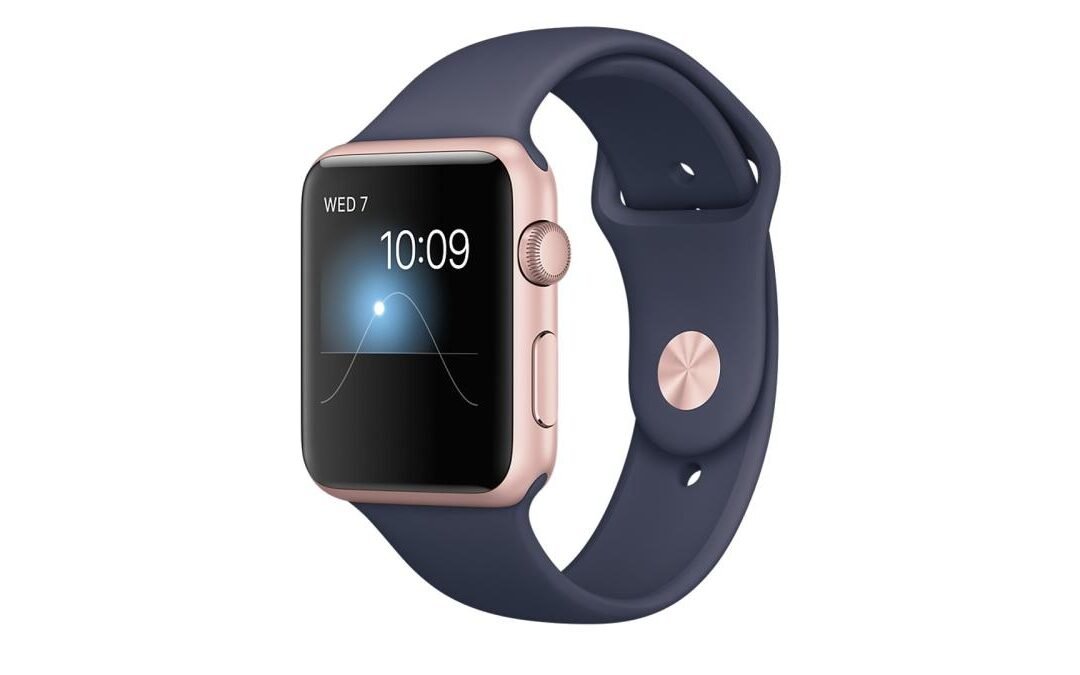
The recent news about the Apple Watch Battery Swelling Lawsuit Settlement has gotten a lot of people talking, and for good reason. If you’re an Apple Watch enthusiast—or even if you’ve just owned one in the past—this lawsuit might make you think twice about how tech companies handle product issues. After all, nobody expects their smartwatch, of all things, to create problems as serious as safety hazards. But here we are. And now Apple has agreed to pay $20 million to settle this class-action lawsuit. Let’s break it all down, piece by piece, in a way that actually makes sense.
What Exactly Is the Apple Watch Battery Swelling Lawsuit Settlement About?
Alright, let’s get straight to the heart of this. The lawsuit was filed by users who claimed that certain models of the Apple Watch had a serious defect—a swelling battery. Now, when you hear “battery swelling,” it might not sound all that dramatic, but trust me, it can be a huge issue. A swollen battery can cause the screen to detach or even shatter, which is alarming for a device you literally wear on your wrist. Imagine glancing at your watch during your morning jog, only to find the screen popping off. Not cool.
The plaintiffs argued that Apple not only knew this could happen, but that they continued to sell the devices without a proper fix or even a heads-up to buyers. Apple, on the other hand, denied the allegations and maintained that battery issues were rare. But in the end, they’ve agreed to resolve the matter with a $20 million settlement. This saves them the drawn-out hassle of a courtroom battle, and for affected users, it might feel like some kind of justice—albeit bittersweet.
Who Was Impacted the Most by This Settlement?
This settlement primarily concerns owners of the Series 1, 2, and 3 Apple Watches. According to the lawsuit, these earlier models were more prone to battery swelling issues than the newer versions. If you’re sporting a Series 6 or 7 today, you’re probably not part of this whole ordeal. Still, for those who bought one of these older models before upgrading, the frustration is real.
Think about it—Apple isn’t exactly handing out $20 watches here. These devices cost hundreds of dollars, so finding out your expensive “tech companion” has potentially dangerous defects? Yeah, that’s like a punch in the gut. Many users reported shattered glass that caused cuts and bruises. It’s not just a tech fail; it’s a personal safety concern.
Will Every Affected Owner See Compensation?
This is where things get complicated (and honestly, a little frustrating). If you’re someone who experienced battery swelling or screen issues with your Apple Watch, you might be eligible for compensation. However, here’s the kicker—lawsuit settlements like this typically involve a process. You’ll need to file a claim, which will most likely require proof that you experienced the issue.
If you’ve already had the watch repaired at your own expense, it’s worth checking if this settlement can reimburse you. But heads up—it’s unlikely you’ll see a huge payout. From my understanding, class-action settlements usually divide the total amount among all claimants. With a $20 million fund and the sheer number of Apple Watch users out there, don’t expect a windfall. But hey, even getting something back is better than nothing, right?
Apple’s Reputation vs. Real-World Stories
Look, I get it. Apple products are known for being sleek and reliable. It’s not every day you hear about defects serious enough to spark a major lawsuit. But with this case, it’s clear that even tech giants aren’t immune to criticism. What’s frustrating to me—and likely to many others—isn’t just the malfunction itself. It’s the idea that Apple may have known about the risk and didn’t do enough to address it proactively. That’s a tough pill to swallow when you consider how fiercely loyal a lot of Apple users are.
I’ve owned an Apple Watch myself, though luckily I never faced this specific issue. Still, I know firsthand how much trust we place in our devices. They track everything from our heart rates to our sleep patterns. They’re basically glued to us. So when something like this happens, it feels personal. And maybe that’s why this settlement is hitting a nerve—it’s a reminder that no brand, no matter how shiny its image, is perfect.
What Happens Next?
For Apple, this settlement is likely a move to put the issue behind them. They’ve already ramped up innovation for newer models, which seem to have steered clear of similar problems so far. For consumers, though, it’s a bit of a ‘what now?’ situation. Here’s how I see it:
- If you had a Series 1, 2, or 3 Apple Watch and dealt with battery swelling, it’s time to explore your options. Check if you’re eligible for compensation under the settlement.
- Even if you didn’t experience it firsthand, let it serve as a reminder to pay attention to recall notices or user complaints about any product you own. It could save you a headache—or worse, an injury.
- And if you’re eyeing a newer Apple Watch to replace your old one, don’t let this lawsuit scare you away completely. Just do your research and maybe look into extended warranty options, just in case.
Why This All Feels So Relevant
Here’s the thing: stories like this matter because they remind us to stay informed consumers. We invest so much in technology—not just money, but also trust—and it’s easy to forget that even the most seemingly flawless products can have hidden flaws. It’s not just about being cautious, though. It’s about holding companies accountable, especially when safety is on the line.
So, if this Apple Watch situation has you shaking your head or double-checking your own device, you’re not alone. And while the $20 million settlement might feel like a small Band-Aid on a bigger problem, it’s still a step in the right direction. It’s a sign that when enough people come together to demand accountability, things can change—even if it takes time.
Final Thoughts: Lessons from the Apple Watch Battery Swelling Lawsuit Settlement
At the end of the day, this entire situation is a reminder that no company is perfect—not even a behemoth like Apple. It’s also a call to action for all of us as consumers. When something feels off about a product, don’t let it slide. Report it. Talk about it. Bring attention to it. That’s how issues like these make it to court in the first place, and that’s how change happens. And who knows? The next time a major tech company thinks about cutting corners, maybe they’ll think twice, thanks to lawsuits like this.
In the meantime, if you were affected by the battery swelling issue, take the time to explore your options under this settlement. You deserve to be heard, and hey, you might just get some of your hard-earned money back. And honestly? That’s a win in my book.

by TechNova | Feb 2, 2025 | Tech Insights
Let me just say this upfront: DLSS 4 transforms Red Dead Redemption 2 graphics in such a jaw-dropping way, it’s like Rockstar handed us a brand-new game. I know, that sounds dramatic—but trust me, the difference is stunning. When I first booted up the game after the update, I actually paused for a moment, just staring at the screen, soaking in the details. The lighting, the textures, the sheer realism—it’s on a whole new level. If you’re like me and already thought RDR2 was gorgeous (because let’s be honest, it’s always been a looker), wait until you see what DLSS 4 does. It’s next-level magic.
How DLSS 4 Transforms Red Dead Redemption 2 Graphics for Real
Okay, let’s get into it. First off, DLSS—short for Deep Learning Super Sampling—has been around for a while, but this is version 4 we’re talking about. And it’s not just an incremental upgrade; it feels like NVIDIA turned the dial up to eleven. Essentially, DLSS uses AI-powered tech to improve a game’s performance while keeping it sharp. But with DLSS 4, it’s not just about *keeping* the visuals sharp—it elevates them to an entirely new realm of realism.
In Red Dead Redemption 2, this means you’re seeing intricate details you might’ve overlooked before. Every blade of grass in the open plains seems to sway naturally, textures on Arthur’s jacket feel almost touchable, and reflections in the water? Oh my gosh, they’re insane. It isn’t just about a prettier game, though—it genuinely changes how it feels to explore the world. You’ll find yourself stopping to admire things you previously rushed past. It’s like falling in love with the game all over again.
Performance Meets Beauty Without Compromises
Now, if you’re like me, your first thought might’ve been, “Cool, fancier graphics, but won’t that tank my frame rates?” Honestly, I was a little worried about that too. But here’s the thing: DLSS 4 doesn’t demand sacrifices. You get both the eye candy *and* smooth, buttery performance. The AI intelligently upscales lower resolutions to give you 4K-level visuals without forcing your system to do all that heavy lifting. It’s almost unfair how smart this tech is.
For context, I’ve got a mid-to-high-range rig—an RTX 3070 and a Ryzen 7—and I saw an immediate improvement after turning DLSS 4 on. Frame drops? Gone. Load times? Practically nonexistent. And the overall experience? Completely seamless. It felt like my system had leveled up at no extra cost. If you’ve been struggling with the game feeling sluggish, DLSS 4 might just be the secret weapon you’ve been waiting for.
What Does This Mean for PC Gamers?
So, let’s talk about what this all means for us PC gamers. At its core, this update feels like a win for everyone—regardless of whether you’ve got a beastly rig or something more humble. But honestly, it feels like an even bigger win if your setup has been struggling to keep up. DLSS 4 essentially lets budget and mid-tier PCs punch above their weight class.
- Higher Fidelity: Say goodbye to blurry textures or jagged edges. Everything looks crisper and more polished.
- Smoother Gameplay: Forget the stuttering that used to kick in during big firefights or cinematic cutscenes. It’s all smooth sailing now.
- Longer Hardware Lifespan: You don’t need to rush out and buy a crazy expensive GPU to keep playing modern games. DLSS 4 pulls more power out of what you already own.
To me, this is what makes DLSS 4 feel so revolutionary. It’s not just about high-end gaming anymore—it’s about bringing even older or mid-range systems along for the ride. And hey, that’s a win for everyone.
Rediscovering Red Dead Redemption 2
Here’s something funny: I’d actually taken a bit of a break from Red Dead Redemption 2 before this update. I loved the game, sure, but after riding across the map a hundred times, it started to feel just a little familiar. You know that feeling, right? Like, yeah, it’s beautiful, but you’ve seen it all before. But now? Thanks to DLSS 4, it’s like seeing the game through fresh eyes. And I’m not just talking about graphical upgrades; I mean the way this tech invites you to slow down and appreciate every little detail.
Just the other day, I caught myself spending about 15 minutes sitting by a campfire, watching the flames flicker and cast shadows on nearby rocks. Who does that? Me, apparently. There’s something about the way light behaves now that feels so dynamic, so alive. I even noticed reflections in Arthur’s freshly-polished gun barrel—little touches that just weren’t as noticeable before. And don’t even get me started on sunsets. I’ve always loved the way Red Dead Redemption 2 handles sunsets, but now? The colors melt together like an oil painting. It’s breathtaking.
Should You Jump Back Into Red Dead Redemption 2?
If you’ve been on the fence about revisiting this masterpiece, let me save you the deliberation: do it. Whether you’re a seasoned gunslinger or someone who never quite finished the campaign, this update is worth your time. DLSS 4 transforms Red Dead Redemption 2 graphics in ways that make even the tiniest moments feel special. And let’s be real—a game this good deserves to look its best.
That said, if you’re rocking an older GPU that doesn’t support DLSS, you might not get the same transformative experience. But if you’ve got an RTX card, whether it’s an older 20-series or something more recent, you owe it to yourself to see what this update can do. Besides, this is the kind of upgrade you don’t truly appreciate until you see it in action.
Final Thoughts: A True Game-Changer
At the end of the day, DLSS 4 isn’t just a technical upgrade—it’s a love letter to PC gaming. And Red Dead Redemption 2, already one of the most immersive games out there, just got even better. It’s a reminder of why we invest in gaming rigs in the first place: to escape, to explore, and to marvel at worlds crafted with care.
So, do yourself a favor. Fire up the game again, take a ride out to Horseshoe Overlook, and see what you’ve been missing. Who knows? You might just fall in love with Red Dead Redemption 2 all over again, just like I did.

by TechNova | Feb 2, 2025 | Tech Insights
The phrase “Nvidia RTX 5090 Scalping Woes Frustrate European Gamers” has been making the rounds lately—and honestly, I get why. Imagine gearing up for months to grab that shiny new GPU, only to find it’s gone before you even finished hitting refresh. Frustrating doesn’t even begin to cover it, right? If you’ve been one of those hopefuls left empty-handed, you’re not alone. The scalping train is in full motion, and this time it’s left a trail of disappointed gamers across Europe.
Why Are Nvidia RTX 5090 Scalping Woes So Common?
Let’s be real: the moment Nvidia drops a new graphics card, chaos tends to follow. The RTX 5090 series is no exception. Once the stock hit the digital shelves, scalper bots swooped in faster than you could say “Add to Cart.” According to reports, entire inventories were wiped clean in minutes—sometimes even seconds. For us regular folks, this feels like trying to win a lottery where someone’s already hacked the system.
Here’s the thing: Nvidia’s 5090 lineup was set to break boundaries with performance and efficiency, giving PC enthusiasts a major reason to upgrade. It’s no wonder this release was highly anticipated. But when scalpers exploit automated bots to snatch up every card in sight, gamers are left staring at those dreaded “Out of Stock” messages. Ugh, it’s like déjà vu from every hot-ticket console or GPU launch in the last five years.
How Scalpers Are Outpacing Gamers
Scalping isn’t exactly a new phenomenon, but it seems to be getting worse with each major tech release. Think about it: these bots are programmed to operate at lightning speed. The moment an RTX 5090 becomes available, they bypass CAPTCHA tests, finalize purchases, and clear out stock before you’ve had a chance to even load your payment details. It’s downright infuriating.
What’s worse is the aftermath. Scalpers post these coveted GPUs on resale platforms at laughably high prices—sometimes doubling or even tripling the original cost. The people who genuinely want these cards for gaming or creative projects are suddenly caught between two choices: fork over a ridiculous sum to a scalper or wait months for a restock. Neither option feels particularly fair, does it?
What Can Be Done to Fix this Problem?
At this point, you’ve got to wonder: is there even a solution? Companies like Nvidia and retailers have tried combating scalping with limited purchases per customer, queue systems, and anti-bot measures. But those defenses often don’t go far enough. The sheer sophistication of today’s scalper bots makes it a never-ending game of cat and mouse.
Some of you might be thinking, “Why not just make more cards?” That’s a great question, but production limits play a big role here. Even Nvidia can’t magically ramp up manufacturing overnight, especially when there’s already a global demand for semiconductors. Supply chains are complicated beasts, and creating more stock doesn’t always solve the problem. If anything, it could just give scalpers more inventory to exploit.
Tips for Getting Your Hands on an RTX 5090
So what do you do if you’re determined to snag the RTX 5090 despite the scalping circus? While there’s no foolproof method, there are a few tips I’d recommend:
- Set up stock alerts: Many retailers have notifications you can enable to get updates the moment stock is available. It’s not perfect, but it’s better than manually checking every 10 minutes.
- Get in the queue early: Some sites use digital queues to give everyone a fair shot. It helps minimize bot issues (though it’s not a guarantee).
- Go local: Smaller, local tech stores sometimes get inventory that doesn’t fly under the radar of bots. A little driving might save you a ton of hassle.
- Wait it out: I know—this sucks to hear. But if you can be patient, stock issues often ease up after the initial hype cools down. Prices may stabilize too.
If all else fails, keep an eye on Nvidia’s Founders Edition cards directly from their website. These tend to have stricter anti-bot measures compared to third-party retailers, though competition is still fierce.
The Bigger Picture: A Scalper’s Paradise
It’s not just GPUs that have fallen victim to the scalping epidemic—consoles, sneakers, concert tickets, you name it. Every high-demand product these days seems to attract opportunists who care more about profit than the actual community. And that’s the part that hits hardest for gamers. What should be an exciting moment of finally upgrading your rig becomes a reminder that the current system just isn’t built for everyday buyers anymore.
But here’s where I find a bit of hope: gamers are loud, and we’re not afraid to call out brands and scalpers alike. Campaigns to curb scalping have gained traction in recent years, and companies are starting to pay more attention. It might not be an immediate fix for the RTX 5090 fiasco, but the fight isn’t over. We’ve got to keep pushing for better protections and fairer sales practices.
Final Thoughts
At the end of the day, the Nvidia RTX 5090 scalping woes highlight a problem that’s much larger than just one product launch. It’s a frustrating cycle, but trust me, you’re not alone in this struggle. Whether you’re playing the long game or gearing up to pounce on the next restock, keep the faith. That dream GPU will eventually make its way into your hands—even if it takes a little extra patience and persistence.
In the meantime, let’s keep the conversation alive. What’s been your experience trying to score new tech lately? Have you come across strategies that actually work? Drop your thoughts in the comments—let’s figure this out together.

by TechNova | Feb 2, 2025 | Tech Insights
The upcoming PS5 games February March 2025 highlights will have PlayStation fans buzzing with excitement—and I can’t blame you if you’re already clearing your schedule. There’s just something magical about the first few months of the year in gaming. It’s that sweet spot where the holiday rush has subsided, and you finally have time to dive deep into the immersive worlds developers have been crafting for years. This February and March, the PS5 library is growing with some absolute gems, and trust me, you’re not going to want to miss them.
Riding the Hype Train: Upcoming PS5 Games February March 2025 Highlights
Okay, let’s be real for a second—my backlog is already massive. Like, I’m still trying to finish a few titles from last year, but here I am, hyped out of my mind for what’s around the corner. February and March are shaping up to be an *incredible* time for PS5 players, whether you’re into gripping story-driven adventures or fast-paced multiplayer chaos. Let’s break down some of the most anticipated titles dropping during this period. You’re going to need a plan (and some snacks) because these next couple of months will be STACKED.
An Emotional Rollercoaster: Story-Driven Adventures
You know those games where you lose track of time because you’re so emotionally invested? Yeah, February and March have a couple of those coming your way. One of the highlights is the poignant and visually stunning “Echoes of the Lost”. It’s a narrative-heavy RPG where choices genuinely matter (no pressure, right?). The art style immediately caught my eye—it’s got that painterly, dreamlike quality that feels like it’s plucked straight out of a fairy tale. From what I’ve read, the story leans into themes of memory and resilience, and I’ve already got a box of tissues ready. If “The Last of Us” or “Life is Strange” had you sobbing, this one might just wreck you—in the best way.
Oh, and let’s not forget about “Shadow Tide: Origins.” I won’t lie, I didn’t expect much when this was first revealed last year, but it completely won me over with its blend of stealth and open-world exploration. Picture this: a sprawling coastline with hidden coves, overgrown ruins, and dynamic weather systems that actually impact gameplay. The developers have promised a branching narrative full of intrigue, so I can’t wait to dive in and see how the story unfolds—especially since the main character is apparently hiding a pretty dark secret.
Fast-Paced Fun: Action and Multiplayer Thrills
If you’re more about adrenaline-pumping action, don’t worry—there’s plenty for you, too. One of my personal favorites that’s coming up is “Velocity Overdrive.” It’s a sleek, futuristic racer with a combat twist. Think high-speed racing mixed with chaotic weaponry, where one wrong move could send you flying off the neon-lit tracks. If you loved games like “Wipeout” or “F-Zero,” this one’s going to scratch that itch. Plus, it’s got robust online features, so you can take on friends (or strangers) and fight for leaderboard supremacy.
And then there’s “Mech Warz: Zero Hour.” Honestly, who doesn’t love a good mech game? The mix of customization and explosive battles looks irresistible. From solo missions to online PvP modes, the idea of piloting a towering mech with laser cannons and missile pods has me ready to throw my wallet at the screen. The trailers have shown off some truly epic-scale battles, and I can already tell it’s going to be one of those games where you’re like, “Just one more match… okay, maybe two more.”
Games to Watch Out For
While some titles dominate the spotlight, there are always a few hidden gems I like to keep an eye on. For example, “Pastel Planet” is this quirky indie darling about exploration and creativity. There’s no combat, just a focus on rebuilding a desolate world using your imagination—and honestly, it looks so chill and therapeutic. It’s always nice to have a game like this that you can jump into when you just need a breather from all the intense action and drama.
Another under-the-radar release is “DreadSec Protocol.” It’s a cyberpunk stealth thriller, and the word “intense” doesn’t even begin to describe it. The art direction is gritty, the levels are cleverly designed, and the devs are really leaning into that cat-and-mouse tension that stealth fans like me go crazy for. If you’re into hacking mechanics and evading danger, pencil this one into your calendar—you won’t regret it.
What to Play First?
Here’s the biggest problem with having so many amazing releases at once: where do you even start? My advice? Prioritize what speaks to your gaming soul first. If you’re a sucker for narrative-driven experiences, tackle one of the bigger, emotionally heavy titles. If you need something light and energetic, give a racing or multiplayer game a spin to blow off some steam. And, of course, don’t be afraid to check out smaller games that catch your interest—sometimes they surprise you the most.
Final Thoughts
There it is—your sneak peek at the upcoming PS5 games February March 2025 highlights. Honestly, it feels like PlayStation fans are being spoiled in the best way possible. Whether you’re after jaw-dropping visuals, emotional storytelling, or just some good old-fashioned explosive action, the PS5 lineup for these months has you covered. My advice? Make sure those controllers are charged and that you’ve stocked up on snacks because once these games start dropping, it’s going to be hard to tear yourself away from the screen.
So, what are you most excited to play first? Let me know—I’d LOVE to compare lists and hear what’s piqued your interest. This is the golden age of gaming, my friend, and I’m so thrilled we get to experience it together!
by TechNova | Feb 2, 2025 | Tech Insights
Let’s face it: owning an Apple Watch can be awesome. It tracks your fitness, organizes your life, and honestly, just looks stylish on your wrist. But what happens when that sleek little device lets you down? For some Apple Watch users, disappointment turned into frustration—and for good reason. Apple recently agreed to a settlement of $20 million over a class-action lawsuit, and if you qualify, you might be entitled to a payout. Let me break it all down for you.
So, What’s the Apple Watch Lawsuit About?
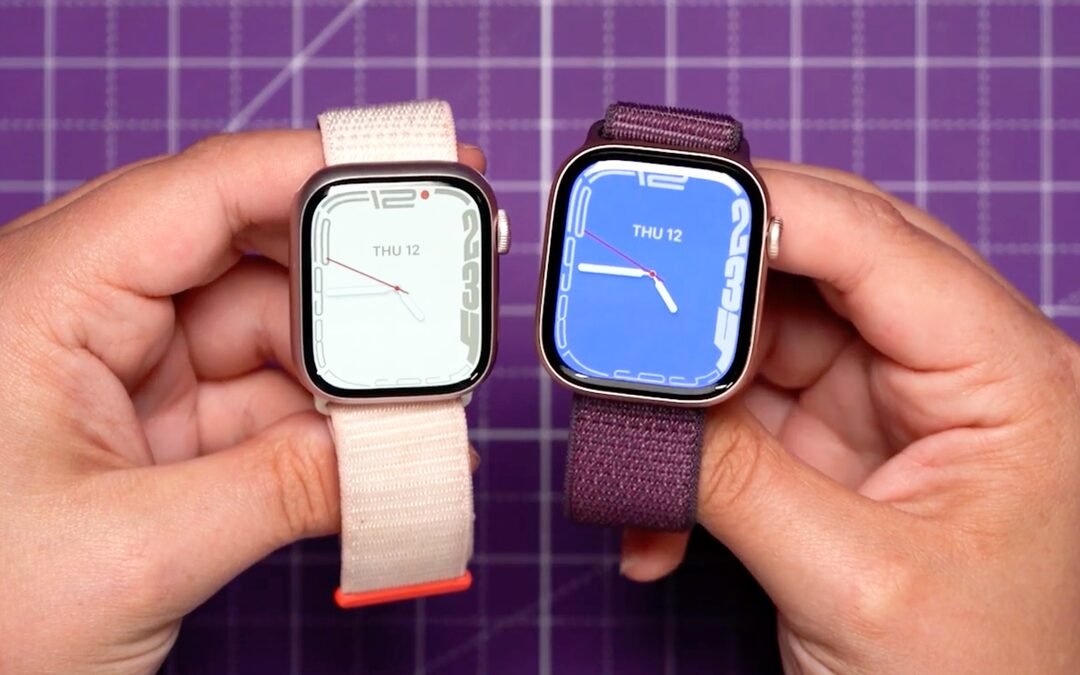
Good question. This all stems back to reports of issues with Apple Watches across several generations. Some owners experienced problems with swollen batteries, which caused the displays to crack, pop out, or even completely detach from the watch’s casing. Just imagine looking down at your wrist one day and seeing your expensive gadget in pieces—not cool.
The real kicker? The lawsuit accused Apple of knowing about these battery problems but refusing to cover the damages under warranty. Yikes. Plaintiffs argued that Apple should’ve fixed or replaced these defective watches for free. Instead, many customers ended up footing repair bills—sometimes hundreds of dollars—when the damage wasn’t their fault to begin with. That’s where this legal battle came in.
Apple Watch Lawsuit Settlement: Who’s Eligible?
Here’s the great news: if you’ve had an Apple Watch affected by this issue, you might be eligible for some compensation. But the specifics matter, so let’s dive into the details.
The settlement applies to individuals who own certain models of the Apple Watch Series 1 through 6 that experienced issues directly related to a swollen battery. Unfortunately, newer models like the Series 7 and 8, as well as the Ultra, aren’t included—only earlier ones are covered. Check your model to see if it matches those categories. Remember, it’s not just any damage; it has to be battery-related.
What’s more, this settlement focuses on those who paid out-of-pocket for repairs due to damage caused by these faulty batteries. So, if you shelled out your hard-earned cash to fix a cracked or detached screen that stemmed from a swollen battery, this settlement is your chance to get reimbursed. Honestly, it’s about time something like this came through for loyal customers.
How Much Can You Expect to Receive?
Okay, let’s talk dollars because I know that’s what you’re wondering. The settlement is a total of $20 million, and eligible individuals could see compensation up to $500. Of course, the exact amount you’ll get depends on a few factors, like how many people file claims. The pool of funds is essentially divided among those who qualify, so if fewer people apply, payouts could potentially be higher. Fingers crossed for that, right?
It’s nice to see some accountability here because $500 is no small chunk of change. Think about it—maybe that’s a weekend getaway, your holiday shopping budget, or even an upgrade to a newer piece of tech. And hey, if you’re someone who felt let down by Apple over this situation, this could feel like a little victory.
How to File a Claim
If you think you qualify for this settlement, don’t hesitate to act. Filing a claim is straightforward. There’s a deadline involved, so the sooner, the better. Usually, you’ll need to submit proof that you owned an eligible Apple Watch and that you paid for repairs related to the battery issue. This could mean providing receipts, repair invoices, or other documentation that proves your case. Honestly, it’s worth digging through your email or paperwork if it means getting money back.
Once your claim is filed, it’s just a matter of waiting. These things can take time—legal processes tend to move slower than we’d like—but a little patience can go a long way.
Lessons Learned From This Lawsuit
As much as I love my gadgets, this situation serves as a good reminder to always read the fine print on your warranties. Technology is amazing, but no device is perfect, and warranties often come with limitations that can catch us off guard. If you’re someone who depends on your Apple Watch daily (like me), investing in AppleCare or another extended protection plan might be worth it for peace of mind. The extra cost upfront could save you from surprise expenses down the road.
It also pays to keep receipts for your pricey purchases, including repairs. I know we’ve all been guilty of tossing paperwork in the trash a little too soon, but in cases like this, that receipt could be your ticket to getting a refund when things go sideways.
Is This the End of the Apple Watch Debacle?
Maybe, maybe not. Lawsuits like these show that even industry giants like Apple aren’t immune to having their practices called into question. And while this settlement is a win for affected users, it raises eyebrows about how companies handle customer complaints and product defects. Let’s hope Apple (and other tech companies) learn from situations like this and prioritize transparency moving forward.
All in all, the Apple Watch lawsuit settlement offers a chance for wronged customers to get some justice—and money—back in their pockets. If you think you’re eligible, take a little time to check your watch and gather your documents. It could be worth a lot more than you expected.
What do you think? Does this settlement feel like enough to make things right, or should companies do more in cases like these? Let me know—I’d love to hear your thoughts!
