
by TechNova | Feb 22, 2025 | Tech Insights
The Texas Rangers’ technology advantage in Major League Baseball is no joke. If you think it’s all about talent and grit, think again. This team has figured out how to fuse old-school baseball instincts with cutting-edge tech, making big-league gains where others are just starting to catch up. The Texas Rangers are using technology to refine their strategy, improve player performance, and stay ahead in the game.
How the Texas Rangers Leverage Technology for an Edge
Baseball has always been a game of inches. One extra step in the outfield, one split-second reaction at the plate—it all adds up. The Texas Rangers understand this better than most, and they’re using state-of-the-art tech to turn minor advantages into game-changing wins.
From high-speed cameras that analyze a pitcher’s mechanics to wearable sensors that track player fatigue, the Rangers are pushing the boundaries of how tech is used in the big leagues. It’s not just about collecting data—it’s about knowing what to do with it.
High-Tech Training: Giving Players the Edge
Remember when training was just about lifting weights and running laps? Not anymore. The Rangers have embraced technology to fine-tune every move their players make. They’re using:
- Motion tracking systems: These monitor everything from a batter’s swing speed to a pitcher’s release point. A minor adjustment can lead to huge results.
- Virtual reality (VR) simulations: Hitters can “face” real pitchers before stepping up to the plate, analyzing pitch movement without even touching a bat.
- Biomechanics labs: By using advanced motion analysis, trainers can spot inefficiencies in a player’s movements—before they lead to injury.
Imagine being able to tweak your swing based on real data instead of just a gut feeling. That’s the level of precision the Rangers are working with.
Data-Driven Decisions: Smarter & Faster
If you think baseball is all instinct, think again. The Rangers are diving deep into analytics to make better decisions in real-time. Every pitch, every at-bat, and every defensive alignment is backed by a sea of numbers.
Advanced Statistics Change the Game
With the rise of data science in sports, the Rangers aren’t just looking at home runs and batting averages anymore. Instead, they’re focused on:
- Exit velocity and launch angle: This helps hitters adjust their swings for maximum power.
- Pitch spin rate and movement: Pitchers can fine-tune their throws to make them harder to hit.
- Defensive shift modeling: Based on tendencies, the Rangers move their players to be in the right spot at the right time.
It’s no longer a guessing game. The numbers are there, and the Rangers are using them to make better, faster decisions.
Wearable Tech and Player Health
Burnout and injuries can derail a season. That’s why the Texas Rangers have embraced wearable tech to monitor physical strain and recovery. These tools help trainers and coaches keep players in peak condition without pushing them past their limits.
Preventing Injuries with Smart Technology
Gone are the days when players had to “tough it out” without knowing if they were risking long-term damage. Now, there’s tech for that:
- Wearable GPS trackers: These measure workload, tracking how much stress is on a player’s body.
- Heart rate monitors: They ensure players aren’t overtraining, reducing the risk of fatigue-related injuries.
- Sleep tracking: Recovery is just as critical as training, and technology helps ensure players are getting the rest they need.
By monitoring these metrics, the Rangers can adjust practices, reduce the risk of injury, and keep their roster healthy.
AI and Machine Learning: The Future of Texas Rangers Technology
The future is already here. The Rangers are embracing artificial intelligence (AI) and machine learning to uncover insights that would have been impossible to find in the past.
Predicting Performance Like Never Before
Imagine a system that could predict how a pitcher will perform based on thousands of variables—weather, pitch count, past performances—you name it. That’s exactly what AI is starting to do.
By analyzing massive amounts of data, machine learning can help coaches:
- Evaluate when a pitcher might start losing effectiveness.
- Predict when a batter is most likely to hit a certain type of pitch.
- Optimize lineups based on real-time performance data.
It’s an entirely new way to manage a team, and the Rangers are among those leading the charge.
Will Other Teams Catch Up?
The Texas Rangers are proving that technology is more than just a trend—it’s a game-changer. Other teams are investing in similar tech, but the Rangers’ deep commitment to analytics and player development gives them an edge.
So, the real question is: How long before this kind of tech is mandatory for success in MLB? Players, coaches, and front offices are seeing the results, and the league is evolving fast.
For now, the Rangers are ahead of the curve. But baseball—and technology—never stand still. If you’re a fan, you’re watching a team that’s not just trying to win today. They’re building a system that keeps them competitive long into the future.
And who knows? Maybe the next big breakthrough in baseball isn’t a new player or a flashy trade. Maybe it’s an algorithm.
by TechNova | Feb 22, 2025 | Tech Insights
Big tech and crypto just got some surprising news. Apple fights UK regulators over a ruling that could shake up its App Store business, and at the same time, the SEC has decided to drop its lawsuit against Coinbase. If you follow tech and finance, you know these aren’t just small headlines—they could reshape the way companies operate.
Apple Fights UK Ruling: What’s at Stake?
When you think of Apple, you probably picture sleek iPhones, powerful MacBooks, and an App Store that feels seamless. But behind all that polish is a battle over control. UK regulators are cracking down, arguing that Apple’s App Store policies could be stifling competition. Naturally, Apple isn’t backing down.
The company is challenging a decision that could force it to open its ecosystem. Translation? We might see more freedom in how apps operate on Apple devices—but not if Apple has its way. The tech giant claims this ruling is unfair and paints it as an overreach by regulators.
Why Apple Wants to Keep Control
Apple says its strict policies keep users safe. The argument is that by controlling the App Store, it protects people from fraudulent apps, security threats, and bad user experiences. That makes sense—nobody wants malware sneaking onto their phone.
But regulators argue that Apple’s policies also block competition. They claim developers should have more options when it comes to payments and distribution. That’s where the tension lies: security versus openness. And with billions of dollars on the line, neither side wants to budge.
Will Apple’s Appeal Work?
Fighting regulators isn’t new for Apple. The company has taken on legal challenges worldwide, including in the U.S. and Europe. But the UK ruling presents a unique problem since regulators are pushing aggressively for change.
Apple’s appeal could take time, but history suggests the company won’t go down easily. When the EU pressed for similar changes, Apple adjusted—on its own terms. The same could happen here. Apple may offer minor concessions to keep its core business intact.
Meanwhile, the SEC Walks Away from Coinbase
As Apple battles in the UK, the crypto world got a shock: the SEC decided to drop its lawsuit against Coinbase. If you’ve followed crypto regulation, you know the SEC has been cracking down on exchanges for a while. So why back off now?
This lawsuit had huge implications for the industry. The SEC had accused Coinbase of violating securities laws by allowing certain digital assets on its platform. But the case wasn’t a slam dunk. Dropping it suggests the SEC might be rethinking its approach to crypto.
What This Means for Crypto
If you’re into crypto, this is major. The SEC stepping back doesn’t mean the industry is free from regulation, but it does signal something interesting: regulators might not have as much legal ground as they thought.
This could encourage more confidence in crypto, at least in the short term. If major players like Coinbase aren’t constantly under legal threat, it might bring stability. That said, crypto regulation is still evolving, and another lawsuit could pop up at any time.
What’s Next for Apple and Crypto?
So, what do these two stories have in common? Both show that tech and finance are in a constant tug-of-war with regulators. Apple wants to protect its ecosystem, while governments argue for more competition. In crypto, companies like Coinbase want clarity, while regulators struggle to define the rules.
These battles aren’t just legal fights—they shape the way we use technology. If Apple loses in the UK, we could see similar rulings elsewhere. If the SEC continues backing away from crypto lawsuits, it might lead to more openness in the digital currency space.
Final Thoughts
At the end of the day, these cases remind us just how complicated the relationship between innovation and regulation can be. Tech companies move fast, but laws move slow. The question is: can they find a balance? That remains to be seen, but one thing’s for sure—these fights are far from over.
by TechNova | Feb 22, 2025 | Tech Insights
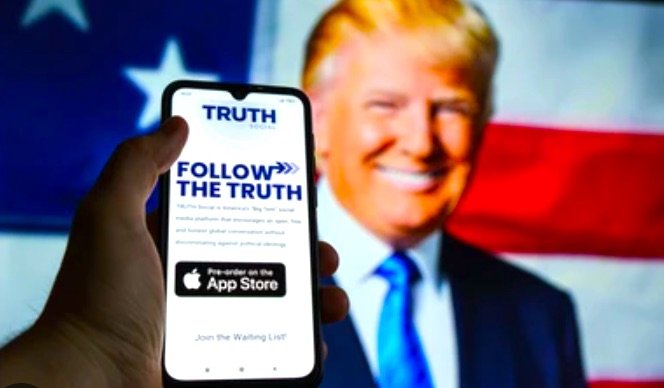
Trump Media Expansion is making headlines again, and this time it’s all about growth. The company behind Truth Social just gave the green light to a new fund aimed at acquisitions, mergers, and fresh partnerships. If you’ve been wondering what’s next for Trump’s media empire, this move signals something big on the horizon.
With the media landscape constantly evolving, businesses have to stay agile. And let’s be honest—when has Trump ever shied away from a bold move? This new development could shake up the social media and news industries in a major way. Let’s dive into what this means and how it could impact the future of conservative digital platforms.
What’s Behind Trump Media’s Expansion Strategy?
Trump Media & Technology Group (TMTG) isn’t just sitting back and watching things happen. Instead, they’re making aggressive plays to expand their reach. By authorizing this new fund, they’re actively looking for opportunities to grow their influence.
This isn’t just about Truth Social anymore. It’s about strengthening the conservative media ecosystem—one deal at a time. Whether that means acquiring independent news outlets, forming alliances with like-minded platforms, or investing in emerging technology, TMTG is positioning itself for long-term influence.
Bigger, Louder, and More Competitive
One of Trump’s biggest strengths has always been his ability to command attention. From the campaign trail to business dealings, he’s a master of staying in the spotlight. So, it’s no surprise that TMTG isn’t content with staying in its current lane.
If this fund lives up to its potential, we could see Truth Social become more than just a Twitter alternative. Imagine a fully integrated media network that includes streaming, news, and even digital entertainment. It’s a bold vision, but when has Trump ever played it safe?
How Could These Acquisitions Change the Media Game?
Conservative voices have often felt sidelined by mainstream media. That’s one of the biggest reasons Truth Social exists in the first place. But if TMTG starts acquiring other platforms, things could get very interesting.
Think about it—what if they partnered with or bought out smaller conservative news outlets? What if they launched their own video platform to rival YouTube? With the right deals, Trump Media could build an ecosystem that challenges the dominance of traditional social media giants.
What This Means for Users and Content Creators
If you’re already on Truth Social, this expansion could mean more content, better engagement, and a wider reach. For conservative content creators, this could be a game-changer. No more worrying about being de-platformed or silenced by big tech.
And let’s be real—competition is a good thing. Whether you agree with Trump or not, having more platforms means more choice. If TMTG executes this strategy well, it could give users a real alternative to traditional social media.
A Smart Business Move or a Risky Bet?
Every major business decision comes with risks. Expanding too fast can backfire, and media is a tough industry. But if anyone thrives on taking big swings, it’s Trump. The question is—how well will this play out?
- Financial backing: Does TMTG have the resources to compete with tech giants?
- Building an audience: Can they attract enough users to make these acquisitions successful?
- Regulatory challenges: Will government agencies step in to shake things up?
It’s a high-stakes game, but that’s never stopped Trump before. If this fund leads to smart acquisitions, Trump Media’s influence could grow in ways no one saw coming.
The Future of Trump Media Expansion
So, where does this all lead? If TMTG plays its cards right, we could see a conservative media powerhouse take shape. This isn’t just about competing with Twitter or Facebook anymore. It’s about building an entire media ecosystem.
There’s still a lot we don’t know. Which companies will they target? How quickly will these deals happen? Will this fund be enough to truly shake things up? Only time will tell, but one thing’s for sure—Trump Media isn’t slowing down anytime soon.
For anyone keeping an eye on the future of digital platforms, this is definitely a space to watch. Whether you love it or hate it, this expansion could seriously reshape the media world. And if history tells us anything, Trump never does anything small.
by TechNova | Feb 17, 2025 | Tech Insights
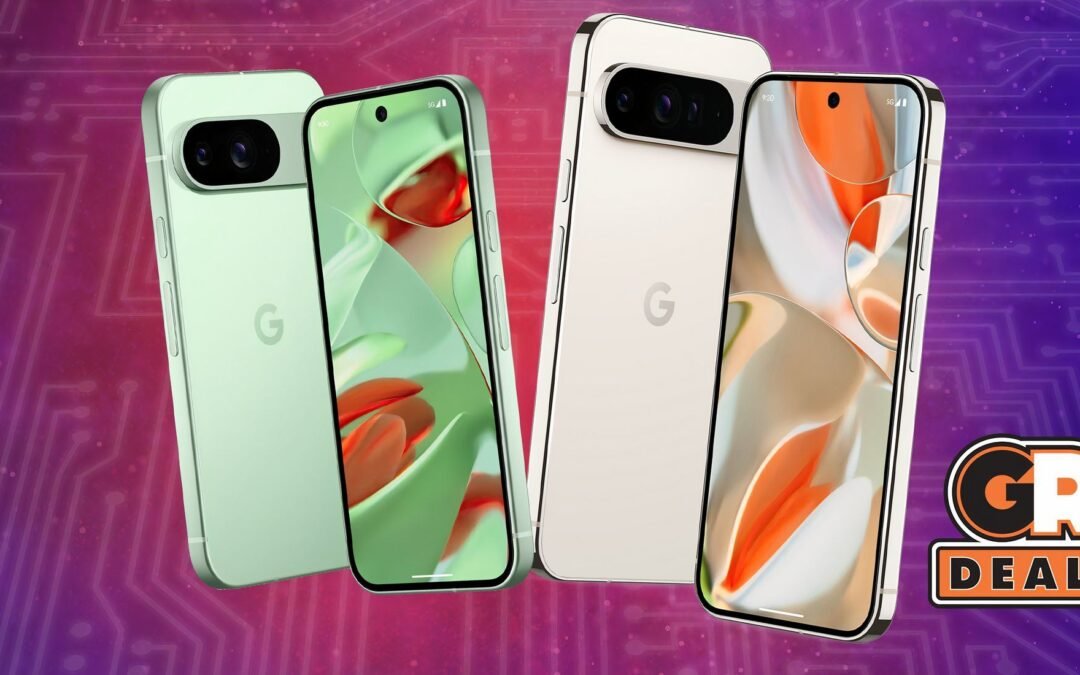
The Google Pixel 9 Pro sale drops its price to a Black Friday low, making it the perfect time to grab this powerhouse of a smartphone. If you’ve been waiting for a great deal on a Google Pixel 9, this is as good as it gets—at least until the next big holiday sale. But let’s be real, who wants to wait months when this steal is available now?
Why the Google Pixel 9 Pro Is Worth Your Attention
So, what makes the Google Pixel 9 Pro stand out? Simple. It’s one of the smartest phones on the market. When Google pushes out a new Pixel, they don’t just slap on better hardware. They refine the software, optimize the AI, and give you a device that feels almost intuitive to use.
This latest flagship is no exception. Whether you’re snapping ultra-detailed photos, multitasking with ease, or just enjoying an ultra-smooth Android experience, the Pixel 9 Pro delivers. And now, with this sale price, it’s even harder to resist.
What’s Special About the Pixel 9 Pro?
If you’re wondering whether it’s actually worth upgrading to the Pixel 9 Pro, let’s go over the key highlights. Google has packed this phone with some seriously impressive features:
- Cutting-Edge Camera System: Google’s Pixel line is already known for having best-in-class cameras, and the 9 Pro takes it further. With enhanced computational photography and new AI-driven editing tools, you can take stunning shots even in low light.
- Brilliant Display: A high-refresh-rate OLED screen makes scrolling, gaming, and watching videos smoother than ever.
- Next-Level AI: Google’s AI magic is baked into nearly everything. Want real-time transcriptions? Predictive assistance? Advanced call filtering? The Pixel 9 Pro has got you covered.
- Long-Lasting Battery: No more worrying about battery life. Fast charging and smart optimizations keep you going all day.
- Stock Android Experience: If you love a clean, bloat-free Android experience, this is the phone to get. Plus, Google promises extended software support.
Is This the Best Time to Buy the Google Pixel 9?
Timing your tech purchases can make a huge difference. We all know Black Friday tends to bring some of the best deals, but seeing that this price drop matches those holiday discounts is rare. If you’ve been waiting, this is that moment when patience actually pays off.
Let’s be honest—waiting for the next sale often leads to endless procrastination. There’s always another “better deal” around the corner. But when a flagship like the Pixel 9 Pro hits its lowest price outside of Black Friday, it’s a clear green light to buy.
Who Should Consider the Google Pixel 9 Pro?
The Pixel 9 Pro isn’t for everyone, so let’s break it down. Who is this phone perfect for?
- Tech Enthusiasts: If you love having the latest technology in your hands, this phone won’t disappoint.
- Photography Fans: If your camera roll is filled with snaps of sunsets, pets, and food, the Pixel 9 Pro’s incredible camera makes a huge difference.
- Android Purists: If you want an Android phone the way Google intended—without extra bulk or unnecessary UI skins—this is the best option.
- Busy Professionals: The AI-powered tools, advanced call screening, and smooth user experience make multitasking a breeze.
However, if you’re someone who prefers ultra-customizable Android skins with tons of additional features, you might lean toward a Samsung or OnePlus device instead.
How Does It Compare to Other Flagships?
If you’re looking at other premium smartphones, you might be wondering how the Pixel 9 Pro stacks up against competitors. Here’s a quick rundown:
- Pixel 9 Pro vs. iPhone 15 Pro: The iPhone is great for Apple fans, but Google’s AI features and camera flexibility give the Pixel an edge.
- Pixel 9 Pro vs. Samsung Galaxy S24 Ultra: Samsung wins on sheer hardware power, but Google’s Pixel offers a cleaner experience with smarter AI features.
- Pixel 9 Pro vs. Pixel 8 or 8 Pro: The improvements here are notable, but if you already own a Pixel 8 Pro, an upgrade isn’t critical unless you want all the latest tech.
Each device has strengths, but if you lean toward a simple, smarter, and highly capable phone, the Pixel 9 Pro is a top contender.
Final Thoughts: Should You Buy It Now?
This sale brings the Google Pixel 9 Pro down to its Black Friday low, and waiting for a better deal might not be worth it. If you’ve been eyeing this phone, now’s the time to pull the trigger.
Personally, I love when Google drops these big sales out of nowhere. It’s like finding money in an old jacket pocket—unexpected but incredibly satisfying. If you’ve been waiting for the perfect excuse to upgrade, here it is. Grab it before the price jumps back up!
by TechNova | Feb 16, 2025 | Tech Insights
Xbox to Show Nintendo and PlayStation logos in its upcoming showcases? Yep, you read that right. If you’ve been gaming for a while, this probably sounds like something from an alternate reality where the console wars ended in a group hug. But no, this is real—and it’s happening soon.
The gaming community has been buzzing ever since this news dropped. It’s not every day you see a major platform like Xbox step onto the stage and openly acknowledge its biggest competitors. And not just acknowledge—actually feature their logos in official presentations. That’s a massive shift in tone, especially for those of us who grew up watching these three gaming giants battle it out. So, what does this mean for the future of gaming?
Why Is Xbox to Show Nintendo and PlayStation Logos?
Let’s be real—this isn’t out of the blue. Over the past few years, Xbox has been pushing hard for a more open gaming ecosystem. Microsoft’s Game Pass operates across consoles and PC, and cross-play has become a standard expectation for multiplayer games. Now, this latest move takes that philosophy even further.
By prominently displaying Nintendo and PlayStation logos in its showcases, Xbox is signaling loud and clear that gaming is no longer about walled gardens. It’s about collaboration, shared audiences, and—let’s be honest—selling more games across more platforms.
Can you imagine seeing Nintendo’s red logo pop up before a big Xbox announcement? Or a PlayStation game being promoted at an Xbox event? It’s weird, but it also feels like something we should’ve seen coming.
What Does This Mean for Gamers?
At first glance, this might seem like corporate posturing. A kind of “we’re all in this together” marketing move. But let’s break it down from a player’s perspective.
- More Shared Experiences: If Xbox is comfortable showing off rival logos, it could mean more multi-platform agreements. Imagine getting Game Pass access to even more third-party (or first-party?) titles across different consoles.
- Less Brand Tribalism: Let’s face it, gamers can be pretty passionate about their hardware. But when companies themselves blur the lines, it might help tone down the unnecessary online console wars.
- Better Industry Collaboration: We’ve already seen Xbox and Nintendo play nice with cross-play and shared indie success stories. This could push that spirit even further.
Plus, wouldn’t it be nice to focus on what really matters—the games—without worrying about which plastic box they’re running on?
Will PlayStation and Nintendo Play Along?
Here’s the million-dollar question. Xbox is making the first move by acknowledging its riv—er, companions—in the gaming space. But will Nintendo and PlayStation do the same?
Historically, Nintendo has been more of an independent force. It does things its own way and is rarely concerned with mimicking industry trends. That said, it has been embracing crossovers more recently—especially with Xbox. We saw Cuphead land on Switch, and Banjo & Kazooie join Super Smash Bros. Ultimate. Maybe this shift will encourage even more partnerships.
As for PlayStation? That’s trickier. Sony has been doubling down on exclusives and keeping its biggest titles locked to its platform (at least for the first few years). If Xbox is openly platform-agnostic in showcases, it might pressure Sony to rethink its strategy. Or, PlayStation could simply ignore it and keep doing its own thing.
Could This Lead to Cross-Platform Game Announcements?
This is my favorite thought experiment. If Xbox is comfortable showing Nintendo and PlayStation logos, what’s stopping all three from making joint game announcements? Picture it: a single event where major franchises are revealed for multiple platforms at once.
Admittedly, we’re not there yet. But this is definitely a step in that direction. And if it ever happens, it could turn game reveal events into something much bigger than company-specific showcases. Instead of waiting for three separate presentations, what if we just had a unified gaming festival?
The Future: More Collaboration or Just a One-Off Move?
It’s easy to get carried away dreaming of a future where console makers hold hands and skip off into the sunset. But let’s ground ourselves for a second. Is this a permanent shift toward collaboration, or is it just a PR move designed to boost goodwill?
It could go either way. On one hand, Xbox has been leading the charge in breaking down old gaming barriers, and this feels like an extension of that. On the other hand, corporate decisions change all the time, and future leadership could roll back these efforts if they don’t see an immediate benefit.
Still, it’s exciting. If nothing else, this move sends a message: gaming is bigger than brand loyalty. It’s about playing great games, no matter where you’re playing them.
Final Thoughts: An Industry Shift in Motion
So, what do you think? Are we witnessing history unfold, or is this just another marketing tactic? Either way, the fact that Xbox to Show Nintendo and PlayStation logos in its events means we’re in for some interesting times ahead.
If nothing else, it’s a sign of things changing. And change in gaming—when done right—is usually a good thing.
