
by TechNova | May 13, 2025 | Tech Insights
Marvel 1943: Rise of Hydra has officially been pushed back to 2026, and yeah, I know—waiting just got a little harder. This delay stings, especially for those of us who’ve been following the slow drip of updates with more hope than patience. When this game was first teased, the concept of a story-driven Marvel adventure set in World War II sounded almost too good to be true. And now, well, we’re finding out it’s going to stay just out of reach for a while longer.
Still, that doesn’t mean the hype is dead. In fact, this delay might actually be a good sign—stay with me here. Let’s dig into what’s going on, why this matters, and what we can (hopefully) look forward to when Marvel 1943: Rise of Hydra finally lands in our hands.
Why the Delay in Marvel 1943 Rise Might Be a Good Thing
Look, I get the frustration. We’ve all seen games get delayed and sometimes—yeah—it’s not for the best. But in this case? I think we’re standing at a slightly different crossroads. The studio behind Marvel 1943: Rise of Hydra is Skydance New Media, led by none other than Amy Hennig. If you don’t recognize the name, she’s the creative powerhouse behind the Uncharted series, and trust me, that means something.
This delay gives her team more time to polish, refine, and possibly even blow our minds with a better experience than we originally expected. And let’s be honest, after seeing a few high-profile games stumble at launch lately, I’d rather wait and get something amazing than rush in and feel disappointed.
I remember counting the days for a certain space-themed RPG launch last year (you know the one), only to spend my first weekend patching and praying. It’s not fun. I’d rather developers take their time and get it right. We’re not just buying a product—we’re buying an experience. And with Amy’s track record of merging story and gameplay in super cinematic ways, I’m all for giving her team more breathing room.
What We Know So Far About Marvel 1943 Rise
So, what’s this game even about? If you haven’t heard, it’s shaping up to be a gripping, narrative-rich adventure set during World War II—sort of Marvel meets Band of Brothers. You play as two main characters: Steve Rogers, aka a young Captain America, and Azzuri, the grandfather of T’Challa and Black Panther of that era. The vibe? Gritty, emotional, classic Marvel storytelling with a historical twist.
Here’s what’s got me most excited:
- A dual protagonist story – Switching between Cap and the Black Panther gives the game diversity in view and combat style.
- Unique setting – World War II isn’t exactly new in gaming, but mixing that with superheroes grounded in secret wars and underground movements? That’s spicy.
- Story-driven design – With a strong narrative at the center, it’s not just about button-mashing. It’s about making choices, building relationships, and surviving the chaos together.
We haven’t gotten full gameplay reveals yet, but the early cinematic teaser already showed mood, tone, and that unmistakable Marvel spark. I got chills just watching the interaction between these legendary characters. It feels personal, intentional—like Marvel’s really trying something different here.
Who’s Behind Marvel 1943 Rise?
If you’re wondering whether the right people are steering the ship—don’t worry. As I mentioned, Amy Hennig is headlining this thing. And she knows how to build memorable, emotionally complex worlds. Think Nathan Drake’s deep character arc across the Uncharted games—that’s the storytelling pedigree we’re dealing with.
Her studio, Skydance New Media, is newer, sure, but it’s backed by industry veterans. They want to reimagine how narrative action games work, especially in the superhero genre. And I think Marvel 1943: Rise of Hydra might just be their calling card.
It’s rare we get to see such attention applied to both gameplay and atmosphere these days. But from the buzz so far, this game isn’t just going to be a spectacle—it’s going to have real heart.
How Fans Are Reacting to the Marvel 1943 Rise Delay
Not gonna lie—Twitter and Reddit have been a mixed bag since the delay news came out. Some folks are upset, which is fair. Others are cautiously optimistic. And then there are players like me, who are mostly just sipping coffee, whispering “please be worth it” under our breath every time we see a new headline.
I’ve seen a bunch of comments saying, “Well now it better be a masterpiece,” and… honestly? That’s a lot to ask. But is it unreasonable? Maybe not. With two more years to cook, the expectations are naturally going to rise. This isn’t your average side-project Marvel game—it’s a full-fledged entry with real ambition.
What I’d really love is for the devs to open up a bit during the downtime. Throw us some sneak peeks. Share dev diaries. Give us something to hold onto during the wait. Because if there’s one thing we’ve learned, it’s that fans crave connection, even when things go off schedule.
What This Means for Marvel Gaming Overall
With other projects like Spider-Man 2 and Wolverine lighting up the PlayStation consoles, Marvel is clearly doubling down on video games. But something stands out about Marvel 1943 Rise. It’s not shiny and modern. It’s grounded, historical, thoughtful. That choice says a lot about the direction Marvel is willing to explore in its gaming branch.
This could open doors for more narrative experiments in the Marvel universe. Imagine a noir-style Daredevil game. Or an espionage-heavy Black Widow title with Flashback sequences. Marvel 1943: Rise of Hydra might be more than a one-off—it could be a trendsetter.
Waiting Until 2026—What Can We Do Now?
We’ve got time. A lot of it. So what can fans do while we wait for the launch?
- Revisit classic Marvel moments – Whether it’s comics, shows, or older games, there’s tons of character backstory to absorb.
- Play similar story-rich games – If you haven’t tried Uncharted, Jedi: Fallen Order, or The Last of Us, now’s a great time to see where this tradition of storytelling finds its roots.
- Support indie games – Smaller studios are doing amazing things with story. Fill the void while you wait—you might find something special.
And—maybe this is cheesy—but sometimes I think letting ourselves get excited about things like this is part of the fun. Even a delay can’t take away that little kid feeling of waiting for something cool on the horizon. We’ve all been there.
Final Thoughts on Marvel 1943 Rise of Hydra’s Delay
This delay? Yeah, it hurts a bit. But it also means the folks at Skydance want to make something that’ll stand the test of time. Maybe it’ll be the kind of game we tell our friends about for years. The kind that doesn’t just end when the credits roll. The kind that leaves an emotional mark.
If you ask me, that’s worth waiting for.
by TechNova | May 13, 2025 | Tech Insights
I recently stumbled upon the Apple iPhone Battery AI Optimization Update in iOS 17.5, and let me tell you—if you’ve been silently wishing your iPhone battery could last just a bit longer, you’re not alone. My iPhone 13 has seen better days, and I’ve been pretty obsessed with squeezing out every extra minute of power I can. So, the idea that Apple is now leaning into AI to help conserve the iPhone battery without us lifting a finger? That grabbed my attention quick.
What Is This AI Battery Update All About?
So here’s the scoop. Apple quietly rolled out a new feature based on artificial intelligence aimed specifically at optimizing the longevity of your iPhone’s battery. Unlike the usual battery saver features that cut background activity or dim the screen, this update works behind the scenes, learning your phone habits like a little digital sidekick.
It’s now available in iOS 17.5, and right now, Apple’s testing it on iPhone 15 models only. Sorry, older iPhone users (myself included). But still, it’s a peek into where Apple is going with its strategy of power preservation: smarter, not harder.
How Does It Actually Work?
Imagine this. Every night, you’re plugging in your phone before bed, setting it on your nightstand like usual. The iPhone’s AI now knows you’re likely doing that, so it doesn’t charge your battery to 100% right away. Instead, it might pause the charge at 80%, then ramp up to full just before your morning alarm goes off. This kind of thinking is what helps reduce “battery aging”—basically Apple’s way of helping your phone stay healthier, longer.
I laughed a bit when I read this because I’ve always manually unplugged my phone mid-charge, just because I read once somewhere that “charging to 100% all the time is bad.” Turns out, now the phone wants to do that for us. Smart!
Why It Matters for Long-Term Apple iPhone Battery Health
Let me get real for a minute: most of us don’t think about our battery’s health until it hits 85% max capacity and our phone dies at 30% for no obvious reason. Apple calls this “battery aging,” and it happens to all lithium-ion batteries. But this Apple iPhone battery optimization feature tries to slow down that process.
Here’s why this is actually a big move:
- Heat Control: Charging generates heat. AI-based charging limits excess heat, which prevents long-term battery damage.
- Cycle Awareness: Your phone’s battery only has so many full charge/discharge cycles. Optimizing each one means fewer wasted cycles.
- Lifestyle Matching: The phone tailors itself to you. Night owl? It learns that. Early riser? It adjusts. Wildly inconsistent sleeper like me? It’s… trying its best.
I can’t help but think back to my old iPhone 6 days when battery drainage felt like a timed game of panic. Fast forward to this—AI that tweaks patterns so efficiently you don’t even notice it’s happening. Honestly, it’s kind of magical.
What You’ll Notice On Your iPhone
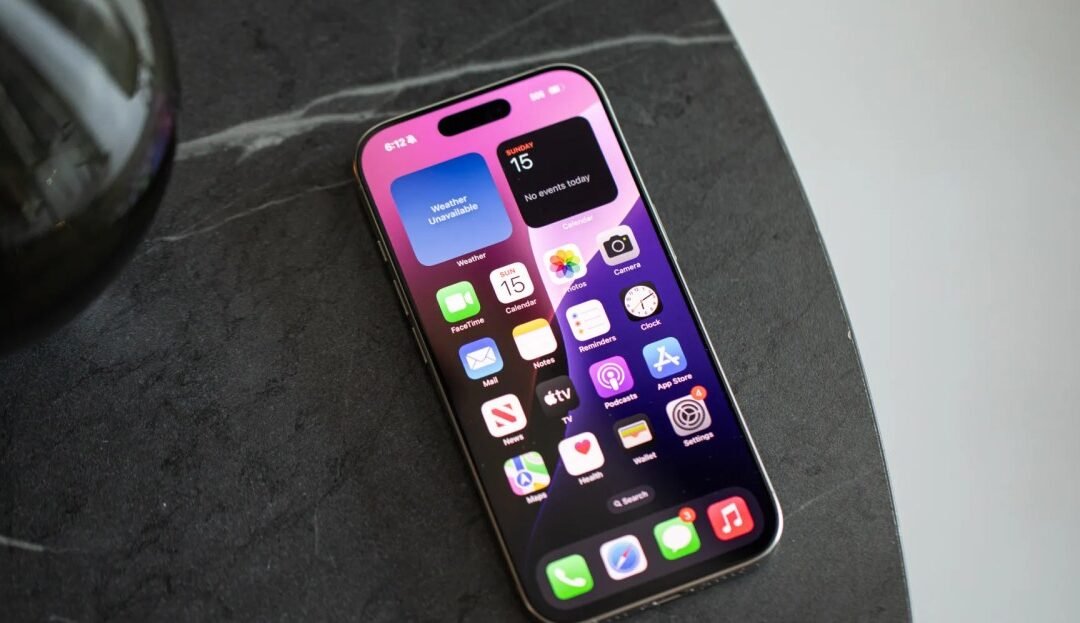
Okay, here’s the nuts and bolts of what shows up in your Settings if you’ve got this update on iPhone 15:
- Go to Settings > Battery > Battery Health & Charging
- There’s a new label that says “Charging Optimization.”
- Below it, it’ll say “iPhone has learned your charging patterns to reduce battery aging.”
Simple, right? The interface is clean—very Apple. What impressed me most is that the update is seamless. There’s no massive setting to tweak or charts to study. Just an opt-in feature that quietly does its job. That’s the best kind of tech update, in my opinion.
The Future of Apple iPhone Battery Tech Looks Smarter
Apple’s always obsessed over user experience—and now, it feels like they’re folding that mindset into battery health, not just performance or aesthetics. This might only be a small step today, but it’s paving the way for bigger battery-focused features powered by AI in the next iOS versions.
Here’s what I’d love to see next:
- Custom suggestions like: “Hey, looks like you forgot your charger—reduce performance to save battery life?”
- Better real-time battery forecasts based on daily routine, not just screen-on time.
- More control for power users who want to tweak things manually (yes, I’m that nerd).
I don’t know about you, but I love when tech starts meeting us where we are instead of the other way around. It makes using our devices feel more natural, less like a constant game of micromanaging.
Final Thoughts: Is This Really a Game Changer?
If you’re sporting an iPhone 15, this update starts working for you—no extra steps needed. It’s subtle, maybe even invisible most of the time, but that’s the beauty of good design. It’s there when you need it and quiet when you don’t.
For the rest of us on older models, it’s another reason to start eyeing that upgrade (sigh). But at least it’s promising. It shows Apple’s thinking longer-term about our Apple iPhone battery health and not just shipping out bigger batteries and calling it a day.
I’ll leave you with this: batteries aren’t sexy. But freedom from battery anxiety? That’s golden. If AI can help make that a reality—well, sign me up every time.

by TechNova | May 12, 2025 | Tech Insights
As great as the promised update sounds, the Apple Wi-Fi Hotspot feature needs one upgrade to truly feel magical. Don’t get me wrong—what Apple’s planning for iOS 18 will be a big quality-of-life improvement, especially if you’re an iPhone and Mac user. But I can’t help but think: Why stop there when we’re just one small step away from something truly seamless?
I use the Apple Wi-Fi Hotspot almost every day when I’m working remotely or when my home internet decides to have one of its moods (you know those days). If you’ve ever had to fumble through the settings on your iPhone just to connect your MacBook, you already know: the current version often feels a bit clunky. So yes, Apple’s update is a huge deal—but it’s still missing the cherry on top.
What’s Changing With Apple’s Wi-Fi Hotspot Feature?
In the upcoming iOS 18 and macOS Sequoia updates, Apple’s fine-tuning how Personal Hotspot works. Instead of manually selecting your nearby iPhone and typing in a password, your Mac will now be able to automatically connect to your iPhone’s hotspot in the background. Smooth, right?
Here’s what they’re promising:
- Your Mac will detect your iPhone and connect to its hotspot automatically, no extra steps required.
- No need to toggle Personal Hotspot on your phone first—it’ll just… work.
- Better reliability and less wait time when switching from Wi-Fi to cellular data.
That sounds perfect on paper. But in real life? It solves only half the problem.
The Missing Piece: Better Multi-Device Support
Here’s where the sun sets a bit early on Apple’s big hotspot moment. The upgrade seems to focus on one-to-one connections: your iPhone and one Mac. That’s fine if you’re flying solo. But what if you’re like me and juggling multiple Apple devices—say, a MacBook, an iPad, and maybe even a second Mac at home?
Imagine this:
- You’re out with your Mac and iPad—both need internet.
- Your iPhone can offer hotspot to only one of them at a time.
- If the Mac grabs the connection first, your iPad is left refreshing endlessly.
It feels like a silly limitation for an ecosystem that’s supposed to “just work,” doesn’t it?
What would make things magical is true multi-device hotspot sharing. Let me connect my iPhone to all my gear at once—seamlessly, securely, and without having to micromanage which device taps in. That’d be the upgrade that pulls Apple’s Hotspot feature from “really convenient” to “why doesn’t everyone do this?”
When Your Workflow Depends on Instant Internet
Last month, I went to a cozy little cabin for a creative reset. No cable, no distractions, but one big lifeline: my iPhone’s hotspot. I took along my MacBook and iPad, thinking I’d jump between them as needed. But here’s the kicker—I had to keep disconnecting the hotspot from one device to use it on the other.
It wasn’t the end of the world, but it was definitely not the intuitive experience I expect from Apple. Things like this remind you how even small limitations can slow you down when you’re in a flow. And they pull you out of that dreamy “everything syncs” bubble that Apple usually nails.
Why the Apple Wi-Fi Hotspot Could Be So Much More
This update is clearly aimed at streamlining the user’s day-to-day. That’s great! But the bar is high, especially for Apple. Their best features—Hand-off, AirDrop, Continuity Camera—don’t just work. They anticipate what you want. That’s what the Apple Wi-Fi Hotspot function should aim for, too.
Here’s the dream version:
- You walk into a coffee shop with no Wi-Fi.
- Your Macbook, iPad, and maybe even an Apple Watch with cellular all start pulling data from your iPhone instantly.
- No settings, no buttons, no fumbling. Just internet, without effort.
And if Apple’s worried about battery life or data management? They’ve already got the smarts in iOS to handle that. Prioritize devices. Warn me about excess data drain. But please, let me stay in the zone without babysitting my hotspot.
Security and Limits: Legit Concerns, But Fixable
Now, to be fair, I get the possible reasons why Apple’s holding back. Tethering multiple devices to one phone could bog down performance or chew through your battery. There are also privacy questions—like, how do you know you’re really connecting to your phone and not a lookalike device?
But come on, Apple’s the king of solving tough tech puzzles behind the scenes. Face ID, App Privacy Reports, even AirTags with anti-stalking alerts—they’ve done it all. If any company can make multi-device Personal Hotspot both secure and intelligent, it’s Apple.
So while I respect the cautious approach, I still think they can push further without opening a security can of worms. Just build in some smart context: only allow verified devices under your Apple ID. Limit to three, or even just two, simultaneous peers. Let users toggle it off if they don’t want that behavior. Options, not limitations—that’s always the better user experience.
What This Means for Everyday Users Like Us
Honestly, most people probably won’t notice the current limit until they hit it. But once you rely on the Apple Wi-Fi Hotspot even a little, its quirks start to show. From students to freelancers to road warriors like me, hotspots can be lifelines. They shouldn’t come with caveats.
This update is a good step, and I’ll welcome it with open arms. No more poking through Settings or facing that dreaded “Cannot Connect” error. But I’ll still be wishing for more—because I know Apple can do it.
So here’s my personal ask: Let my iPhone be the reliable, connected hero it wants to be. Give it the gift of multi-device support, and you’ll have one happy blogger on your hands.
Final Thought—Close Enough, But Not Quite There
We’re on the brink of something great. Apple’s Wi-Fi Hotspot feature is so close to evolving into exactly what the ecosystem needs. It’s already useful—and it’s about to get a lot better. But one more step would unlock a whole new level of convenience for folks like me who live and work across multiple Apple devices.
And let’s be real: if we’re dreaming of a future where our tech just fades into the background and works, then this is one small upgrade that’d make a big difference.
Till then, I’ll be toggling, switching, and waiting… at least a little less than before.
by TechNova | May 12, 2025 | Tech Insights
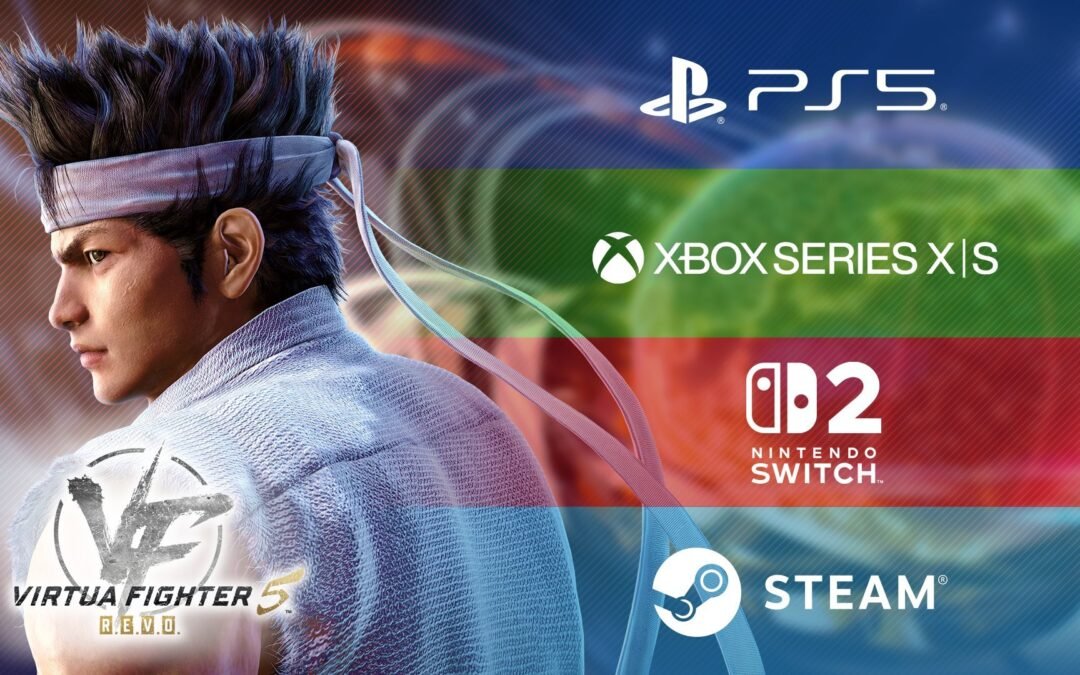
After years of updates, spinoffs, and quiet revivals, Virtua Fighter 5 R.E.V.O. is finally stomping and somersaulting its way onto next-gen consoles. That’s right—our old dojo darling is stepping into the spotlight once again with a fresh lick of polish, new features, and multi-platform glory. Whether you played Virtua Fighter 5 religiously at the arcade or grew up losing to your older cousin on PlayStation 3 (guilty), this is one return that’s punching straight at the feels.
Announced in a burst of nostalgia and hype, the new game is dropping on PlayStation 5, Xbox Series X|S, and—surprise!—the Nintendo Switch 2. Yeah, we’re finally getting Virtua Fighter on a Nintendo console. That alone is historic.
What’s New in Virtua Fighter 5 R.E.V.O.?
At first glance, you might be tempted to think this is just one more remaster—but hold your joysticks.
According to the official reveal (which I practically inhaled with excitement), Virtua Fighter 5 R.E.V.O. isn’t just about upgraded visuals. Sure, the game looks incredible with ray tracing, smoother frame rates, and models that no longer resemble 3D mannequins. But there’s more than chrome and shadows here—it’s about bringing a classic fighter into the modern gaming space.
- Rollback netcode – finally, online matches that don’t feel like a game of slide-show kung fu.
- Crossplay support – PS5, Xbox, and Switch users can now trade blows like old-school rivals.
- Enhanced Training mode – helping newcomers sharpen their skills without digging through obscure wikis and old forum posts.
- Character customization – even more wild outfits and accessories to turn Akira into your personal fashion statement.
For me, though, the real kicker is the attention to the classic feel of Virtua Fighter. As modern as this update is, it’s still that same deliberate, deeply technical fighter we grew up on. No energy blasts or ten-hit anime juggles—just crisp movement, mind games, and oh-so-satisfying counters. That’s rare these days, and man, I respect them staying true to it.
The Legacy of Virtua Fighter 5
Let’s talk about that legacy for a sec. Virtua Fighter 5 first landed way back in 2006, and even then it was ahead of its time. I remember watching tournaments on grainy YouTube videos, marveling at how each fighter had unique spacing, timing, and flow. There weren’t many games like it.
But here’s the honest truth: outside of Japan, the series kind of slipped under the radar over the years. While Tekken and Street Fighter monopolized the spotlight, Virtua Fighter became something of a hidden gem. A cult classic. A game you only heard about from “that one serious fighting game friend.” (Again, guilty.)
So this new release? It’s meaningful. It feels like a comeback tour for a band that never sold out—pure, crisp, and ready to school a whole new generation of players.
Is Virtua Fighter 5 R.E.V.O. for You?
Short answer? Probably, yeah. But let’s break it down.
- If you love deep gameplay mechanics that reward timing and reading your opponent, this is your game.
- If you’ve been itching for a fighter that doesn’t rely on flashy, over-the-top chaos, you’ll feel right at home.
- And if you’re brand new and maybe a little intimidated? Don’t sweat it. The enhanced Training mode makes learning approachable.
I spent most of last weekend diving into a preview build (a friend hooked me up early—bless her). I forgot how satisfying it is to outmaneuver someone with just a sidestep and a clean counter. No meter burns, no rage drives. Just good ol’ fashioned technique.
And playing it on PS5? It feels buttery smooth. Load times are basically nonexistent. Matches start up almost instantly, and even in online lobbies with crossplay turned on, it feels tight and responsive. I hear the Switch 2 version is surprisingly solid, too—not quite as sharp, but still very playable.
How R.E.V.O. Changes the Fighting Game Scene
So why does this matter beyond the nostalgia factor? Because having a game like Virtua Fighter 5 R.E.V.O. on modern consoles—and accessible to multiple player bases—has ripple effects.
It encourages a new wave of players to try a style of fighting game that’s more grounded. It gives tourney organizers a classic-style fighter with updated tech. And it just gives all of us another option that isn’t part of the usual big-three circuit.
My Takeaway: A Welcome Return to Simpler (and Smarter) Fights
These days, everything’s gotta be loud, fast, and overflowing with particles. And listen, I love a dramatic anime punch as much as the next person—but Virtua Fighter reminds me that less can be more. That the real rush comes from mastering the fundamentals, not just flailing with flash.
Virtua Fighter 5 R.E.V.O. brings that back with a level of care and fidelity you can just feel. It’s like they polished it not just for sales, but because they love it—and maybe know we love it too, even if we forgot for a little while.
So yeah, I’m excited. For the matches I’ll win, and the ones I’ll lose. For the joy of learning frame data I’ll forget tomorrow. And for discovering that you can, in fact, teach an old wolf—or panther, or drunken master—some new tricks.
See you in the ring.
by TechNova | May 11, 2025 | Tech Insights
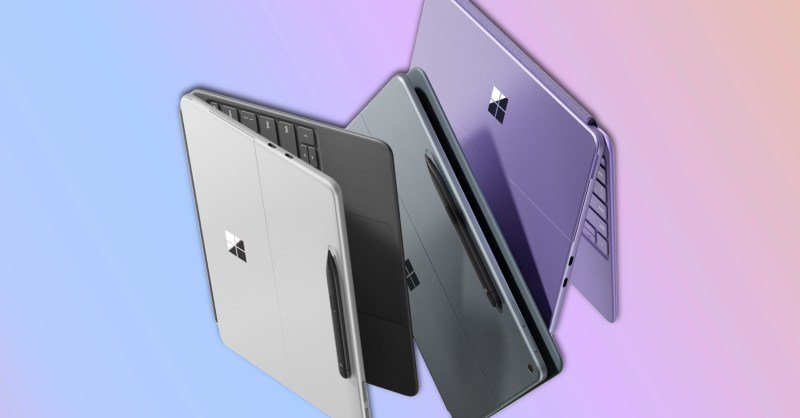
If you’ve ever felt like your tablet just couldn’t keep up with your life, you’re going to love the Microsoft Surface Pro tablet performance boost. Seriously, I’ve been using tablets for years—mostly for reading, emails, some light streaming. But when it came to real work? They just didn’t cut it. That’s why I’d always end up dragging my laptop around even for small tasks. But something finally clicked with the Microsoft Surface Pro, and it’s got me thinking… maybe Windows tablets are ready to shine.
Why the Surface Pro Finally Feels Like a Real Computer
Let’s be real—most tablets feel like they’re pretending to be something they’re not. Fancy designs, slim bodies, quirky keyboards… but scratch the surface (no pun intended), and performance just wasn’t there. But this recent generation of the Surface Pro? It’s changed the game.
With its 12th-gen Intel chips and a sharper focus on performance, the Surface Pro is genuinely capable now. Like, legit “I can edit photos AND have 20 browser tabs open” kind of capable. That’s a big deal. Especially for someone like me who’s always juggling tasks and minimizing windows like a maniac.
The Surface Pro has always looked the part—sleek, premium, feels great in the hand. But now, the internals match the promise. It no longer feels like you’re sacrificing power for portability. You’re getting both.
Performance Boost That Feels Instant
So what does this Surface Pro performance boost actually feel like on a daily basis? I’ll sum it up in three words: fast, fluid, and freeing.
- Fast: Apps open instantly. Documents save without a hiccup. Multi-tasking doesn’t slow things down.
- Fluid: The 120Hz refresh rate makes everything feel buttery smooth. Scrolling? Like silk. Writing with the Surface Pen? Ridiculously responsive.
- Freeing: I can leave my laptop behind and not feel anxious. That’s a first for me.
I recently took the Surface Pro on a weekend trip—left my laptop at home on purpose. I was nervous, but guess what? It kept up just fine. Typed up a few posts, edited some photos, watched Netflix, even jumped into a Zoom call using the front camera. Didn’t miss my laptop at all.
Battery Life That Actually Lives Up to the Hype
What really ties it all together is the improved battery life. Earlier versions of the Surface were notorious for dying before the day was over. But now? We’re talking all-day use.
I started my morning at a coffee shop around 9 a.m., worked straight through until lunchtime, had a video call, managed some photo edits—and it still had juice left at 5 p.m. That’s huge, especially for travelers or folks like me who hop from errands to meetings in a single breath.
The Microsoft Surface Pro Form Factor Still Rocks
One thing that’s never changed and still deserves praise: the form factor. The kickstand is iconic for a reason. Whether I’m typing at a desk, sketching ideas with the pen, or propping it up on the couch to binge a series—it adapts to me, not the other way around.
And let’s talk about the keyboard. It’s not just a flimsy accessory anymore. The latest Type Cover is backlit, solid, and has actual travel. I’ve written this entire article on it—and if that’s not a stamp of approval, I don’t know what is.
Is Windows Finally Good on Tablets?
This is the big question. And honestly? I think the answer is yes.
Windows 11 feels more touch-friendly than ever. It’s not perfect, but it’s miles ahead of where it used to be. Icons are better spaced. Gestures are intuitive. And with auto-scaling improvements, things don’t randomly appear microscopic or massive for no reason.
I wouldn’t have said this a year ago, but the combo of responsive hardware and smarter software makes Windows on a tablet not just usable—but enjoyable.
Who Is the Microsoft Surface Pro Really For?
Here’s where it gets interesting. Five years ago, I’d have said this was a device for niche users—graphic designers, business execs, maybe students with deep pockets. But now? The improved performance is making it attractive to a broader crowd.
- Students: Light enough to carry all day, powerful enough to run full desktop apps like Word or Excel.
- Freelancers: Whether you’re writing, editing, or designing, the Surface Pro can handle the workload.
- Everyday multitaskers: If you’re someone who hops between email, streaming, spreadsheets, and social media—you’ll love this machine.
I always tell my friends: if your work depends on flexibility and you want one device to rule them all, this might just be it.
Final Thoughts on the Microsoft Surface Pro Evolution
For me, the Microsoft Surface Pro went from a “nice-to-have gadget” to a reliable daily driver. It’s no longer content with being a tablet that occasionally dabbles in laptop territory. Now it’s confidently both—and that’s something I didn’t expect to say.
Is it perfect? Nah. I still think Windows 11 has room to grow in certain touch scenarios, and accessories can get pricey. But the trade-offs are getting smaller and the benefits much bigger.
This isn’t just a performance bump. It’s a turning point.
And if you’ve ever felt let down by a tablet before, trust me—you might want to give the new Surface Pro a closer look. It could surprise you the same way it surprised me.
