
by TechNova | Oct 21, 2025 | Tech Insights
So, I’ve finally had some proper hands-on time with the game, and here’s my totally unfiltered Ninja Gaiden 4 gameplay impressions and review after slicing (and being sliced) through hours of high-octane combat. If you’ve ever played a Ninja Gaiden game before, you probably already know what to expect: it’s fast, it’s punishing, and it’s absolutely relentless. But this new chapter? It’s bolder, sharper, and kind of addictive in that “just one more try” way that only a few games manage to pull off.
First Impressions: Ninja Gaiden 4 Hits Hard and Fast
Alright, let’s get one thing clear: Ninja Gaiden 4 doesn’t care about your feelings. Right out the gate, it throws you into combat that demands focus, timing, and let’s be honest—patience. The controls are tight. The combos feel fluid. There’s this almost rhythmic beauty in the way Ryu Hayabusa moves between enemies like a spinning blade of death. It’s flashy, yes, but every slice, dodge, and counter feels like it counts.
I remember getting bodied in the first fifteen minutes and thinking, “Okay, I’m going to need snacks… and a lot of humility.” And that’s exactly why I kept going. The game punishes you, but in a way that’s fair. It wants you to be better—and give it credit, it somehow makes dying a dozen times in a row feel like progress. Weird, but it works.
Combat That Keeps You on Your Toes
Let’s break it down. The combat is still the beautiful carnage we know and love from the series, but now it’s amped up with smoother animations, smarter enemy AI, and weapons that each feel like their own mini-game.
- Dual Katana: Fast, aggressive, and perfect for crowd control.
- Kusarigama: Tricky but super fun once you master its range.
- Claws: Up close and personal—brutal and satisfying.
Each weapon has its own style, and switching mid-fight adds a lot of depth. I found myself experimenting just for the fun of it, especially when I hit a wall on certain bosses. Speaking of which…
Boss Fights That Push Your Limits
Remember that boss fight that makes you pause, take a breath, and question your life choices? Ninja Gaiden 4 has plenty of those. Each boss feels handcrafted to test a different skill set. One minute you’re dodging flaming blades, and the next you’re navigating a screen-filling laser storm while trying to land two hits before getting obliterated.
They’re tough, but never repetitive. And that balance? That’s the magic sauce.
The Look and Feel: Ninja Gaiden 4’s Visual Identity
Visually, this game isn’t trying to reinvent the wheel, but you can tell it’s polished to a blade-like sheen. The environments are moody and atmospheric, from neon-soaked cityscapes to foggy temples that echo with mystery. It’s not hyper-realistic, but it’s stylish—in that way that feels so distinctly Ninja Gaiden.
There are moments where I just stopped and stared. Like, mid-level. Took a break on a rooftop to soak in a crimson sunset while enemies patrolled below. Ridiculous, I know. But it’s those little moments that elevate the experience.
The Soundtrack: Understated, Then Unexpectedly Epic
Okay, let’s talk audio. Initially, I thought the soundtrack was kind of understated. But then came a boss fight with this pulsing traditional-meets-electro score and I was like… wait, is this making me fight better? Probably not, but it felt like it.
The music builds naturally with each level, and it adapts to the pace of battles. Also, the sound effects—holy shuriken—the crunch of a well-placed blow is so satisfying. Every clash feels heavy, and there’s real impact behind each hit.
What’s New in Ninja Gaiden 4?
So, what sets this apart from earlier entries—or any other hack-and-slash right now? Glad you asked.
- Better stealth mechanics: Sneaking around actually works this time. You can approach situations creatively instead of running headfirst into chaos (but hey, that’s fun too).
- Parry system: Yes, it takes time to learn. But once you start parrying like a beast? Game-changer.
- Better pacing: Unlike some previous entries, this one gives you breaths between madness. Not restful, but at least you’re not in a constant chase.
One of the coolest changes is how Ryu’s character is portrayed. Without going into too many spoilers, there’s more depth to him. He feels human. Complex. Not just a walking blade machine (though he’s still very much that too).
Final Thoughts: A Brutally Gorgeous Return
Ninja Gaiden 4 doesn’t reinvent the core formula—but it doesn’t have to. It hones what works, trims the fat, and adds enough new tricks to keep both veterans and newcomers hooked. It’s the kind of game that rewards persistence and punishes hesitation. But if you give it your time, it pays you back in full.
If you’ve been craving a real challenge, something fast, beautiful, and just this side of unforgiving, this game is it. I won’t lie—there were rage quits. There were controller grip marks on my palms. But there were also those fist-pumping moments when I finally cleared an impossible gauntlet or stuck that final blow with zero health left.
And honestly? That’s why I play these games. For the challenge. For the triumph. For those tiny moments of glory that you earn one blade swipe at a time.
Bottom line: Ninja Gaiden 4 is back, and it’s still got bite. Just… maybe keep a stress ball nearby.
by TechNova | Oct 21, 2025 | Tech Insights
When I first read about the Kohler Dekoda Smart Toilet Camera for Bathrooms, my eyebrows did one of those cartoonish jumps. A camera? Pointed at a toilet? Is this real life? But as I kept reading, I realized this isn’t your everyday smart home gadget — it’s part of a growing trend to monitor health data in ways we never considered before. The Kohler Dekoda Smart isn’t about spying or recording (thankfully), but about insight. And dare I say it — it’s a bit futuristic.
What Exactly Is the Kohler Dekoda Smart About?
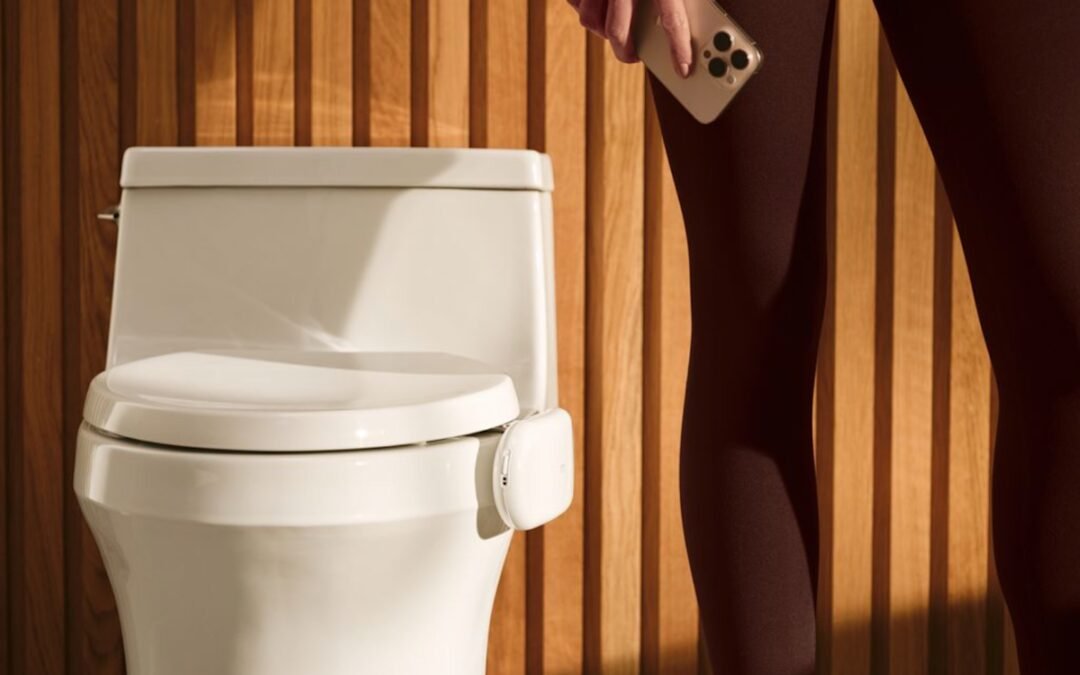
So let’s start with the basics: this high-tech toilet attachment comes from Kohler’s massive push into smart bathroom solutions. It’s not just a fancy seat warmer. The Dekoda packs an RGB camera, LED lighting, sensors, and AI — yes, literal artificial intelligence — all focused on monitoring your “output.” In less delicate terms, yes, it’s scanning your poop. But for good reason.
The idea is to capture data on your stool’s shape and consistency and use it to monitor digestive health. It’s not taking videos or tracking your skincare routine while you’re in there. It’s aiming to help detect early signs of issues like gastrointestinal disorders, dehydration, inflammation, or even flare-ups in conditions like IBS or Crohn’s disease.
Kind of wild, right? But also kind of genius.
Why Would Anyone Want a Smart Toilet Camera?
Let’s be real: nobody’s ever said, “You know what I need? A camera in my toilet.” But once you dive into the concept behind the Kohler Dekoda Smart, it actually makes sense — especially if you live with chronic digestive problems or are just health-curious like me.
Here’s the thing: our bodies are always giving us signals. But how often do we actually pay attention to our bowel movements unless something feels… off? Adding a tool that discreetly and consistently monitors what’s going on gives you the chance to catch patterns early, even before symptoms show up.
And between balancing work, trying to eat right, and remembering to hydrate (still bad at that), I actually kind of like the idea of having a health buddy built right into my bathroom routine.
Built for Privacy (Yes, Really)
Okay, but let’s address the obvious. A toilet camera? That’s enough to make anyone uneasy. But Kohler’s been very clear that Dekoda is not recording audio or video in a conventional sense. The RGB camera used is focused solely on detecting shapes and colors to assess stool quality. It doesn’t store identifying visuals, and it’s backed by end-to-end encryption that meets healthcare privacy standards.
It’s not live-streaming. It’s not sharing data with sketchy third parties. It’s not even making you look at images unless you really want to. In other words — yes, it’s a camera. But it’s probably the most boring, strictly-business camera you’ll ever own.
What It Can Do — And What It Can’t
So, what do you actually get out of this thing? From everything I’ve seen so far, here’s how the Kohler Dekoda Smart experience breaks down:
- Hands-off health tracking: It automatically syncs data to a connected app so you can view stool patterns — things like frequency, shape, and potential markers.
- Digestive insights: Over time, the AI learns what’s normal for YOU and flags when something looks off. Think of it as a bathroom-based check engine light.
- User recognition: If multiple people in your household use the same smart toilet, it learns to tell the difference. (Honestly both cool and slightly “Black Mirror,” if I’m being honest.)
- No contact or cleaning stress: It’s designed to stay clean with antimicrobial materials and low-maintenance components. And everything is designed to feel like a regular toilet visit — not a medical appointment.
That said, it’s not a replacement for your doctor. The data it collects isn’t a diagnosis; it’s a nudge to go get one if something looks wrong. It won’t tell you what you ate yesterday or why you’re bloated, but it just might help catch health concerns before you need to Google scary stuff in a panic at 2AM.
The Price Tag: Worth It or Way Too Much?
The Dekoda unit is reportedly priced around $600 when it officially releases. That’s not nothing — especially if you’re not already deep into the smart home world. But if you’ve already got a smart watch, a sleep tracker, or a fitness app logging your every step, why stop at the bathroom?
And for folks who genuinely struggle with digestive issues, it could be a game changer. Six hundred dollars sounds like a lot — but so do surprise ER visits and long waits for gastro specialists.
Would I Put This in My Bathroom?
Short answer? Maybe. If I’m being honest, it would take some getting used to. I’m pretty private about my bathroom routine (isn’t everyone?), but I also love the idea of putting tech toward genuinely helpful, health-forward uses. I’ve already got smart lights, an app to track my sleep, and a fridge that texts me when I’m out of oat milk. Maybe the bathroom’s just the next frontier.
The married side of me is also wondering how I’d explain to guests what the glowing seat in our downstairs powder room does. But maybe this isn’t a “company bathroom” thing. Maybe it’s like a fancy bidet — personal, low-key, and 90% for your own wellness.
Future of Bathroom Tech?
I think this is where we’re headed, honestly. Just like we once rolled our eyes at smart watches counting steps, we’ll probably all have some kind of health-monitoring bathroom gadget by 2030. I’d be lying if I said I wasn’t intrigued. And the idea of catching health issues early — or even just learning more about how your body responds to stress, food, or travel — is seriously appealing.
Technology’s getting more personal, whether we like it or not. And the Kohler Dekoda Smart toilet cam is proof that we’re now asking our tech to care about us — even when we’re at our most vulnerable and, honestly, unglamorous.
Final Thoughts: More Than Just a Gimmick?
Look, the optics of a toilet camera are weird. I laughed. I cringed. I texted the article to friends with wide-eyed emojis. But after reading more about the design, the privacy, and the actual health benefits, I’m coming around.
The Kohler Dekoda Smart system isn’t just about data for the sake of it. It’s about staying in tune with your body in a way that’s simple, discreet, and — dare I say — kind of revolutionary. If it helps catch something early or gives peace of mind to someone with a chronic condition, it’s not just smart. It’s meaningful.
Would you give it a shot? Or is this one smart home upgrade just a flush too far?
by TechNova | Oct 21, 2025 | Tech Insights
When I first read about the Kohler Dekoda Smart Toilet Camera for Bathrooms, my eyebrows did one of those cartoonish jumps. A camera? Pointed at a toilet? Is this real life? But as I kept reading, I realized this isn’t your everyday smart home gadget — it’s part of a growing trend to monitor health data in ways we never considered before. The Kohler Dekoda Smart isn’t about spying or recording (thankfully), but about insight. And dare I say it — it’s a bit futuristic.
What Exactly Is the Kohler Dekoda Smart About?
So let’s start with the basics: this high-tech toilet attachment comes from Kohler’s massive push into smart bathroom solutions. It’s not just a fancy seat warmer. The Dekoda packs an RGB camera, LED lighting, sensors, and AI — yes, literal artificial intelligence — all focused on monitoring your “output.” In less delicate terms, yes, it’s scanning your poop. But for good reason.
The idea is to capture data on your stool’s shape and consistency and use it to monitor digestive health. It’s not taking videos or tracking your skincare routine while you’re in there. It’s aiming to help detect early signs of issues like gastrointestinal disorders, dehydration, inflammation, or even flare-ups in conditions like IBS or Crohn’s disease.
Kind of wild, right? But also kind of genius.
Why Would Anyone Want a Smart Toilet Camera?
Let’s be real: nobody’s ever said, “You know what I need? A camera in my toilet.” But once you dive into the concept behind the Kohler Dekoda Smart, it actually makes sense — especially if you live with chronic digestive problems or are just health-curious like me.
Here’s the thing: our bodies are always giving us signals. But how often do we actually pay attention to our bowel movements unless something feels… off? Adding a tool that discreetly and consistently monitors what’s going on gives you the chance to catch patterns early, even before symptoms show up.
And between balancing work, trying to eat right, and remembering to hydrate (still bad at that), I actually kind of like the idea of having a health buddy built right into my bathroom routine.
Built for Privacy (Yes, Really)
Okay, but let’s address the obvious. A toilet camera? That’s enough to make anyone uneasy. But Kohler’s been very clear that Dekoda is not recording audio or video in a conventional sense. The RGB camera used is focused solely on detecting shapes and colors to assess stool quality. It doesn’t store identifying visuals, and it’s backed by end-to-end encryption that meets healthcare privacy standards.
It’s not live-streaming. It’s not sharing data with sketchy third parties. It’s not even making you look at images unless you really want to. In other words — yes, it’s a camera. But it’s probably the most boring, strictly-business camera you’ll ever own.
What It Can Do — And What It Can’t
So, what do you actually get out of this thing? From everything I’ve seen so far, here’s how the Kohler Dekoda Smart experience breaks down:
- Hands-off health tracking: It automatically syncs data to a connected app so you can view stool patterns — things like frequency, shape, and potential markers.
- Digestive insights: Over time, the AI learns what’s normal for YOU and flags when something looks off. Think of it as a bathroom-based check engine light.
- User recognition: If multiple people in your household use the same smart toilet, it learns to tell the difference. (Honestly both cool and slightly “Black Mirror,” if I’m being honest.)
- No contact or cleaning stress: It’s designed to stay clean with antimicrobial materials and low-maintenance components. And everything is designed to feel like a regular toilet visit — not a medical appointment.
That said, it’s not a replacement for your doctor. The data it collects isn’t a diagnosis; it’s a nudge to go get one if something looks wrong. It won’t tell you what you ate yesterday or why you’re bloated, but it just might help catch health concerns before you need to Google scary stuff in a panic at 2AM.
The Price Tag: Worth It or Way Too Much?
The Dekoda unit is reportedly priced around $600 when it officially releases. That’s not nothing — especially if you’re not already deep into the smart home world. But if you’ve already got a smart watch, a sleep tracker, or a fitness app logging your every step, why stop at the bathroom?
And for folks who genuinely struggle with digestive issues, it could be a game changer. Six hundred dollars sounds like a lot — but so do surprise ER visits and long waits for gastro specialists.
Would I Put This in My Bathroom?
Short answer? Maybe. If I’m being honest, it would take some getting used to. I’m pretty private about my bathroom routine (isn’t everyone?), but I also love the idea of putting tech toward genuinely helpful, health-forward uses. I’ve already got smart lights, an app to track my sleep, and a fridge that texts me when I’m out of oat milk. Maybe the bathroom’s just the next frontier.
The married side of me is also wondering how I’d explain to guests what the glowing seat in our downstairs powder room does. But maybe this isn’t a “company bathroom” thing. Maybe it’s like a fancy bidet — personal, low-key, and 90% for your own wellness.
Future of Bathroom Tech?
I think this is where we’re headed, honestly. Just like we once rolled our eyes at smart watches counting steps, we’ll probably all have some kind of health-monitoring bathroom gadget by 2030. I’d be lying if I said I wasn’t intrigued. And the idea of catching health issues early — or even just learning more about how your body responds to stress, food, or travel — is seriously appealing.
Technology’s getting more personal, whether we like it or not. And the Kohler Dekoda Smart toilet cam is proof that we’re now asking our tech to care about us — even when we’re at our most vulnerable and, honestly, unglamorous.
Final Thoughts: More Than Just a Gimmick?
Look, the optics of a toilet camera are weird. I laughed. I cringed. I texted the article to friends with wide-eyed emojis. But after reading more about the design, the privacy, and the actual health benefits, I’m coming around.
The Kohler Dekoda Smart system isn’t just about data for the sake of it. It’s about staying in tune with your body in a way that’s simple, discreet, and — dare I say — kind of revolutionary. If it helps catch something early or gives peace of mind to someone with a chronic condition, it’s not just smart. It’s meaningful.
Would you give it a shot? Or is this one smart home upgrade just a flush too far?
by TechNova | May 17, 2025 | Tech Insights
Let me tell you, when I first heard about Android 16 Notification Magic Actions with Gemini AI, I thought it sounded like something from a sci-fi movie. But nope—it’s real. And honestly? It’s the kind of practical magic our phones have needed for a long time. I’ve been playing around with the Android 16 Notification features on my Pixel for a few days now, and I’m genuinely impressed by how seamlessly it reads my mind. Almost creepy. Almost.
Why Android 16 Notification Magic Feels Like a Personal Assistant
You know those moments when your phone buzzes, you glance at a message, and think, “Ugh, I’ll respond later”—but then you completely forget? That was me every other day. What makes the Notification Magic Actions so special is how they cut out the in-between steps. With help from Gemini AI, Android 16 understands what kind of response is needed, and gently nudges you to take care of things right away.
For instance, I got a text from my sister last week asking, “Are you coming to dinner on Saturday?” Normally I’d open the message, start typing, get distracted by a cat video, and forget all about it. Android 16 suggested three replies—quick, context-aware answers like “Yes, I’ll be there!” or “What time again?” I just tapped and sent. Done. It’s like predictive text, but smarter—and actually useful in a real-world situation.
How Gemini AI Powers These Notification Superpowers
Under the hood, this isn’t just regular auto-reply. Gemini AI is the brains behind the operation, and it’s surprisingly good at catching nuances. It doesn’t just see “Dinner?” and throw out generic responses. It actually processes tone, context, even your past interactions. I tested this by getting a work email with a meeting invite. Instead of offering “Yes or No,” it knew I needed to choose a calendar slot—and popped up with “Accept and add to calendar” or “Suggest a new time.” Smart, right?
This feels less like a gadget and more like an actual assistant that remembers how I like to respond and when. And the beautiful part? I didn’t have to dig through any settings to make it happen. It just worked after I updated to Android 16.
Using Android 16 Notification Features on the Go
My mornings? They’re hectic. Coffee in one hand, grabbing keys with the other, running out the door barely coherent. But even in the chaos, the Android 16 Notification setup manages to simplify things. I was recently on the train when I got a ride-share notification. Without even opening the app, I saw new Magic Actions pop up: “Change drop-off” and “Share ETA.” One tap and it was done. No fumbling. No digging.
I didn’t realize how often I waste seconds (that feel like minutes) just bouncing between apps. Those tiny delays add up. With Android 16 and Gemini in the background, notifications turn into action points—not passive alerts.
Things You Can Do with Android 16 Notification Magic
Okay, so let’s break it down a bit. These are some of the practical, daily things I’ve been using:
- Instant message replies: Whether it’s WhatsApp, Messages, or Slack, I’m getting smart, editable auto-replies based on the conversation’s vibe.
- Email scheduling: Got a Gmail with a request for a meeting? Options appear right in the notification—no app-jumping required.
- Ride-sharing tweaks: Change address, share your ride status, or contact the driver—all from the notification bubble.
- Calendar invites: Accept, decline, or propose new times on the fly.
- Package tracking: If you’re like me and compulsively track deliveries, Magic Actions makes it painless to check on your orders right when the tracking alert hits.
I’m not just listing features here. These things have shaved minutes off my daily routine—without me even noticing at first. That’s the magic, really. It sneaks in and makes life smoother without forcing you to learn something new.
Is It Always Perfect? Well…
I’ll be real—Gemini AI doesn’t get it right 100% of the time. There were a few seriously “what are you thinking?” moments. One time it suggested a reply that was way too formal for a text from my buddy. I burst out laughing. But hey, even human assistants can miss the mark sometimes.
And yeah, not every app is supported yet. I’m hoping they roll out expanded support soon, especially for some less mainstream messaging apps and banking notifications. But what’s already here is impressively intuitive.
The Feel of Android 16 Notification Magic in Daily Life
I’ve started thinking of notifications as small conversations rather than chores to clear from my screen. That subtle shift? It’s made me less overwhelmed, weirdly enough. Before Android 16, I felt like my phone was constantly demanding attention. Now it’s offering help. Gentle nudges instead of digital shouting. It’s changed the relationship I have with my device—and that’s not something I say lightly.
If I’m sitting in traffic or grocery shopping and a task pops up, I don’t sigh and ignore it. I just tap once and boom—done. There’s a sweet rhythm to it. You start trusting your phone a bit more because it’s doing what you would do, not what it’s programmed to do. That’s big.
Should You Bother with Android 16?
If your phone already supports the Android 16 update, absolutely give this a try. The Magic Actions itself feels like a feature we’ll all wonder how we lived without. It’s rare for a software update to change your daily flow like this. Usually you get a new font, a shiny widget, and that’s it. But this? This is life-improving, not just cosmetic.
And if you’re someone who hates having a mile-long notification bar? You’ll appreciate how tidy things feel with this feature. It’s clean, it’s useful, and—dare I say—it’s kind of joyful.
Final Thoughts: A Little Bit of Magic Goes a Long Way
There’s something satisfying about technology that gets out of the way and just lets you live. Android 16 Notification Magic Actions with Gemini AI does that. It blends AI smarts with a human feel, and the result is a phone that thinks with you, not for you.
After a week of using it, I’ve found myself picking up my phone with a little less dread. There’s no chaos waiting—just helpful nudges and smart suggestions. It’s like the tech version of a well-timed cup of coffee. Quietly powerful. And exactly what I didn’t know I needed.

by TechNova | May 16, 2025 | Tech Insights
Imagine the satisfying block drops of Tetris crashing into the strategic, tile-laying vibes of Carcassonne—that’s exactly what you get with the new Drop Duchy Puzzle game. It’s a bold mashup that sounds weird on paper, but trust me, it works. Drop Duchy is that delightful surprise you didn’t know you needed—a blend of reflex-driven puzzling and thoughtful kingdom-building that’s totally absorbing.
I stumbled on the game while scrolling through upcoming indie releases, and something about the pitch stopped me. “Like Tetris, but with medieval duchies.” Wait, what? I downloaded it immediately and didn’t put it down for hours. And when a puzzle game keeps you playing past bedtime on a work night, you know it’s doing something right.
What Makes Drop Duchy Puzzle So Unique?
At its core, Drop Duchy is simple: tiles fall from the sky, and you have to place them to build a coherent duchy—complete with towns, roads, castles, forests, farms—you name it. It’s all about pattern recognition, quick thinking, and long-term planning. Oh, and each tile has special symbols and path connections that link to scoring mechanics.
If that sounds like a lot, don’t worry. The game slowly introduces you to its rhythms, and somehow, the mechanics just click. It reminded me of that learning curve in Tetris where all of a sudden, your hands are moving faster than your brain. But here, there’s this peaceful layer of strategy laid over the whole thing. It’s like cleaning up your mental clutter, one medieval town square at a time.
Deck-Building Meets Tiling: A Clever Twist
One of the most compelling elements of the Drop Duchy puzzle experience is how it fuses deck-building into the falling-tile concept. Instead of a random mess of shapes like in Tetris, you can customize your “deck” of tiles over time.
You collect new tiles by scoring well, and that shapes how your future pieces will drop. It’s subtle, but it gives you ownership over the way your board evolves. Think of it like planning a city with a set of tools unique to you. Want more big houses to boost population? Add ’em to your deck. Prefer winding roads that score high but take finesse to place? You do you.
This alone makes every session feel fresh. No two maps are the same, and your strategy can shift dramatically game-to-game. It opens up avenues for experimentation that most puzzle games just don’t offer.
How Drop Duchy Puzzle Game Combines Brains and Chill
What I love about Drop Duchy is the balance between movement and meditation. It’s not constantly yelling at you to go faster. Sure, there are moments when things ramp up—it wouldn’t be a Tetris homage without that heartbeat-skipping tension—but most of the time, it’s oddly calming.
The soundtrack helps too. It’s rich but understated, like lo-fi beats had a baby with medieval lute tunes. I often found myself bobbing to the music while planning out a tricky placement. It’s soothing without being sleepy.
Paired with the dreamy art style—gorgeous pastel tiles with soft borders and tiny details like chickens in fields or little smoke trails from houses—the game has a gentle magic to it. It invites you to stay awhile, to keep tinkering with layouts until everything feels just so.
Points, Prestige, and The Joy of Optimization
Here’s where the game hooked me long-term: scoring well isn’t just about surviving. It’s about optimization. Do you connect two roads now, or save that tile for a bigger combo later? Do you place a castle in the center of your duchy or save it for a more strategic corner where bonuses stack?
Players who love to tweak and plan will be in heaven. And those of us who get a little thrill from climbing leaderboards? Oh yeah, there’s weekly challenges and crown-based progression systems. It’s just enough carrot to keep you pushing for a better round—without feeling like homework.
Drop Duchy Puzzle: Casual or Hardcore? You Decide
Here’s what I find so clever about the Drop Duchy puzzle formula—it can flex to match the way you play.
- If you just wanna chill, build a few tiny hamlets, and listen to relaxing music, you can do that.
- If you want to min-max your way to duchy greatness and unlock every achievement in sight, that door’s wide open too.
- There’s even a roguelike campaign where every decision about your “tile deck” matters. It’s challenging, but in that “one more run” kind of way.
Seriously, it’s rare to find a puzzle game with this much flexibility. I’ve had sessions where I’m laser-focused, tweaking my tile placement like a surgeon. And nights where I lazily click away while sipping chamomile tea. Both felt worthwhile. That’s magic, honestly.
Tips If You’re Just Starting With Drop Duchy
If this sounds like your kind of thing (and honestly, it should), here are a few casual pointers to spin you up:
- Think in chains. Don’t just place tiles—consider how they’ll connect with future ones.
- Don’t ignore the edge of your duchy. Maximizing space is key when tile drops get tighter.
- Watch for synergies. Certain tiles work exceptionally well together—figure out your favorites early.
- Enjoy the ride. It’s okay to fail a run. There’s joy in watching your little kingdom grow, even if it’s a hot mess.
Most importantly, give yourself permission to play without pressure. The game’s beauty is in the process, not just the score.
Final Thoughts on the Drop Duchy Puzzle Experience
If you’ve got a soft spot for puzzles, a love of medieval aesthetics, or even just a craving for something different, Drop Duchy is worth every second. It’s rare to see a game that dares to blend so many genres—and even rarer when the fusion works this well.
I walked into this game expecting a clever twist on familiar tropes. What I found was one of the most thoughtful, quietly addictive puzzle games I’ve played in years. It’s the kind of game that makes you smile when you boot it up. That gently holds your attention after a long day. That sends you to bed thinking, “Okay, just one more tile…”
So if you need a break from bloated AAA chaos, if you miss games that are just fun to be in—do yourself a favor and try Drop Duchy. You might just stay a while.
