
by TechNova | Jan 31, 2025 | Tech Insights
Wow, this one caught me a little off guard. If you’ve been keeping an eye on the tech world recently, you’ve probably felt the ripple of news from Google’s latest move. The company is offering a voluntary exit program for employees on its Android, Chrome, and Pixel teams. That’s right—voluntary. If your first thought was, “Hmm… doesn’t sound like your run-of-the-mill layoff,” you’re not alone.
I don’t know about you, but when I hear “voluntary exit,” it kinda feels like one of those euphemisms we throw around—like when you break up with someone and say, “It’s mutual,” but deep down, one person was probably a little more ready to let go than the other. So, what exactly is going on here? Let’s break it down together.
What’s the Voluntary Exit Program All About?
Basically, Google has rolled out an initiative allowing employees in specific teams—namely Android, Chrome, and Pixel—to leave the company voluntarily. This isn’t a mass layoff (at least, not in the official sense), nor is it one of those dreaded surprise calls letting workers go on the spot. Instead, Google’s giving team members the choice to opt out of their positions, usually with some kind of financial package or benefits to soften the landing.
Now, before you jump to conclusions, there’s a takeaway worth hanging onto: this move is voluntary. That’s huge. It means Google’s giving its employees the autonomy to decide what’s next for them. But it also raises a big question—why is Google doing this now?
Why Target the Android, Chrome, and Pixel Teams?
Let’s face it—Google’s crown jewel isn’t just one product anymore. It’s this enormous ecosystem. Sure, Android powers billions of devices globally, and Chrome is the world’s most popular browser. Pixel may not dominate like its rivals, but it has its dedicated fans (me, included). Yet here we are, with Google prompting people on these very teams to… consider stepping away.
It boils down to priorities and performance. Google’s known for scaling back on less critical projects to sharpen its focus on the big stuff. With the tech industry facing a quieter market period—fewer gadgets flying off shelves, budget-conscious consumers, and saturation hitting certain sectors—it’s possible that Google is eyeing leaner, more efficient operations.
It could also just be about reshuffling internal resources. The idea being: trim redundancies, let people leave on their own terms, and reinvest energy in areas where they see more long-term value. But let’s not sugarcoat it—it’s likely connected to managing costs, too. In today’s market, companies of all sizes are tightening their belts, and yeah, even tech giants feel it.
What Does This Mean for Google Employees?
If you’re working on one of these teams, I’m sure there’s a mix of emotions. When these programs are announced, plenty of questions come rushing in—“Should I stay and see what happens?” “Should I take the offer and leave?” What’s tricky is that there’s no one-size-fits-all answer. I mean, it’s a deeply personal decision, right?
If I had to guess, some employees might see this as an opportunity. Think about it: a voluntary exit package could be a golden ticket to pivot to something new—whether it’s launching a side project, joining another company, or just taking a breather after years of climbing the corporate ladder. On the flip side, some folks genuinely love what they do. Maybe they believe in their team’s mission or have unfinished goals to chase. For those people, staying put might feel like the right call, even if uncertainty looms.
The Human Angle: Let’s Talk Feelings
It’s easy to focus on the business side of announcements like this, but let’s not forget the human layer. If you’re one of the people navigating this decision, it’s natural to feel overwhelmed—or maybe even a little conflicted. These programs come with so many “what ifs” that it’s hard not to second-guess yourself. I’d imagine there’s some chatter happening in Slack channels or WhatsApp groups right now. People hashing out their thoughts, trading concerns, and trying to figure out the best move. And honestly? That’s a good thing—talking it out helps. Sometimes you just need to hear yourself say it out loud to figure out how you really feel.
What About the Bigger Picture?
Okay, stepping back for a moment—what does this mean for the rest of us watching from the sidelines? It’s a fascinating peek into how big-name tech companies are responding to today’s changing landscape. Offering a voluntary exit program rather than going straight to layoffs might hint at a shift in how companies manage their workforce. Maybe it’s less of the abrupt, impersonal layoffs we’ve all grown to dread and more of a measured, mutual agreement.
And if you’re wondering about Google’s future, let’s be real—it’s still Google. One announcement like this doesn’t mean the Android, Chrome, or Pixel teams are disappearing tomorrow. Yeah, they’re probably restructuring, re-strategizing, or reallocating resources. But that’s not unique to Google. Ask anyone who’s been in tech for a minute, and they’ll tell you: change is the only constant in this space. Companies pivot all the time—it’s how they stay afloat, plain and simple.
What Can Other Companies Learn?
If I were running a business (hey, a blogger can dream!), I’d take a few notes here. First, Google’s approach seems to prioritize transparency. They’re laying the cards out on the table and letting employees make their own decisions. That’s uncommon in an industry that sometimes feels like it runs on abrupt, top-down decisions.
Second, offering a voluntary exit program isn’t just about trimming the fat—it’s about giving employees ownership of their career path. It puts some dignity and choice back in an otherwise tough situation. I mean, how many times have we all heard stories of people blindsided by layoffs?
A Final Thought
If there’s anything to take away from this, it’s that even the biggest companies are grappling with big questions about the future. For Google employees, it’s a chance to reflect on their “why”—why they joined, why they want to stay (or leave), and what they want next. For the rest of us, it’s a reminder that change might be difficult, but it’s also inevitable. Whether you’re in tech or not, life throws curveballs, and sometimes, you’ve just gotta take a deep breath, run the numbers (or your emotions), and trust yourself.
So, what would you do if you were in their shoes? It’s a tough call, no doubt. But no matter what, I’m rooting for all the Googlers out there who are figuring it out one step at a time. Here’s hoping their next chapter—whether at Google or beyond—is a bold and fulfilling one.
by TechNova | Jan 30, 2025 | Tech Insights
Better Entertainment Awaits When You Check In
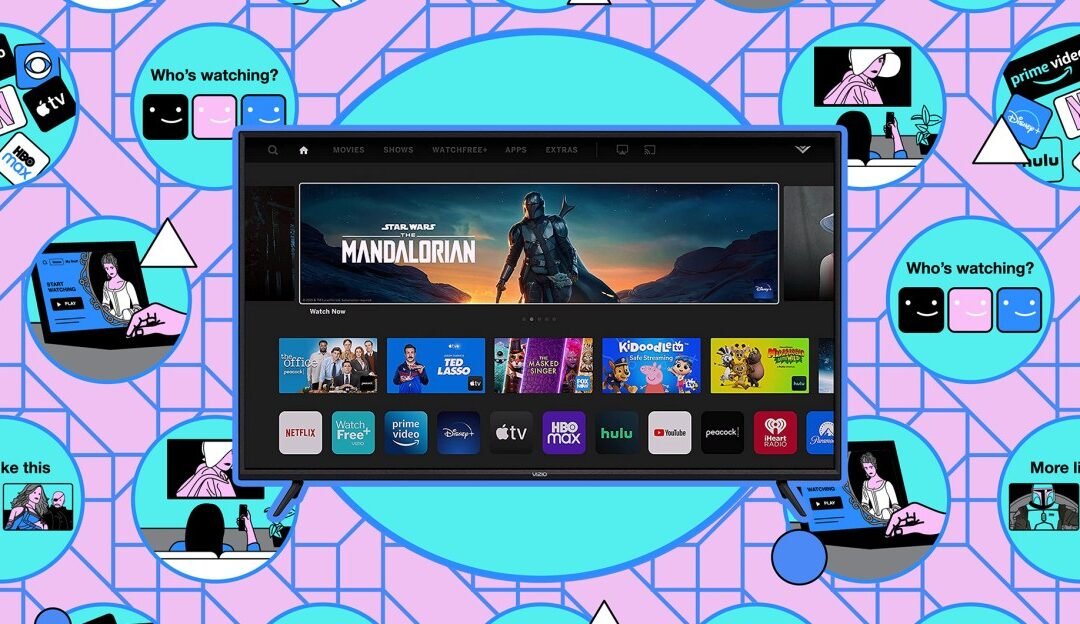
Let me just say it: hotel TVs are finally stepping into the future. You know what I mean, right? You’re traveling, exhausted after a long day, and all you want is to kick back in bed and watch something you actually like. Instead, you’re stuck flipping through a bunch of boring channels. Half of them you’ve never heard of, and nothing good is on anyway. Well, LG heard our silent frustration. They’re changing the game by bringing Google Cast to their lineup of hospitality TVs. Yes, you read that right—Google Cast, the tech that’s transformed home streaming, is on its way to your next hotel stay.
Why This Matters for Hotel Guests
If you’ve ever brought a laptop on vacation because of “questionable hotel programming” or tried to wrangle your own streaming stick into a random hotel setup, this one’s for you. With Google Cast built into LG’s hotel TVs, it’s like stepping into a more luxurious, personalized version of your living room.
Here’s why this update is a big deal:
- You can stream content directly from your own smartphone, tablet, or laptop to the TV. Netflix binge? Check. That random YouTube rabbit hole you were halfway down? Check. No more starting from scratch with obscure hotel accounts.
- No annoying logins on shared devices. Because, let’s be honest, typing out passwords using a hotel remote? Torture. Instead, you’re in control with casting—it’s seamless, familiar, and just *works*.
- It makes downtime in a hotel actually feel like *your time*. Whether you’re traveling for work or pleasure, kicking back with something you love watching can make even the plainest hotel room feel a little more like home.
Let’s Talk About Security
I can almost hear the question forming… “Sounds cool, but does it leave my personal info floating around for the next guest to see?” Don’t worry, LG thought this through. With these TVs, you’re not logging in directly on the hardware, so there’s no forgotten Netflix account haunting the TV for the next person. That means zero risk of someone weirdly finishing your episode of “Stranger Things” after you’ve moved on. Once you check out, there’s no trace of your digital footprint. It’s smart, simple, and private.
How It Works
So, how does this magic actually happen? If you’ve ever used Google Cast at home, you’ll feel right at home. Basically, the hotel TV becomes just another “Cast target.” Open your favorite streaming app—whether it’s Disney+, Hulu, or YouTube—tap the Cast icon, and boom, your video pops up on the big screen.
And here’s what I love: you’ve got full control from your device. Want to pause for a snack run? Adjust the volume? Skip that awful episode in season two that no one liked? All of it happens in the palm of your hand. The TV is essentially just the canvas; you’re the artist calling the shots.
This setup also means fewer technical headaches for you and the hotel staff. No more waiting on hold with the front desk because the “guide button doesn’t work.” With this system, there’s less room for error, and more room for you to relax. Isn’t that what hotel stays are supposed to be about in the first place?
What’s in It for Hotels?
Now, let’s flip the script for a second. Sure, this tech upgrade is fantastic for us as guests, but it’s also a major win for hotels. In a world where reviews can make or break your reputation, every tiny detail matters. Guests demand better experiences, and if a hotel can say, “Hey, we’ve got a modern entertainment system ready to cast your shows,” that’s an immediate bonus point.
Plus, it’s an eco-friendly move. Without those clunky, outdated channel guides and DVD players, hotels are cutting down on physical waste while modernizing entertainment. And eliminating those awful pay-per-view systems? Thank goodness—we all know no one actually misses those.
The Future of In-Room Entertainment
If Google Cast TVs become the new hotel norm, I think we can safely say goodbye to the days of channel-surfing despair. Imagine walking into your room, seeing that sleek LG screen, and knowing you’re about to unwind with content you genuinely *want* to watch.
It also opens up the doors for hotels to offer more connected services. Think about smart room controls tied to this system—adjust the AC, set a wake-up call, or order room service, all from an interface you’re casting to. We’re not quite there yet, but you can feel the tech writing on the wall, can’t you?
Final Thoughts
I don’t know about you, but this update is a welcome breath of fresh air. It’s one of those “why didn’t they do this sooner?” moments. The marriage of LG’s hospitality screens with Google Cast isn’t just a convenience—it’s a recognition of how much our needs have shifted. Entertainment on our terms, even when we’re far from home, just makes sense.
So, the next time you book a hotel room boasting one of these setups, be ready to settle in and stream with ease. There’s no learning curve, no frustration, and no need to rely on whatever random movies the hotel decided to make available that month. Just you, your content, and the kind of TV experience you’ve been craving.
What do you think? Would this feature tempt you to upgrade your accommodation choices? I know it’s a “yes” for me. Let’s hear it for hotel stays done right!

by TechNova | Jan 30, 2025 | Tech Insights
Big Changes Coming to PlayStation Plus
Okay, be honest: when was the last time you fired up a PS4 game through PlayStation Plus? Don’t feel bad—me neither. Sure, Sony’s catalog of PS4 hits has been a comfort zone for gamers over the years. But let’s face it, technology’s moving forward, and so are we. Starting in 2024, PlayStation Plus will no longer include PS4 games in its monthly lineup of offerings. It’s a clear sign that the gaming industry, and gamers like us, are stepping further into the next-gen world.
How does that sit with you? Personally, it gave me a mix of emotions when I first heard it. On one hand, there’s a wave of nostalgia—PS4 was our trusty companion for years, delivering incredible memories. On the other hand, I get it. With the PS5 firmly seated as Sony’s main focus, it’s time for new horizons.
Let’s unpack what this means for us as PlayStation fans and why this shift might actually be a good thing. Spoiler alert: it’s not all bad news.
What This Means for PS4 Games
So, here’s the deal: come 2024, the steady drip-feed of PS4 games we’ve grown accustomed to on PS Plus will be no more. That means no more freebies from Sony’s PS4 library as part of your subscription. If you’re the type who hoards those monthly downloads like treasure—and seriously, who doesn’t?—this probably feels a bit bittersweet.
But don’t panic over your existing collection! Any PS4 games you’ve already snagged through PS Plus are still yours to keep and play as long as you maintain your subscription. Think of those as old souvenirs from a beloved trip—you’re not losing them; they’re just not adding more to the pile.
Still, the question lingers: does this mean PS4 games are “dead”? Not entirely. You’ve got your discs, your digital library, and plenty of ways to revisit those classics whenever you feel like replaying *God of War* or *Horizon Zero Dawn*. They just won’t be cycling through the PS Plus offerings anymore. If you’re still holding on to your PS4, there’s no pressure to retire it just yet.
Why Focus Shift Makes Sense
Let’s break this down logically. The PS5 isn’t a baby anymore—it’s growing fast and stealing the show. Sony’s strategy here is clear: they want to encourage every gamer to embrace the next-gen experience. By cutting PS4 games from PS Plus, they’re signaling that it’s time to evolve.
And really, that’s not a bad thing. If you’re lucky enough to own a PS5, you know how incredible the games are. Titles like *Returnal*, *Ratchet & Clank: Rift Apart*, and *Demon’s Souls* have showcased exactly why this console is a beast. The haptic feedback, faster load times, and just the sheer beauty of the graphics? It’s next-level stuff, no exaggeration. This shift allows PS Plus to focus more on delivering these cutting-edge experiences rather than splitting its attention between two generations.
Now, if you’re still rocking a PS4—and hey, no judgment—it may feel like you’re being left behind. I get it. There’s a tinge of FOMO creeping in here. But think of it as Sony nudging you gently toward upgrading. They’re saying, “Hey, you’re missing out on the good stuff,” not “See ya later, suckers.”
The Positives for Next-Gen Gamers
I’ll admit, when I finally saved up for my PS5, it felt like stepping into a whole new world. Suddenly, the games I was playing weren’t just fun—they were transformative. If you’re already a PS5 owner or planning to upgrade soon, this change to PlayStation Plus is something to get excited about.
Here’s why:
- Better Monthly Selections: By narrowing their focus to PS5, Sony can work on bringing us higher-quality, next-gen titles every month. Imagine logging in and nabbing a blockbuster PS5 game instead of a PS4 indie you’d never heard of.
- Investing in Innovation: Shifting resources away from PS4 allows Sony to double down on creating and curating experiences that truly push the boundaries of gaming.
- More Reasons to Upgrade: For anyone on the fence about grabbing a PS5, this might be the push they need. And trust me, it’s worth it. Once you’ve sprinted through *Spider-Man: Miles Morales* in gorgeous 60fps, there’s no turning back.
In short, we’re stepping out of comfort zones, but we’re stepping into a future that looks pretty dang amazing.
Nostalgia for the PS4 Era
I can’t talk about this shift without giving the PS4 a little love. Remember the absolute gems it brought us? I still remember the chills I got playing *The Last of Us Part II* or my endless hours of exploration in *The Witcher 3*. These games weren’t just entertainment—they were art. The PS4 helped define so much of modern gaming, and its impact is going to be felt for a long, long time.
But progress doesn’t mean forgetting the past. If anything, moments like this are reminders of just how far gaming has come. The PS4 had its time in the spotlight, and it absolutely crushed it. Now it’s time for the PS5 to carry the torch and see how high it can set the bar.
What Should You Do Now?
Okay, so you’re probably wondering: what’s the next step? Well, that depends on where you’re at in your gaming journey:
- Still on PS4? Enjoy your library and download as many PS4 games on PS Plus as you can before 2024 hits. It’s a great opportunity to stock up on classics you might’ve missed.
- Upgraded to PS5? Keep an eye on future monthly drops. With this new focus, the PS Plus lineup should get a lot more exciting for you.
- Thinking about upgrading? Now might be a good time to start saving up. Sony’s clearly doubling down on the PS5 experience, so the sooner you hop on board, the more you’ll benefit.
Whether this announcement makes you nostalgic, excited, or even a little nervous, one thing’s for sure: gaming is always changing. It’s what makes it such a wild, fun industry to be a part of. And hey, as much as I’ll miss seeing PS4 games on my monthly PS Plus lineup, I’m already daydreaming about what incredible new games might take their place.
The End of an Era, The Start of Another
If there’s one thing I’ve learned as a gamer, it’s this: every console has its moment to shine. The PS4 gave us countless memories, but now, it’s the PS5’s turn. While saying goodbye to PS4 games on PlayStation Plus feels like closing a chapter, it’s really just the beginning of an even better story.
So, here’s to 2024. Here’s to new adventures, jaw-dropping graphics, and maybe a reminder to finally, *finally* finish that PS4 backlog before moving on fully. (Yeah, I’m looking at you, *Bloodborne*). Let’s embrace the future together, one epic game at a time.

by TechNova | Jan 29, 2025 | Tech Insights
What year is it again? Because I swear, hearing about new updates to “Doom” makes me feel like I’m back in my parents’ basement, blasting demons, and trying not to spill my Mountain Dew. But this isn’t some nostalgic trip designed to tug at your childhood heartstrings—this is the real deal. In 2025, we’re seeing a massive shake-up for one of the most legendary FPS games of all time: the addition of multiplayer support. If that doesn’t make you pause and raise an eyebrow, I don’t know what will.
Breathing New Life Into a Classic
Let’s talk about “Doom” for a second. The original 1993 release basically defined the first-person shooter genre. It was fast, gritty, and unapologetically fun. But one thing it wasn’t? A game that could be easily enjoyed with friends—especially in its original, single-player-heavy format. Multiplayer gaming was still in its infancy back then, and while LAN parties were a thing (shout-out to anyone who hauled a CRT monitor across town), the seamless online co-op or versus modes we take for granted now just weren’t feasible.
That’s why the 2025 update feels so monumental. It’s not just a patch—it’s a celebration of gaming evolution. To think that a game many of us played with floppy disks (yes, actual floppy disks) is still being expanded decades later? That’s incredible. And honestly, it shows just how much respect this game commands in the gaming community. It’s not getting forgotten in the dusty corners of retro consoles—it’s alive and kicking. Hard.
What Does Multiplayer Support Look Like?
Here’s where it gets juicy: The new multiplayer feature isn’t some slapdash afterthought. Developers have created a full-fledged experience that integrates seamlessly with “Doom’s” core gameplay. Picture this: ripping and tearing through legions of Hell’s nastiest with a few of your buddies. Sound chaotic? Good—because that’s the point. “Doom” has always been about absurd amounts of blood, bullets, and adrenaline, and now you can share the carnage with friends.
Modes Galore
The update includes several multiplayer modes to keep both casual and competitive gamers happy:
- Co-op Campaign: Team up with up to four players to blast through the original “Doom” levels. This is perfect for those who want to relive the glory days but with a modern, cooperative twist.
- Deathmatch: Because nothing says “bonding time” like fragging your best friend with a rocket launcher. It’s fast-paced, it’s brutal, and it’s exactly what you’d expect from a classic “Doom” multiplayer match.
- Survival Mode: Waves upon waves of demons as you and your squad fight to stay alive. Honestly, this is the mode I’m most excited about—who doesn’t love a good “we’re in this together” vibe?
Whether you want to team up or go head-to-head, each mode offers something unique while still being anchored in over-the-top, demon-destroying goodness. And don’t even get me started on the maps. The new multiplayer arenas are faithful recreations of classic “Doom” environments with some fresh twists. Think tighter corridors, traps, and just enough open space for absolute mayhem to unfold.
Balancing Retro with Modern
Here’s what I love: They’re adding all these features without compromising what made the original “Doom” so special. Don’t expect fancy gimmicks or overpowered perks that completely derail the fun. Instead, the focus is on preserving the spirit of the game while making it multiplayer-friendly. It’s still the same rollercoaster of chaos, just now with a few more people screaming alongside you.
Why This Matters
Alright, let’s dig a little deeper. Why does this update even matter? It’s not like we’re short on modern, polished FPS games loaded with multiplayer features. But this isn’t just about having another multiplayer game on your roster—it’s about giving “Doom” fans (both old and new) something to rally around.
For those of us who grew up with “Doom,” this update feels like a gift. It’s a chance to revisit an era of gaming simplicity but with the perks of modern tech baked in. And for newer players, it’s the perfect gateway. They get to experience what all the fuss has been about for the last three decades but with mechanics that meet today’s standards. It’s a win-win for everyone.
And let’s not overlook what this kind of move says about the gaming industry. So many games come and go, forgotten after a few years. But “Doom” continues to be a force, inspiring updates, cross-generational play, and community engagement. If that’s not special, what is?
How to Make the Most of Multiplayer “Doom”
Alright, once the update drops, here’s what you’re going to want to do. Spoiler: It’s all about embracing the chaos and having a blast. To get the most out of this new multiplayer experience:
- Grab your squad: Seriously, co-op is going to be where the magic happens. Roping in some friends to blow demons to bits sounds like a recipe for endless laughs.
- Don’t stress about skill: Look, “Doom” isn’t about being perfect. It’s about movement, momentum, and loving every absurd, over-the-top moment of the action. So let go of any worries about being “good” and just dive in.
- Experiment with modes: All three multiplayer modes bring something different to the table. Spend a little time playing around to find what fits your style—or better yet, cycle through all of them to keep things fresh.
And most importantly? Don’t forget to bring snacks. A long multiplayer session requires sustenance, and trust me when I say demon-slaying is best paired with pizza rolls or your favorite gaming snack of choice.
Final Thoughts
If you had told my younger self that, nearly 30 years after first booting up “Doom,” I’d be able to play it in real-time with friends around the world, I think my head would’ve exploded faster than an Imp hit by a rocket launcher. But here we are. This update is proof that the best games never truly die—they evolve, adapt, and find clever ways to remain relevant years after their initial release.
So, whether you’re an old-school fan itching to dive back in or a curious newcomer wondering what all the hype is about, this multiplayer update offers something for everyone. Personally, I can’t wait to grab a trusty shotgun, call up some friends, and see what kind of glorious chaos awaits. Because at the end of the day, that’s what “Doom” is all about: pure, unfiltered fun. Here’s to 2025 bringing us one hell of an update—pun fully intended.
by TechNova | Jan 29, 2025 | Tech Insights
Why Should You Care About Apple’s New Vulnerability?
You know how we all love our gadgets, right? From iPhones to MacBooks, Apple has this way of making us feel like we’re living in the future. But here’s the thing—they’re not invincible. And recently, tech experts uncovered a pretty alarming vulnerability in Apple’s CPU that compromises the very heart of your browser data. Think passwords, personal preferences, and even sensitive company information if you’re working from home.
Sound scary? Yeah, it is. And the worst part? This isn’t a flaw you can fix with just a quick software update.
A Sneaky Little Attack Called “Side-Channel”
Let me break this down for you because the name “side-channel attack” sounds kind of fancy but also a bit vague. Basically, when your device processes information (like when you’re typing, clicking, or loading a web page), it emits small signals. These signals, in the hands of shady folks, can be exploited to figure out what your browser is up to.
So, imagine this: you’re shopping online, maybe checking out for that cool new jacket you don’t entirely need but definitely want. While you’re entering your payment details, these attackers could be using side-channel techniques to pick up clues. It’s not like they’re stealing data directly, but they’re inferring enough from those tiny signals to piece things together. Creepy, right?
And here’s the kicker—this isn’t just theoretical. Experts have confirmed that this kind of vulnerability is very real, and Apple’s M1, M2, and some previous CPUs are all affected.
What Exactly Is At Risk?
Let’s take a second to really think about what’s on your browser. For me, it’s basically my whole online life. My saved passwords, autofill forms, shopping carts, cookies—it’s all right there. If someone could “peek” into that data, it’d be like reading my diary… only worse because money and security are involved.
Here’s a quick breakdown of what could be vulnerable:
- Passwords: Imagine attackers figuring out that master key you use to protect your digital life. Scary, right?
- Browsing history: Not necessarily the most sensitive info but still, do you want strangers seeing what you’ve been looking up? (I’m still not over my weird Google phase of “why do cats randomly stare at walls.”)
- Saved data: We’re talking about autofill details like addresses, card info, and even your go-to pizza order. Yep, all up for grabs in a worst-case scenario.
The bottom line is that your browser isn’t just a window; it’s practically a goldmine of information. If attackers can leverage a vulnerability like this with enough persistence, well, it’s game over for your privacy.
Why Can’t a Simple Update Fix This?
I know what you’re thinking: “It’s Apple—it’ll release an update and we’ll all move on, right?” I wish it were that easy. Unfortunately, this problem is baked into the architecture of the CPU itself. It’s not something a typical software patch can just magically fix.
Think of it like this: when you’re building a house, certain design flaws might only show up once you’ve already moved in. And while you can repaint the walls or rearrange furniture, you can’t just rebuild the foundation without tearing the whole thing down. It’s kind of the same with this CPU flaw—it’s a hardware-level issue.
Now, Apple’s likely working hard behind the scenes to minimize any potential risk, but if you’re using hardware that’s already been manufactured and sold, well… it’s a lot harder to fix.
Protect Yourself (Yes, You Can Do Something!)
Okay, it’s not all doom and gloom. While you can’t completely shield yourself from this vulnerability (unless you chuck your device in a drawer and never look at it again—which, let’s be honest, none of us are doing), there are practical steps you can take to stay safer.
Here’s what I’d recommend:
- Keep your software up to date: Even though this issue isn’t fully fixable via updates, Apple regularly patches other vulnerabilities. Don’t let those pile up on top of this one.
- Use a privacy-focused browser: Not all browsers are created equal. Look for ones that prioritize encryption and don’t store extra background data.
- Limit autofill features: I get it, typing manually is a drag, but do you really want your credit card details sitting there for the taking? Use a password manager instead—they’re generally much more secure.
- Turn off unnecessary apps or backgrounds: The fewer processes your CPU has to manage, the lower your overall risk. Close out what you’re not actively using.
- Stay informed: This step might feel obvious, but a lot of people ignore it! Keeping an ear out for new cybersecurity updates can help you stay one step ahead.
What Does All of This Mean for Apple Lovers?
At the end of the day, this doesn’t mean you should ditch your MacBook or iPhone. Apple’s devices are still some of the most secure in the market. But what this vulnerability does highlight is that no system—not even the sleek, premium products we know and love—is perfectly safe.
Honestly, I think this is a reminder to all of us to stay proactive. It’s way too easy to get comfortable and assume our devices have it all covered. But taking small steps to protect your data can make a world of difference.
So, whether you’re someone who feels like they’re on top of cybersecurity or someone who’s just now discovering what a CPU even does (hey, no judgment!), think of this as a wake-up call. Your data’s worth protecting. And while Apple works on the big-picture solution, you’ve got the power to take small, meaningful steps in the meantime.
Let’s Wrap This Up
It’s kind of ironic, isn’t it? The more advanced our technology gets, the more ways there are for people to exploit it. But don’t let that freak you out. Use it as fuel to stay informed and take control of your digital life.
At the end of the day, a little awareness goes a long way. And hey, if you’ve made it this far into this article, you’re already ahead of the curve. Keep learning, stay smart, and don’t be afraid to take your online security as seriously as you would a locked front door.
