by TechNova | Feb 2, 2025 | Tech Insights
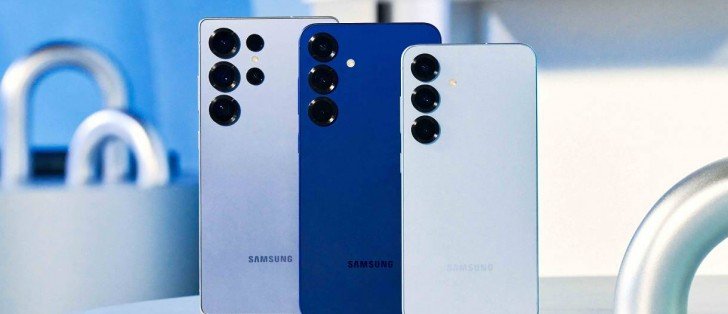
The buzz around flagship phones has everyone talking, and right now, the hot topic is the new Galaxy series. The discussion? “Samsung Galaxy S25 Ultra Concerns, Vanilla Model Shines” seems to sum it all up. While Samsung often wows tech enthusiasts with its Ultra models, this year, the narrative appears to be shifting. For once, it’s the vanilla Galaxy S25 that’s stealing the show—and not just for its price. Let’s dig into what’s stirring this heated debate in the smartphone world.
Why Are There Samsung Galaxy S25 Ultra Concerns?
Let’s be real—Samsung’s Ultra models have become synonymous with extravagance. Big screens, big specs, big price tags. We’ve come to expect that. But this time, the Ultra is facing backlash—and not without reason. The rumored changes to the Galaxy S25 Ultra aren’t exactly what fans hoped for. Some find it exciting, sure, but there are a couple of decisions that have sparked doubt.
First up, design fatigue. While Samsung has mastered the sleek and sturdy aesthetic, the Ultra looks like it’s falling into a predictable cycle. I feel the frustration here—if you’re going to spend top dollar on a flagship, isn’t a fresh design part of the package? Instead, the phone’s rumored to retain last year’s overall look, with only minor tweaks. When rivals are innovating in foldables and finishes, this feels like Samsung’s playing it a bit safe.
Then there’s the whole debate about the camera setup. Ultra models have always boasted insane zoom capabilities and monster megapixels. But this time, leaks suggest a reduced focus on astronomical zoom, moving to more “functional” upgrades. Is it the right move? Maybe. But for camera enthusiasts who treat the Ultra like their creative playground, it’s bound to stir disappointment.
Finally—and this one hurts—the price. While we can’t expect a premium device to come cheap, it feels like the Ultra is creeping into absurd territory. If the rumored price bump materializes, adding hundreds of dollars for what feels like a minor upgrade, that’s going to make people rethink their choices.
Vanilla Model Shines: A Rare Spotlight on the Base Model
Now, let’s flip the script. For once, the vanilla Galaxy S25 is getting a sliver of the spotlight. Honestly? I think it’s about time. Samsung has poured so much energy into its Ultra and Plus models over the years that the base model could sometimes feel like an afterthought. Not this time.
The Galaxy S25 is rumored to pack serious value for its price. It takes all the essential features that everyday users need and wraps them in a stylish, no-nonsense package. Full flagship performance with fewer gimmicks? Yes, please.
One thing I’m personally stoked about is the rumored battery life. More efficiency combined with the latest in processor tech? This could finally mean a base-tier Galaxy that lasts all day without compromise. Isn’t that what we all really want in a phone?
And let’s talk about the size. Hearing that the base Galaxy S25 could stay more compact is music to my ears. Not everyone loves a massive phone, myself included. Sometimes, small and mighty is just the way to go. If Samsung can nail the balance between usability and performance, the vanilla S25 might just outshine its big sibling for many potential buyers.
Who’s the S25 Series Actually For?
This whole debate has me thinking: Who’s upgrading, and why? If you’re a hardcore tech junkie who needs the latest and greatest, the Ultra probably still calls your name. But here’s the thing—most people don’t need the crazy specs and huge screens offered by the Ultra. The majority of users want reliability, strong performance, and good value, which is where the vanilla S25 feels poised to shine.
And let’s be honest, the mid-range game is fierce right now. Competitors like Google and Apple are crafting cheaper models that perform exceptionally well. Samsung’s vanilla S25 can’t slack if it wants to compete. It sounds like they’ve stepped up their game, though, and I can’t wait to see how users react once it’s officially released.
So, Is the Ultra Still Worth It?
That’s the million-dollar question—or, well, the thousand-dollar question. If you’re someone who genuinely utilizes all the flagship features, like advanced camera functions or top-tier display quality, you might still find value in the Ultra. I mean, there’s definitely a market for luxury tech. And let’s face it—Samsung doesn’t skimp on quality, even when their choices spark concerns.
However, for those of us who appreciate a solid smartphone without breaking the bank, the Ultra starts to lose its luster compared to its more affordable sibling. With the vanilla S25 packing nearly identical day-to-day usability at a fraction of the price, it’s hard to justify the Ultra unless you’re a flashy feature hunter.
Wrapping It Up: Samsung Galaxy S25 Ultra Concerns, Vanilla Model Shines
Here’s the takeaway: While the Ultra might carry a little worry baggage this time (and honestly, who expected that?), the vanilla Galaxy S25 is coming through as the pleasant underdog. It’s priced right, sized sensibly, and hits the sweet spot of smartphone essentials. As for the Ultra…well, it’s not a total miss, but it’s clear Samsung has more to prove if it wants to keep its audience hooked.
So, what’s your vibe? Are you eyeing the Ultra, the vanilla, or holding off until Samsung addresses some of these concerns? Drop a comment and let me know—I’d love to hear where everyone’s leaning before the official launch. This tech rollercoaster is just getting started.

by TechNova | Feb 2, 2025 | Tech Insights
“Halo Infinite Fuel Rod Gun Disappoints Fans” has been the buzz across the Halo community lately, and honestly, I get it. It’s frustrating when a weapon that once packed an exhilarating punch feels like it’s been nerfed into something… well, meh. Hardcore fans of the series, myself included, tend to hold Halo’s arsenal to pretty high standards. When a gun like the Fuel Rod makes its big return, there’s an automatic level of hype. But this time? That hype fizzled out faster than the weapon’s ammo does in combat.
Why The Fuel Rod Gun Once Ruled
If you’ve been around in the Halo universe for any length of time, chances are the Fuel Rod Gun has left its mark on you—literally, if you were unlucky enough to be on the receiving end. This weapon wasn’t just destructive; it was downright iconic. It rewarded bold, aggressive plays with satisfying explosions and an almost mischievous kind of chaos. Remember running around in multiplayer, cackling as you launched green death into a crowd of Spartans? Yeah, good times.
It worked not just because it was powerful, but because it had personality. The Fuel Rod Gun stood out against the rest of Halo’s arsenal. Every shot felt significant, every explosion over-the-top. And let’s be real—it was a fantastic way to break up the monotony when matches felt too close. Whether you loved it or hated it, this was a weapon that didn’t mess around.
Is Halo Infinite Fuel Rod Gun Breaking Hearts?
Rumors about changes to the classic Fuel Rod Gun started floating around during development, with players cautiously optimistic about what 343 Industries had up their sleeves. After all, Halo Infinite has been about balancing nostalgia with modern gameplay mechanics. But now the weapon’s actually here, and oh boy, the feedback has been… let’s just say, less than stellar.
Sure, the visual design of the Fuel Rod Gun still carries that distinct alien-style flair, but it feels like that’s where the similarities to its predecessors end. The weapon’s explosive power seems to have been dialed way down. Instead of being that fearsome, high-risk/high-reward option, it just feels watered down. It lacks that “oomph” you once felt with every shot.
And let’s talk damage. In previous games, one or two well-placed shots could clear an area. Now? You might as well be popping balloons with a toothpick. Okay, maybe that’s dramatic, but you get my point, right? The weapon feels less impactful and, dare I say, forgettable. That’s probably the worst thing a Halo weapon can be.
What Went Wrong This Time?
So, why exactly is the Fuel Rod Gun disappointing fans? Well, it seems like several factors may be at play here:
- Balance Changes: Developers probably toned it down to avoid frustrating newer players. After all, nobody likes being obliterated off spawn again and again.
- Game Pace: Halo Infinite’s gameplay emphasizes tighter movement and precision. Maybe they’re trying to push players away from splash-damage-heavy weapons for that reason.
- Ammo Limitations: Have you noticed how quickly you run out of Fuel Rod rounds? If you’re not landing perfect shots, it’s game over in seconds.
Whatever the reason, none of these changes excuse how lackluster the Fuel Rod Gun feels right now. Instead of feeling like a powerhouse weapon we’d risk grabbing mid-match, it’s turned into something a lot of players just avoid altogether. That is not the legacy this gun deserves.
Can 343 Turn Things Around?
So, what happens next? The Halo community has never been shy about voicing opinions, and it’s safe to assume the developers are hearing all the feedback. While the roadmaps for Halo Infinite don’t always offer specifics, we can hope 343 Industries considers tweaking the Fuel Rod Gun in a future update.
Let me ask you this: if they gave it a proper damage buff or made it feel more unique in how it interacts with enemies, wouldn’t more players pick it up? Maybe they could revisit the weapon’s splash damage radius or make it a rare power weapon again. There are so many ways it could regain its iconic status, and that’s what players want. Well, that and the chance to launch people into the air for another round of chaotic hilarity.
It’s Not All Doom and Gloom
Despite the disappointment, it’s not all bad news. Halo Infinite still has plenty of standout weapons and mechanics that make it one of the most fun FPS games out there. And, hey, changes happen all the time in live-service games like these. What doesn’t work now might just get rebalanced into oblivion—hopefully in a good way. We’ve seen developers course-correct weapons in the past (looking at you, battle rifles), so there’s always hope for the good old Fuel Rod Gun.
Maybe there’s even a bright side to this. If nothing else, the Fuel Rod’s current state gives all of us something to rally around, a shared gripe that bonds the community. Sometimes being a Halo fan means rolling with the punches, hoping (and ranting) for the best. Let’s keep giving feedback, and hey, keep an eye on future updates. This story isn’t over yet.
What’s your take on the Fuel Rod Gun in Halo Infinite? Is it really as disappointing as people say, or do you think we just haven’t unlocked its potential yet? Either way, let’s keep the conversation going—there’s always room for more energy (and explosions) in Halo.
by TechNova | Feb 2, 2025 | Tech Insights
If you thought you’d heard it all when it comes to what’s living inside our bodies, think again. A “New Class of Life Found Living Inside Humans” is turning what we thought we knew about biology on its head. When I first came across this discovery, my first reaction was pure fascination—quickly followed by a mix of curiosity and a tiny drop of nervousness (because, hello, what else could be in there?). But don’t panic! This isn’t a story about some creepy parasite taking over. It’s actually something much more intriguing and beautiful.
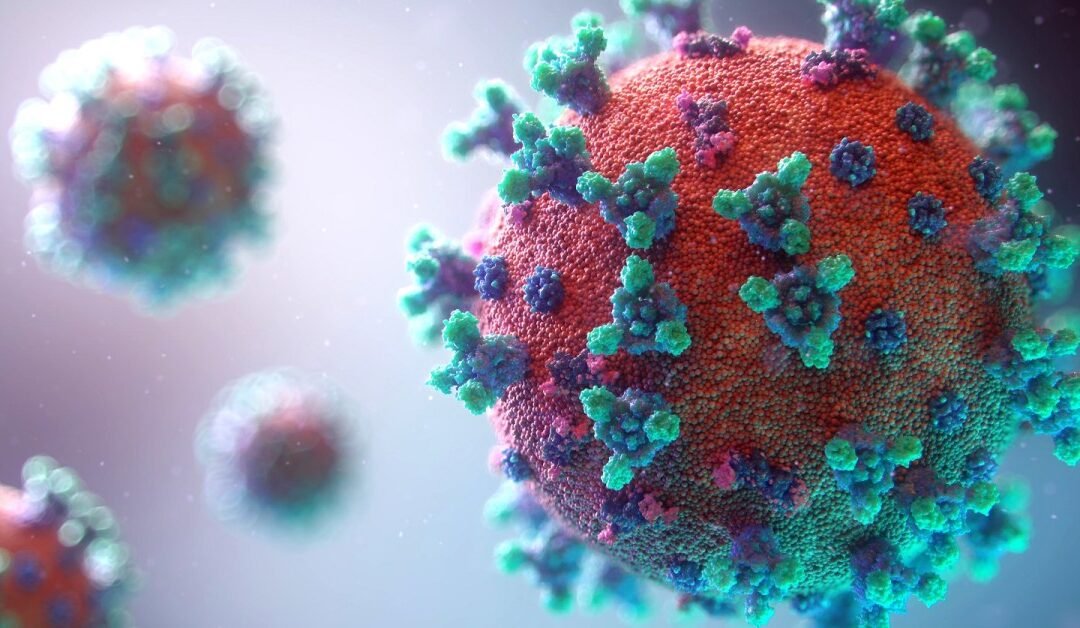
Researchers recently uncovered an entirely new type of microscopic organism hanging out in the human body, specifically in our microbiome. Now, the microbiome itself isn’t a new concept—our guts are basically their own little universe, filled with a diversity of life forms. But the thing is, this discovery doesn’t fit into the usual categories of bacteria, viruses, or fungi we’ve been surrounded by for ages. And that’s what makes it so electrifying—it’s a completely fresh class of life.
What Does a “New Class of Life Found Living Inside Humans” Even Mean?
So, let’s break it down. What scientists mean by finding a new “class of life” is that this organism doesn’t fall into any typical bucket we’ve used to classify life forms before. You know, like how we categorize living things as animals, plants, fungi, or certain types of microbes? Well, these newly discovered organisms are something else entirely. They’re their own thing—and they’re living right inside us.
These little guys (and yes, they’re absurdly tiny) are nestled in our digestive systems, quietly existing in harmony with the other life forms in our bodies. That’s part of what’s so mind-blowing: they’ve been there all along, and it’s only now that we’ve figured out they exist. Makes you wonder what else might be hiding in plain sight, right?
How Did We Even Miss This?
I know what you’re thinking: How could something so fundamental to human biology go undetected for so long? Fair question. The truth is, even though modern science has given us incredible tools, a ton of life remains a mystery to us. Our bodies contain trillions of microorganisms—and shuffling through them all is like digging for treasure in a sand dune.
These newly found organisms are especially elusive because they don’t behave like bacteria or fungi—they’re what scientists call “cryptic organisms.” Essentially, they’re like wallflowers at a party, blending into the background and making it hard for anyone to notice they’re there. It took some seriously cutting-edge tech to track them down.
Should You Freak Out About a New Class of Life Found Living Inside Humans?
Let me just come right out and say it: No, there’s no need to freak out! In fact, this discovery is less of a horror story and more of a celebration. These tiny organisms aren’t out to hurt you. They’re just quietly coexisting, doing their thing, and probably even playing a helpful role in keeping your body balanced.
Think about it this way: The microbiome—the collection of all those bacteria, fungi, and other microbes in your body—is super important to your health. It affects digestion, immunity, and even your mood. (Yes, science says your gut can influence how you feel emotionally. Wild, right?) Adding this new class of organisms to the mix is like finding out there’s a secret ingredient in your favorite recipe. It’s something we didn’t know we needed but that might have been supporting us all along.
Could This Change How We Understand Life Itself?
Here’s where things get philosophical. This discovery isn’t just about humans—it challenges what we know about life in general. If we couldn’t see this coming, what else might we have missed? Could there be more undiscovered categories of life on Earth—or even beyond Earth?
This makes me think about how often we take the ordinary for granted. Like, we assume we know what’s in our bodies or how the natural world works, but there’s always more to learn. That’s kind of humbling, don’t you think? It’s a good reminder that life—whether it’s on a cosmic scale or a microscopic one—is endlessly fascinating.
What Does This Mean for the Future?
This discovery is already paving the way for new research into how we take care of our health. Scientists are now looking into how these organisms interact with the rest of our microbiome and how they may influence conditions like inflammation, metabolism, and even mental health. Who knows? We might eventually develop new treatments or probiotics based on this tiny class of life, helping us to live better and longer.
And honestly, this kind of blows my mind. The idea that we could one day harness this knowledge to heal or strengthen our bodies feels like science fiction finally becoming reality.
How Can We Stay Curious About What’s Inside Us?
It’s easy to go through life without giving much thought to what’s happening at a microscopic level. But discoveries like this remind me that there’s so much more to explore—inside and out. It makes me want to appreciate my body more, you know? It’s like walking around with a universe packed inside of you, teeming with life and activity you can’t even see.
So, what can you do? Start by being curious. Ask questions, stay open to weird and wonderful ideas, and geek out about the amazing discoveries happening around us. Because if a new class of life can be found inside humans, who knows what else is waiting to be uncovered?
Sometimes, the most exciting frontiers aren’t in outer space—they’re right inside us. Cool, huh?

by TechNova | Feb 2, 2025 | Tech Insights
NASA Artemis Mission Risks Prompt Safety Review. Just hearing those words gave me pause. This ambitious mission to return humans to the Moon has captured imaginations worldwide—mine included. But it’s also a stark reminder that space exploration isn’t all glittering moonshots and inspiring photographs. It’s risky. It’s complex. And, apparently, it’s under scrutiny right now for very good reasons. NASA is reevaluating parts of the Artemis mission to keep it as safe as possible, and honestly, I think we need to talk about what that means—for the astronauts, for NASA, and for all of us eagerly watching from Earth.
Why Does Space Exploration Always Come with Risks?
Ever think about what astronauts actually sign up for? Sure, they’re brilliant scientists and highly trained professionals, but they’re also modern-day pioneers, stepping into dangerous and unknown worlds. In the case of Artemis, they’re aiming to take people back to the Moon for the first time in over 50 years. That’s huge! But with big dreams come big risks, and NASA knows that better than anyone.
Every time we send humans into space, there’s the terrifying trifecta of dangers: equipment failure, human error, and the unforgiving environment of space itself. No matter how much technology evolves, these factors won’t simply disappear. And with Artemis aiming to establish a long-term human presence on the Moon, the stakes feel even higher. Would you sleep soundly if you knew you were stepping into an untested spacecraft destined for another celestial body? I’d be up all night replaying every sci-fi disaster movie I’ve ever seen.
NASA Artemis Mission Risks Prompt Safety Review
So, what triggered this safety review? It turns out that members of NASA’s Aerospace Safety Advisory Panel (ASAP) raised concerns about certain elements of Artemis. They’re pushing for a reassessment of some mission objectives to reduce risk. And honestly, thank goodness for them. Safety reviews like this often force us to pause, reflect, and fine-tune before it’s too late.
For one thing, Artemis isn’t just about one trip to the Moon. It’s meant to lay the groundwork for future missions to Mars. That means NASA is juggling a complex mix of short-term and long-term goals. The pressure to deliver results is enormous, and, let’s be real, sometimes that kind of pressure can lead to cutting corners. I’m not saying NASA would ever take a cavalier approach to safety, but history has reminded us—more than once—that it’s better to be over-prepared than under-prepared when it comes to space travel.
What’s at Stake with Artemis?
This isn’t just any old mission. Artemis is supposed to be the first step toward building a sustainable human presence on the Moon, which is wild if you really think about it. Sustainability in space? That sounds more like a sci-fi plot than a practical reality. But NASA isn’t messing around. They want to create a Moon base where astronauts can live, conduct research, and do the heavy lifting for future Mars exploration.
Let me paint a picture: Artemis involves a mix of super-high-tech spacecraft, landing systems, and space habitats. This all sounds groundbreaking, right? But every single component has to work perfectly—or at least as close to perfectly as humanly possible—because one small miscalculation could mean disaster. The fact that NASA is doubling back to reassess shows they’re being proactive, which, to me, feels responsible rather than worrisome.
To break it down, here’s what’s on the line with Artemis:
- Human lives: Let’s start with the obvious. A single astronaut’s safety is worth more than any lunar milestone.
- Billions of dollars: This mission has a jaw-dropping budget, and no one wants to see that money go to waste.
- Public confidence: NASA’s reputation rides on the success of Artemis, especially after so much anticipation.
- Science and exploration: If something goes wrong, we risk delaying the Moon-to-Mars pipeline indefinitely.
Any one of those stakes is reason enough to take a step back and reevaluate.
What Can NASA Learn from the Past?
If history teaches us anything about space exploration, it’s that safety always has to come first. Think about the tragedies of the Space Shuttle Challenger and Columbia. Those moments were heartbreaking reminders that oversight and overconfidence can have catastrophic consequences. Nobody wants to see that happen again—not NASA, not the astronauts, and certainly not those of us cheering them on from the sidelines.
This review isn’t a bad sign. It’s encouraging, actually! It means NASA is listening to its advisors and doing the responsible thing by slowing down and keeping human life front and center. I think we could all take a lesson from that—sometimes, when you’re rushing toward a dream, the best thing you can do is pause and make sure every step is rock solid before moving ahead.
What Does This Mean for the Future of Artemis?
Here’s the thing: Artemis is going to happen, but it might not look exactly like the original game plan. And that’s okay. If NASA adjusts the timeline or changes the mission objectives to address these safety concerns, it’s not a setback—it’s smart planning. Wouldn’t you rather wait a little longer for success than rush into something blindly?
In the grand scheme of space exploration, patience is key. The Moon isn’t going anywhere (not for another few billion years, anyway), and I’d much rather see NASA take its time to get it right. Plus, every challenge they face now will help them prepare for even greater challenges down the road, like the eventual Mars missions. I mean, if we can’t get to the Moon safely and sustainably, how are we supposed to conquer an entirely different planet?
Why We Should All Be Watching
Honestly, I think the Artemis mission embodies the best of what humanity is capable of. It’s a mix of curiosity, courage, and innovation, with a healthy dose of risk management sprinkled on top. Watching NASA tackle this mission is like following your favorite sports team—you’ve got your highs and lows, nail-biting moments, and celebrations. But at the end of the day, it’s about teamwork, perseverance, and the pursuit of something bigger than ourselves.
So, whether you’re a space nerd like me or just someone who occasionally glances at the stars, keep an eye on Artemis. These bold missions remind us of what’s possible when we dream big, think critically, and look out for one another. Because if there’s one thing I believe, it’s this: humanity’s next big leap won’t just change our view of the Moon—it’ll change how we see ourselves, too.
by TechNova | Feb 2, 2025 | Tech Insights
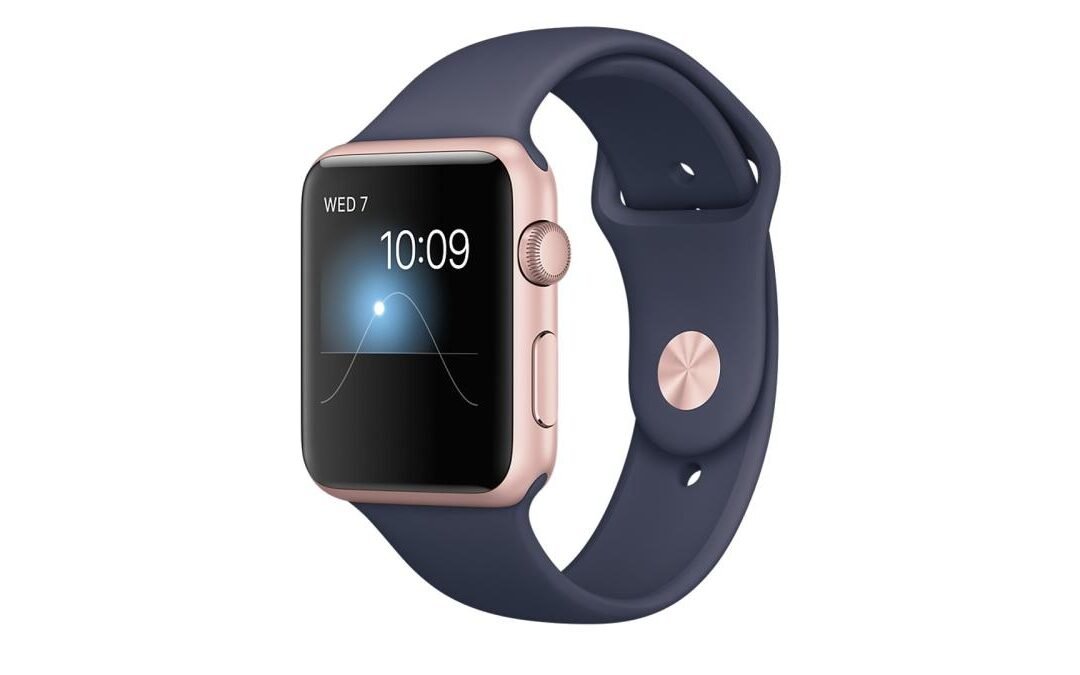
The recent news about the Apple Watch Battery Swelling Lawsuit Settlement has gotten a lot of people talking, and for good reason. If you’re an Apple Watch enthusiast—or even if you’ve just owned one in the past—this lawsuit might make you think twice about how tech companies handle product issues. After all, nobody expects their smartwatch, of all things, to create problems as serious as safety hazards. But here we are. And now Apple has agreed to pay $20 million to settle this class-action lawsuit. Let’s break it all down, piece by piece, in a way that actually makes sense.
What Exactly Is the Apple Watch Battery Swelling Lawsuit Settlement About?
Alright, let’s get straight to the heart of this. The lawsuit was filed by users who claimed that certain models of the Apple Watch had a serious defect—a swelling battery. Now, when you hear “battery swelling,” it might not sound all that dramatic, but trust me, it can be a huge issue. A swollen battery can cause the screen to detach or even shatter, which is alarming for a device you literally wear on your wrist. Imagine glancing at your watch during your morning jog, only to find the screen popping off. Not cool.
The plaintiffs argued that Apple not only knew this could happen, but that they continued to sell the devices without a proper fix or even a heads-up to buyers. Apple, on the other hand, denied the allegations and maintained that battery issues were rare. But in the end, they’ve agreed to resolve the matter with a $20 million settlement. This saves them the drawn-out hassle of a courtroom battle, and for affected users, it might feel like some kind of justice—albeit bittersweet.
Who Was Impacted the Most by This Settlement?
This settlement primarily concerns owners of the Series 1, 2, and 3 Apple Watches. According to the lawsuit, these earlier models were more prone to battery swelling issues than the newer versions. If you’re sporting a Series 6 or 7 today, you’re probably not part of this whole ordeal. Still, for those who bought one of these older models before upgrading, the frustration is real.
Think about it—Apple isn’t exactly handing out $20 watches here. These devices cost hundreds of dollars, so finding out your expensive “tech companion” has potentially dangerous defects? Yeah, that’s like a punch in the gut. Many users reported shattered glass that caused cuts and bruises. It’s not just a tech fail; it’s a personal safety concern.
Will Every Affected Owner See Compensation?
This is where things get complicated (and honestly, a little frustrating). If you’re someone who experienced battery swelling or screen issues with your Apple Watch, you might be eligible for compensation. However, here’s the kicker—lawsuit settlements like this typically involve a process. You’ll need to file a claim, which will most likely require proof that you experienced the issue.
If you’ve already had the watch repaired at your own expense, it’s worth checking if this settlement can reimburse you. But heads up—it’s unlikely you’ll see a huge payout. From my understanding, class-action settlements usually divide the total amount among all claimants. With a $20 million fund and the sheer number of Apple Watch users out there, don’t expect a windfall. But hey, even getting something back is better than nothing, right?
Apple’s Reputation vs. Real-World Stories
Look, I get it. Apple products are known for being sleek and reliable. It’s not every day you hear about defects serious enough to spark a major lawsuit. But with this case, it’s clear that even tech giants aren’t immune to criticism. What’s frustrating to me—and likely to many others—isn’t just the malfunction itself. It’s the idea that Apple may have known about the risk and didn’t do enough to address it proactively. That’s a tough pill to swallow when you consider how fiercely loyal a lot of Apple users are.
I’ve owned an Apple Watch myself, though luckily I never faced this specific issue. Still, I know firsthand how much trust we place in our devices. They track everything from our heart rates to our sleep patterns. They’re basically glued to us. So when something like this happens, it feels personal. And maybe that’s why this settlement is hitting a nerve—it’s a reminder that no brand, no matter how shiny its image, is perfect.
What Happens Next?
For Apple, this settlement is likely a move to put the issue behind them. They’ve already ramped up innovation for newer models, which seem to have steered clear of similar problems so far. For consumers, though, it’s a bit of a ‘what now?’ situation. Here’s how I see it:
- If you had a Series 1, 2, or 3 Apple Watch and dealt with battery swelling, it’s time to explore your options. Check if you’re eligible for compensation under the settlement.
- Even if you didn’t experience it firsthand, let it serve as a reminder to pay attention to recall notices or user complaints about any product you own. It could save you a headache—or worse, an injury.
- And if you’re eyeing a newer Apple Watch to replace your old one, don’t let this lawsuit scare you away completely. Just do your research and maybe look into extended warranty options, just in case.
Why This All Feels So Relevant
Here’s the thing: stories like this matter because they remind us to stay informed consumers. We invest so much in technology—not just money, but also trust—and it’s easy to forget that even the most seemingly flawless products can have hidden flaws. It’s not just about being cautious, though. It’s about holding companies accountable, especially when safety is on the line.
So, if this Apple Watch situation has you shaking your head or double-checking your own device, you’re not alone. And while the $20 million settlement might feel like a small Band-Aid on a bigger problem, it’s still a step in the right direction. It’s a sign that when enough people come together to demand accountability, things can change—even if it takes time.
Final Thoughts: Lessons from the Apple Watch Battery Swelling Lawsuit Settlement
At the end of the day, this entire situation is a reminder that no company is perfect—not even a behemoth like Apple. It’s also a call to action for all of us as consumers. When something feels off about a product, don’t let it slide. Report it. Talk about it. Bring attention to it. That’s how issues like these make it to court in the first place, and that’s how change happens. And who knows? The next time a major tech company thinks about cutting corners, maybe they’ll think twice, thanks to lawsuits like this.
In the meantime, if you were affected by the battery swelling issue, take the time to explore your options under this settlement. You deserve to be heard, and hey, you might just get some of your hard-earned money back. And honestly? That’s a win in my book.
