
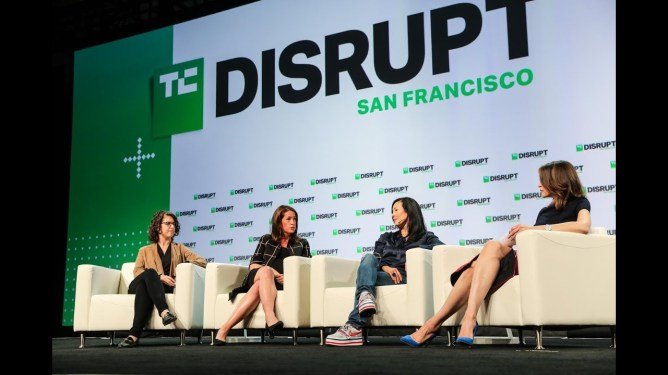
Can you feel the buzz? Because I sure can. The Startup Battlefield 200 judges have finally been revealed for Disrupt 2025, and if you’re anything like me—a die-hard nerd for innovation, grit, and big dreams—you’re already mentally packing your bag for San Francisco. This is the kind of lineup that makes you double-check your calendar. The Startup Battlefield 200 isn’t just another demo day; it’s *the* place where early-stage startups get a chance to shine on one of tech’s biggest stages. And now we know who’ll be holding the scorecards. Let’s just say… the bar is high.
The Magic Behind Startup Battlefield 200
I remember the first time I watched a Demo Day live stream. I had crackers, my laptop, and mild expectations. Then boom—three minutes in, I was hooked. This wasn’t just pitches; this was passion meeting pressure, and I couldn’t get enough. So when it comes to Startup Battlefield 200, I pay attention.
This event has built a reputation for launching some of the most recognizable names in tech. Think about it: over 200 carefully selected startups, from stealth-mode geniuses to founders with product names scribbled on napkins just a year ago. And now, these 200 are heading to Disrupt 2025 with one hefty goal—winning the battlefield.
But they won’t be doing it without guidance… or serious judgment.
Who Are the Judges for Disrupt 2025’s Final Round?
Alright, let’s get into it. The final round judges for Startup Battlefield 200 at Disrupt 2025 are not just famous names—they’re impactful trailblazers. The kind of folks who walk the walk and have seen (and probably funded) it all. This year’s crew has founders, investors, and tech leaders whose opinions could shape the future for these new startups.
Here are a few notable judges ready to take the stage:
- Navin Chaddha, Managing Partner at Mayfield. He’s led investments in over 50 companies, many of which went public. Talk about high stakes!
- Deirdre Findlay, CMO at Conde Nast. She brings serious brand storytelling energy, which honestly, a lot of tech could use more of.
- Laela Sturdy, General Partner at CapitalG. Not only has she backed some serious heavy-hitters, but she also brings the sharp lens of a seasoned operator.
- Shauntel Garvey, General Partner at Reach Capital. She knows how to spot transformational ideas, especially at the intersection of learning and scaling.
- Edith Harbaugh, Co-founder of LaunchDarkly. Bootstrapped-to-billion is kind of her vibe, and you know she’ll be asking the tough product questions.
These judges won’t just nod politely through decks. They’ll dissect business models, challenge go-to-market plans, and—my favorite part—ask those sneaky “so what happens when…” questions founders either dream of or dread. It separates the hype from the real hustle.
What Makes Startup Battlefield 200 So Iconic?
You might wonder, among all the demo days and pitch competitions, why does Startup Battlefield 200 get so much shine? Well, here’s the thing—it’s not a free-for-all. TechCrunch handpicks these startups from thousands of applicants. Entry isn’t bought; it’s earned. Every year, only 200 get to be part of the cohort. That level of curation? It means you’re already watching top-tier founders the moment you walk in.
Even better, the final round pushes the envelope on what’s possible. The five finalists who make it to the big showdown pitch have likely fine-tuned their business models in the weeks leading up to the event. You can literally see momentum building idea-by-idea, and that’s rare.
I’ve actually met a couple of founders post-Battlefield whose lives changed overnight. One told me they landed an international customer within 24 hours of pitching, no joke. Another got flooded with VC meetings the following week. That’s the Battlefield magic.
Why the Judges Matter More Than You Think
Sure, it’s about founders. But let’s be honest—it’s also about who’s assessing them. A high-profile judge can mean more than feedback; they can offer credibility, access to networks, and even direct investment. When someone like Navin Chaddha gives you a nod, investors pay attention. Founders feel it too. Just imagine walking into a room, presenting the company you’ve built from late nights and ramen budgets, and hearing real-time feedback from someone who’s shaped unicorns.
In 2023, a judge (who’ll remain nameless because hey, NDA life) ended up backing a company that didn’t even win—but he saw enough spark to follow up. Two years later? That startup is Series B strong with a global team. So yeah, these decisions can ripple out in huge ways.
Startup Battlefield 200: More Than Just a Competition
As someone who’s followed Disrupt events for years (with an embarrassing number of live tweets to prove it), I’ll say this—the relationships formed here run deep. Founders connect with collaborators, investors get first dibs on brilliance-in-the-making, and attendees? We get front-row seats to innovation *before* it hits Tech Twitter.
What always strikes me is the vibe in the room. It’s electric and raw and also weirdly supportive. Like, startups technically compete, but they also cheer each other on. If that doesn’t give you hope for the future of business, I don’t know what will.
Startup Battlefield 200 at Disrupt 2025: What’s Next?
So where do we go from here? Well, if you’re attending Disrupt 2025, make Startup Battlefield your home base. Learn from the pitches. Listen to the judges’ breakdowns. Ask founders about their journeys. Whether you’re building something or just looking to be inspired, you’ll leave with a notebook full of ideas and a heart full of startup energy.
This year’s judges are setting the bar sky-high, which means the startups will rise to meet it. It’s going to be a wild, brilliant, emotional ride—and I honestly can’t wait.
If you’ve never experienced true startup adrenaline, come watch it unfold. And if you’re a founder? Take notes. This is what greatness looks like under pressure.