
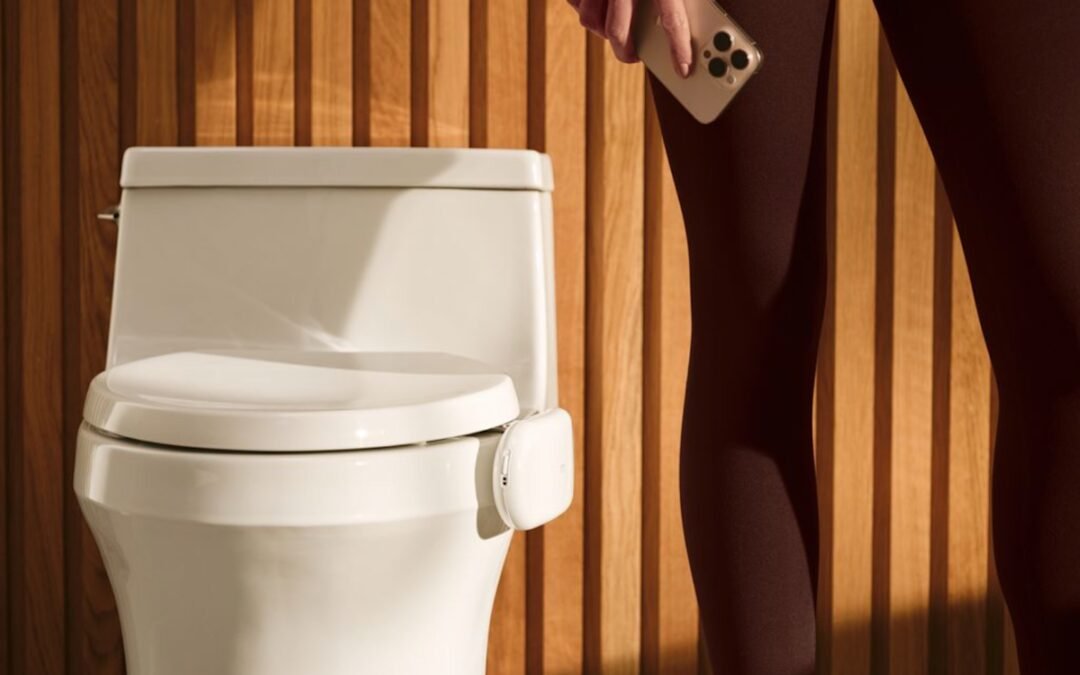
When I first read about the Kohler Dekoda Smart Toilet Camera for Bathrooms, my eyebrows did one of those cartoonish jumps. A camera? Pointed at a toilet? Is this real life? But as I kept reading, I realized this isn’t your everyday smart home gadget — it’s part of a growing trend to monitor health data in ways we never considered before. The Kohler Dekoda Smart isn’t about spying or recording (thankfully), but about insight. And dare I say it — it’s a bit futuristic.
What Exactly Is the Kohler Dekoda Smart About?
So let’s start with the basics: this high-tech toilet attachment comes from Kohler’s massive push into smart bathroom solutions. It’s not just a fancy seat warmer. The Dekoda packs an RGB camera, LED lighting, sensors, and AI — yes, literal artificial intelligence — all focused on monitoring your “output.” In less delicate terms, yes, it’s scanning your poop. But for good reason.
The idea is to capture data on your stool’s shape and consistency and use it to monitor digestive health. It’s not taking videos or tracking your skincare routine while you’re in there. It’s aiming to help detect early signs of issues like gastrointestinal disorders, dehydration, inflammation, or even flare-ups in conditions like IBS or Crohn’s disease.
Kind of wild, right? But also kind of genius.
Why Would Anyone Want a Smart Toilet Camera?
Let’s be real: nobody’s ever said, “You know what I need? A camera in my toilet.” But once you dive into the concept behind the Kohler Dekoda Smart, it actually makes sense — especially if you live with chronic digestive problems or are just health-curious like me.
Here’s the thing: our bodies are always giving us signals. But how often do we actually pay attention to our bowel movements unless something feels… off? Adding a tool that discreetly and consistently monitors what’s going on gives you the chance to catch patterns early, even before symptoms show up.
And between balancing work, trying to eat right, and remembering to hydrate (still bad at that), I actually kind of like the idea of having a health buddy built right into my bathroom routine.
Built for Privacy (Yes, Really)
Okay, but let’s address the obvious. A toilet camera? That’s enough to make anyone uneasy. But Kohler’s been very clear that Dekoda is not recording audio or video in a conventional sense. The RGB camera used is focused solely on detecting shapes and colors to assess stool quality. It doesn’t store identifying visuals, and it’s backed by end-to-end encryption that meets healthcare privacy standards.
It’s not live-streaming. It’s not sharing data with sketchy third parties. It’s not even making you look at images unless you really want to. In other words — yes, it’s a camera. But it’s probably the most boring, strictly-business camera you’ll ever own.
What It Can Do — And What It Can’t
So, what do you actually get out of this thing? From everything I’ve seen so far, here’s how the Kohler Dekoda Smart experience breaks down:
- Hands-off health tracking: It automatically syncs data to a connected app so you can view stool patterns — things like frequency, shape, and potential markers.
- Digestive insights: Over time, the AI learns what’s normal for YOU and flags when something looks off. Think of it as a bathroom-based check engine light.
- User recognition: If multiple people in your household use the same smart toilet, it learns to tell the difference. (Honestly both cool and slightly “Black Mirror,” if I’m being honest.)
- No contact or cleaning stress: It’s designed to stay clean with antimicrobial materials and low-maintenance components. And everything is designed to feel like a regular toilet visit — not a medical appointment.
That said, it’s not a replacement for your doctor. The data it collects isn’t a diagnosis; it’s a nudge to go get one if something looks wrong. It won’t tell you what you ate yesterday or why you’re bloated, but it just might help catch health concerns before you need to Google scary stuff in a panic at 2AM.
The Price Tag: Worth It or Way Too Much?
The Dekoda unit is reportedly priced around $600 when it officially releases. That’s not nothing — especially if you’re not already deep into the smart home world. But if you’ve already got a smart watch, a sleep tracker, or a fitness app logging your every step, why stop at the bathroom?
And for folks who genuinely struggle with digestive issues, it could be a game changer. Six hundred dollars sounds like a lot — but so do surprise ER visits and long waits for gastro specialists.
Would I Put This in My Bathroom?
Short answer? Maybe. If I’m being honest, it would take some getting used to. I’m pretty private about my bathroom routine (isn’t everyone?), but I also love the idea of putting tech toward genuinely helpful, health-forward uses. I’ve already got smart lights, an app to track my sleep, and a fridge that texts me when I’m out of oat milk. Maybe the bathroom’s just the next frontier.
The married side of me is also wondering how I’d explain to guests what the glowing seat in our downstairs powder room does. But maybe this isn’t a “company bathroom” thing. Maybe it’s like a fancy bidet — personal, low-key, and 90% for your own wellness.
Future of Bathroom Tech?
I think this is where we’re headed, honestly. Just like we once rolled our eyes at smart watches counting steps, we’ll probably all have some kind of health-monitoring bathroom gadget by 2030. I’d be lying if I said I wasn’t intrigued. And the idea of catching health issues early — or even just learning more about how your body responds to stress, food, or travel — is seriously appealing.
Technology’s getting more personal, whether we like it or not. And the Kohler Dekoda Smart toilet cam is proof that we’re now asking our tech to care about us — even when we’re at our most vulnerable and, honestly, unglamorous.
Final Thoughts: More Than Just a Gimmick?
Look, the optics of a toilet camera are weird. I laughed. I cringed. I texted the article to friends with wide-eyed emojis. But after reading more about the design, the privacy, and the actual health benefits, I’m coming around.
The Kohler Dekoda Smart system isn’t just about data for the sake of it. It’s about staying in tune with your body in a way that’s simple, discreet, and — dare I say — kind of revolutionary. If it helps catch something early or gives peace of mind to someone with a chronic condition, it’s not just smart. It’s meaningful.
Would you give it a shot? Or is this one smart home upgrade just a flush too far?