
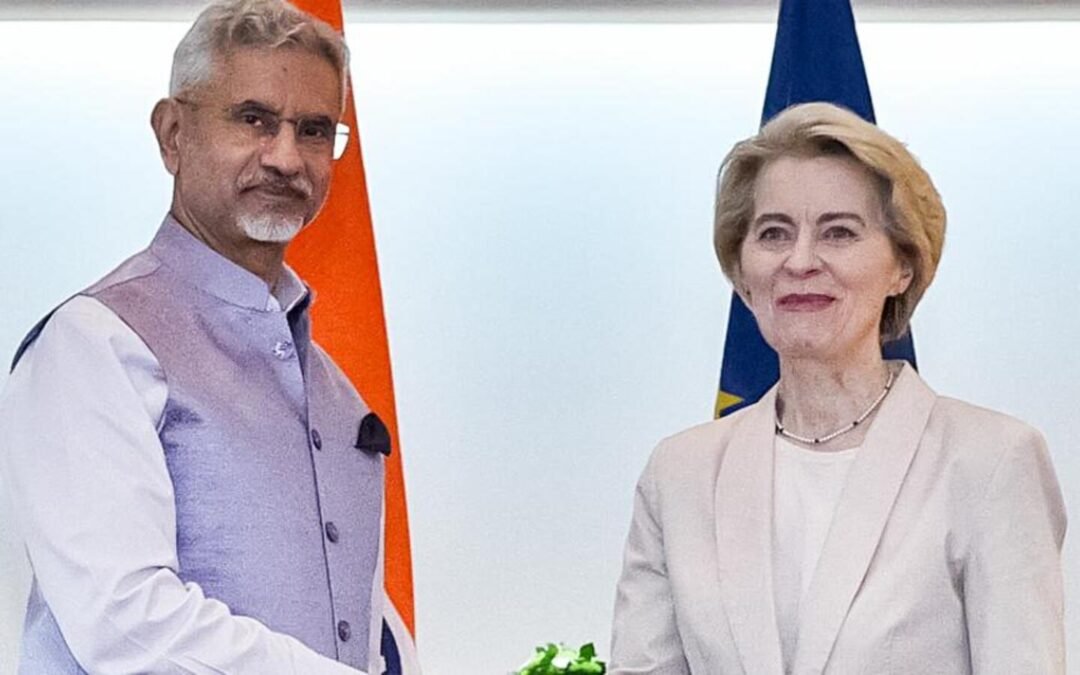
The India EU Trade Council recently came together to tackle a topic that impacts all of us—digital and green growth. If you’re even remotely interested in how technology and sustainability shape our daily lives, you’ll want to pay attention to this. With India and the EU stepping up their collaboration, the focus is shifting to trade, cutting-edge tech, and sustainable practices. What does that mean for businesses, consumers, and the future of global cooperation? Let’s break it down.
Why India and the EU Are Strengthening Their Trade Partnership
At first glance, India and the EU might seem like two vastly different economic spaces. But here’s the thing—both are powerhouses with massive potential. The EU is one of India’s largest trading partners, and as industries evolve, their collaboration makes more sense than ever.
Let’s put it in simple terms: Imagine you’re running a small business in India that’s looking to expand into European markets. You’d want trade policies that cut red tape, promote easier exports, and encourage smoother tech integration. That’s the essence of what the India EU Trade Council is working on.
At their latest review, leaders evaluated key sectors like artificial intelligence, cybersecurity, clean energy, and digitalization. It’s not just about business growth—it’s about making sure technology and sustainability go hand in hand.
Digital Growth: The Game-Changer for Trade
We’re living in a digital-first world, and trade is no exception. Think about how much of our day revolves around technology: online shopping, digital payments, cloud-based workspaces. Now, imagine that on a global scale—how countries trade everything from software to services.
India and the EU Are Betting Big on AI
It’s no surprise that AI is at the heart of India-EU trade discussions. With both regions investing heavily in AI research and development, setting up fair policies is crucial. The goal? To create an ethical framework that allows for AI-driven innovation without the risks of data misuse or bias.
If AI can streamline logistics, improve supply chains, and boost efficiency, trade will flow more smoothly. But here’s the kicker—both India and the EU want to ensure that AI is a tool for good, not a force of unchecked automation.
Cybersecurity: Because No One Wants Digital Trade Chaos
Digital trade comes with risks, and we’ve all heard horror stories about cyberattacks. Protecting data in online transactions is a huge priority. At the recent India-EU discussions, leaders focused on creating stronger cybersecurity measures so businesses can trade internationally without fear of breaches or digital fraud.
Imagine a startup in Bangalore that develops fintech solutions for European banks. If cybersecurity policies align, that startup can operate seamlessly in international markets. That’s the kind of proactive approach India and the EU are aiming for.
Green Growth: The Future of India-EU Trade
Let’s talk sustainability. It’s not just about planting trees (though that’s great, too). Green growth is about transitioning industries into eco-friendly models so that economic success doesn’t come at the cost of the environment.
Renewable Energy: A Global Priority
Both India and the EU are racing toward cleaner, more sustainable energy sources. India, with its abundant sunlight, is a major player in solar energy. Meanwhile, the EU is pushing for aggressive carbon reduction goals. Their collaboration? A win-win.
By expanding trade in renewable energy tech—like solar panels and battery storage—India and the EU are setting the stage for a greener future. This benefits businesses looking for cleaner alternatives and consumers who want affordable, sustainable solutions.
Eco-Friendly Manufacturing: More Than a Trend
Let’s be honest—most of us love convenience. From fast fashion to quick deliveries, we’ve built an economy based on speed. But industries are realizing that sustainability matters. The India-EU trade dialogue focused on promoting greener manufacturing, reducing carbon footprints, and ensuring that businesses prioritize ethical sourcing.
Ever wondered if the product you buy from an Indian factory follows fair trade labor practices or minimizes environmental harm? These are the kinds of policies that India and the EU are shaping together.
How This Trade Shift Affects You
At this point, you might be wondering—why does any of this matter to me? The truth is, whether you’re a consumer, entrepreneur, or investor, these trade developments will impact your world.
- More innovation: Expect growth in tech-driven industries like AI, fintech, and renewable energy.
- Stronger cybersecurity: Your data will be safer as companies adapt to global security standards.
- Eco-friendly products: If sustainability is your thing, you’ll see more ethical and green-focused goods hitting the market.
- Smoother global business: If you’re in trade, this partnership will help remove bureaucratic hurdles.
Looking Ahead: What’s Next for India-EU Trade?
The India-EU trade talks aren’t just about agreements on paper. They’re setting a foundation for long-term economic and technological collaboration. The focus remains on digital transformation, secure AI development, and green development strategies.
With India’s rapid digital expansion and the EU’s strong environmental policies, we’re looking at a partnership that could define the future of sustainable global trade. One thing’s for sure—this is just the beginning.
So, what do you think? Are you excited about the direction of India-EU collaboration? If you’re an entrepreneur, does this impact how you do business? Let’s keep this conversation going.