
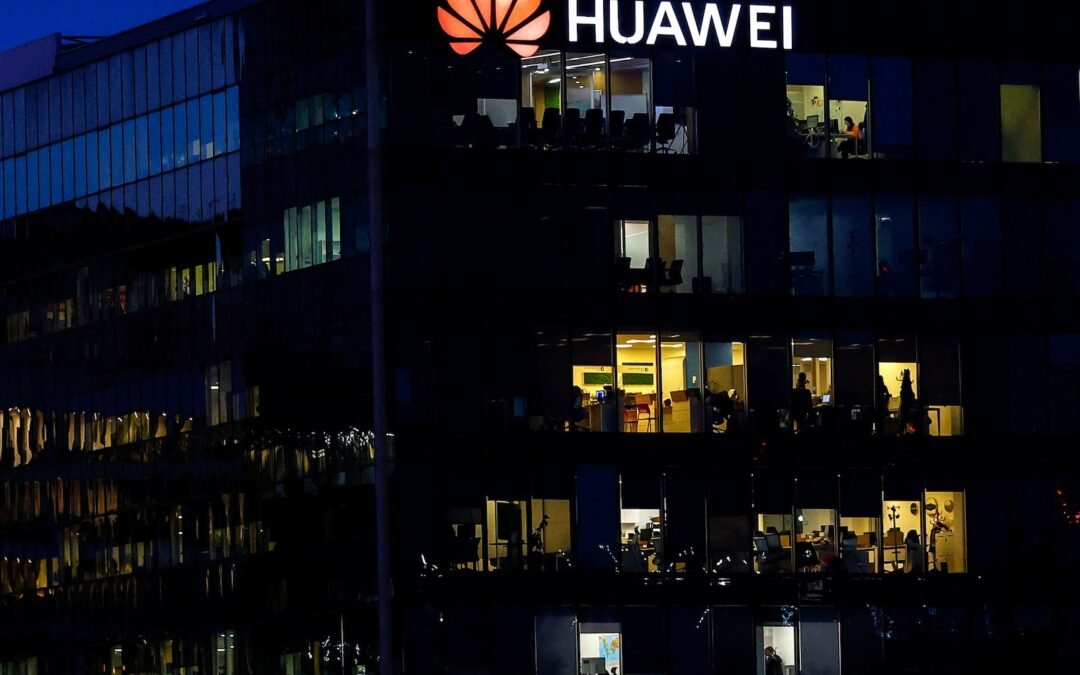
When it comes to global technology battles, few things stir up as much concern as the latest news about TSMC Chips for Huawei. The fact that Taiwan Semiconductor Manufacturing Company (TSMC) is producing advanced chips for Huawei has created a serious stir in Washington, raising fresh national security worries. For the U.S., this is more than a business deal—it’s about technology, power, and control.
TSMC isn’t just a chipmaker—it’s the world’s most advanced semiconductor foundry, responsible for powering everything from iPhones to AI supercomputers. Huawei, on the other hand, has been at the center of U.S. sanctions for years due to concerns over its links to the Chinese government. So, the idea that TSMC’s cutting-edge chips could be fueling Huawei’s latest tech innovations? That’s a huge deal. Let’s unpack why this matters and what’s at stake.
Why Are TSMC Chips for Huawei a Concern for the U.S.?
To understand the tension, you’ve got to look at the bigger picture. The U.S. has been trying to limit China’s access to advanced semiconductors for years. Washington sees these chips as the “brainpower” behind military systems, AI, and advanced surveillance tools. By restricting access, the U.S. hopes to slow China’s technological rise. This is why Huawei has been hit with tough trade restrictions since 2019.
Now, here’s where TSMC comes in. The Taiwanese chip giant has long been a trusted supplier for American tech companies. But if it’s making advanced chips for Huawei, that raises serious questions. Is TSMC indirectly helping China bypass U.S. sanctions? Could these chips end up in military applications? The uncertainty alone is enough to make policymakers in Washington nervous.
The Fear of Losing a Technological Edge
Let’s be real—this fight is about more than just one company. It’s about global competition between two superpowers. The U.S. has long dominated cutting-edge technology, from AI to chip design. But China is catching up fast. If Huawei can develop advanced technology despite sanctions, that’s a signal that China is finding ways around restrictions. And if that’s the case, what’s stopping them from outpacing the U.S. in critical areas like artificial intelligence and military defense?
Think of it like this: Imagine you’re in a race, and you’ve convinced the competition to run without proper shoes. But then, they somehow find a secret supplier to hook them up with high-performance sneakers, and suddenly, they’re keeping up, maybe even taking the lead. That’s what policymakers fear—losing control of the technological race.
The Role of TSMC in the Global Chip War
TSMC sits in a unique and, frankly, uncomfortable position. It’s headquartered in Taiwan, a place that China considers its own while the U.S. sees as an essential ally. That makes every move TSMC makes politically charged.
On one side, the U.S. wants TSMC to align with its interests by cutting off Huawei. On the other side, China is a massive market, and shutting it out completely could put TSMC in a tough financial spot. Balancing the demands of both superpowers? That’s like walking a tightrope in the middle of a storm.
Could the U.S. Take Action Against TSMC?
If history is any guide, the U.S. isn’t afraid to lay down the law when it comes to technology restrictions. We’ve already seen sanctions, trade bans, and even direct pressure on foreign governments. If Washington believes TSMC is helping Huawei too much, it could ramp up pressure, possibly limiting access to chip-making equipment or pushing companies to pull out of Taiwan altogether.
That wouldn’t just hurt TSMC—it could disrupt the entire global supply chain. We’ve already seen what happens when chip shortages hit; everything from smartphones to cars gets affected. No one wants another tech crisis.
What Happens Next?
Right now, everything is up in the air. The U.S. is reviewing the situation, and if there’s evidence that TSMC’s chips are seriously boosting Huawei’s capabilities, we could see more restrictions. But at the same time, the tech industry thrives on demand, and China remains a huge customer.
Will tighter regulations push China to become even more independent in chip-making? Some experts believe that cutting off access to Western technology will only accelerate Beijing’s push for self-reliance. China has already invested billions in its semiconductor industry, and if it can fully produce high-end chips on its own, it’ll be a game-changer.
The Bigger Picture: A Global Power Struggle
At its core, this fight isn’t just about semiconductors. It’s about economic power, military influence, and technological dominance. The U.S. wants to maintain its lead, while China is doing everything it can to close the gap. And caught in the middle? Companies like TSMC, trying to navigate a world where every business decision has global consequences.
It’s a wild time for tech and geopolitics. The relationship between TSMC, Huawei, and the U.S. will shape not only who builds the most powerful chips but also who controls the future of AI, 5G, and military technology. One thing’s for sure—this battle is far from over.