
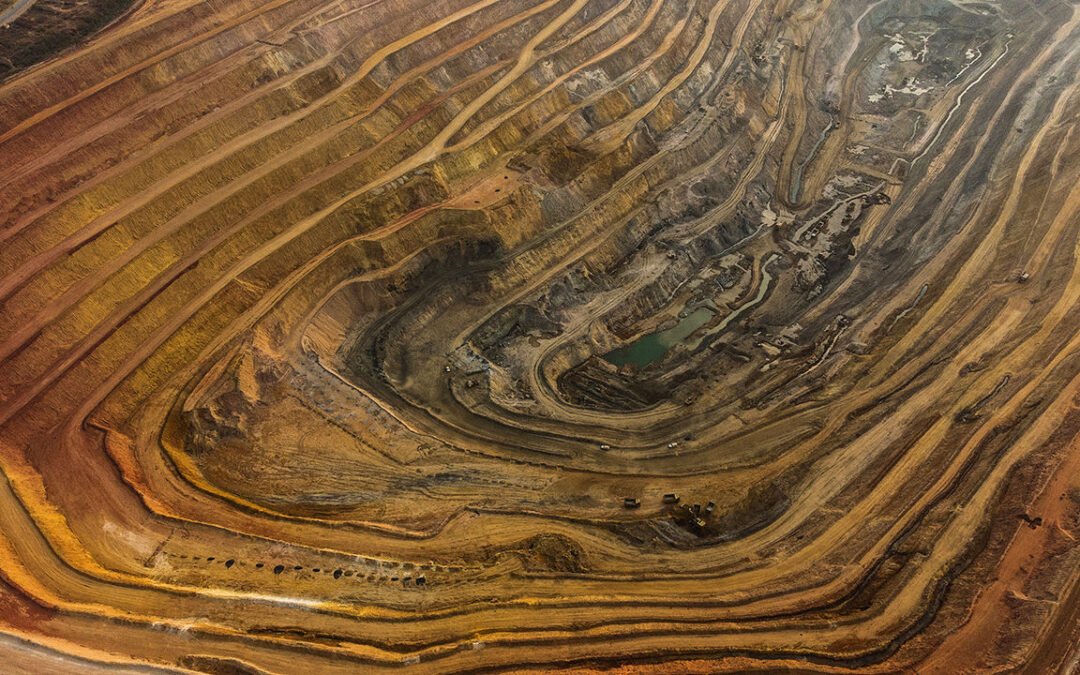
The world is in the middle of a mineral demand surge, and it’s forcing industries to rethink how we mine, process, and use these essential materials. Every electric car, solar panel, and smartphone depends on an ever-growing number of minerals, but traditional mining just isn’t cutting it anymore. There’s a scramble to innovate, and if we don’t, we risk shortages that could slow down everything from green energy to new tech advancements.
Why the Mineral Demand Surge Is Exploding
You know how it feels when your phone battery drains way too fast? Imagine that problem on a global scale—except it’s not just batteries we’re talking about. The push for electric vehicles, renewable energy, and advanced electronics has caused mineral demand to skyrocket. We’re talking lithium, cobalt, nickel, rare earth elements—the building blocks of modern technology.
Electric vehicles alone need several times more minerals than traditional gas-powered cars. Wind turbines, solar panels, and massive energy storage systems? They all rely on a mix of rare minerals, and demand is climbing fast. The problem? Our current mining and processing methods can’t keep up. We need smarter, cleaner, and more efficient ways to extract and recycle these precious materials.
New Technologies to Meet the Mineral Demand Surge
So, what’s the plan? The good news is that the tech world is already working on solutions. Innovations in mining and recycling are emerging to help keep up with demand without wrecking the environment.
1. Smarter, Greener Mining
Traditional mining is energy-intensive, expensive, and often harmful to the environment. But now, companies are looking at automation, AI, and even biotech to make the process cleaner and more efficient.
- AI-powered exploration: Instead of drilling random holes and hoping for the best, AI can analyze geological data to pinpoint exactly where minerals are hiding.
- Eco-friendly extraction: Some companies are experimenting with bacteria that naturally separate minerals from rock, reducing the need for harmful chemicals.
- Electric mining equipment: Traditional mining machines run on diesel, but new models are using electricity to cut down on emissions.
These innovations won’t eliminate the challenges overnight, but they’re a step toward a more sustainable and efficient supply chain.
2. Recycling: Mining Our Old Tech
Here’s a wild thought—what if we could “mine” old electronics instead of digging new holes in the earth? Turns out, we’re sitting on a goldmine of materials hidden inside our discarded gadgets. Laptop batteries, old phones, and worn-out EV batteries contain valuable minerals that can be recovered and reused.
- Urban mining: Some companies are refining methods to break down old electronics and safely extract lithium, cobalt, and other key minerals.
- Battery recycling breakthroughs: New processes are making it easier to reclaim materials from used batteries instead of relying on newly mined supplies.
- Circular economy: Instead of a one-and-done approach to minerals, industries are shifting toward a reuse mindset.
Recycling won’t replace traditional mining entirely, but it can significantly reduce the pressure on natural resources.
What Happens If We Don’t Adapt?
This isn’t just a problem for mining companies—it affects everyone. If we don’t figure out better ways to meet the growing mineral demand surge, we could be looking at major bottlenecks in tech innovation. Prices for EVs, solar panels, and electronics could climb dramatically, slowing down adoption of renewable energy and new tech breakthroughs.
Worse yet, without sustainable solutions, we risk greater environmental damage. More mining means more deforestation, water pollution, and greenhouse gas emissions. It’s a balancing act—how do we get the materials we need without creating bigger problems?
A Future Built on Smarter Solutions
The good news? We’re making progress. Companies, scientists, and policymakers are paying attention, and new technologies are gaining traction. It’s not just about mining more—it’s about mining smarter.
The future of tech depends on how well we adapt. Whether it’s AI-powered mining, bacteria-driven extraction, or large-scale recycling, the solutions are out there. The question is: how fast can we put them to work?
One thing’s for sure—if we don’t innovate, we risk stalling the very technologies that are shaping our future. And none of us want that.