
School Bus Safety Technology to Prevent Illegal Passing is no longer just a futuristic idea—it’s a necessity. Every school day, thousands of kids step onto buses, trusting they’ll arrive safely. But here’s a scary fact: impatient or distracted drivers illegally pass stopped school buses far too often. It’s a problem we’ve all seen, and maybe even unknowingly contributed to. So, what’s being done to stop it? Thankfully, new tech innovations are stepping up to protect students and catch violators in the act.
Why Illegal Passing of School Buses is a Growing Problem
Let’s be real—everyone is in a hurry these days. Maybe you’ve been running late for work or distracted by a ping on your phone at a red light. But when that impatience turns into reckless decisions around school buses, children’s lives are at serious risk.
According to transportation officials, drivers illegally pass stopped school buses thousands of times nationwide each day. Some do it unknowingly, others intentionally, but the danger remains the same. Think about the tiny first-grader climbing down the bus steps or the excited middle-schooler dashing across the street. A moment of carelessness from a driver can lead to tragedy.
This is why advancements in school bus safety technology are so critical. We need solutions that don’t just punish offenders but actively prevent violations before they happen.
How New Technology is Reinforcing School Bus Safety
Thankfully, modern technology is catching up with this persistent problem. Engineers and safety advocates have been working on ways to enhance school bus safety and make illegal passing a thing of the past. Some of these advancements might sound like science fiction, but they’re already in action.
Stop-Arm Cameras: Capturing Violators in the Act
Imagine a world where every car that illegally passes a stopped school bus is caught instantly. With stop-arm cameras, that’s exactly what’s happening. These cameras are attached to the extended stop signs that school buses deploy when picking up or dropping off students.
Here’s how they work:
- High-resolution cameras activate the moment the stop arm extends.
- They capture clear footage of any vehicle that ignores the stop signal.
- License plates and driver details are recorded in real time.
- The evidence is sent to authorities for review and ticketing.
It’s simple but powerful. And since many drivers assume they won’t be caught, these cameras provide a much-needed wake-up call.
Advanced Lighting and Alerts to Grab Drivers’ Attention
Sometimes, drivers don’t stop because they simply don’t notice the bus. It’s not an excuse, but it’s a reality. To combat this, buses are now being equipped with high-intensity LED lighting and additional warning systems.
Some innovations include:
- Brighter, more visible flashing lights that work even in broad daylight.
- Audible alarms that sound when the stop arm is deployed.
- Extended stop signs that offer increased visibility from multiple angles.
These features demand attention, making it harder for drivers to claim they “didn’t see” the school bus stopping.
AI and GPS Tracking for Smarter School Buses
This one’s a game-changer. School buses are getting smarter—not just in mechanics but in data collection.
Some schools are implementing GPS tracking and AI-powered analytics to predict high-risk areas for illegal passing. These systems help school districts:
- Identify locations where violations are most common.
- Alert bus drivers in real time about safety concerns.
- Share data with law enforcement to improve patrols.
By using data-driven solutions, schools can tackle illegal passing with a proactive approach rather than just reacting after violations occur.
Holding Drivers Accountable: Do Fines and Tickets Really Work?
Let’s be honest—nobody likes getting a traffic ticket. But when it comes to illegal school bus passing, tough consequences are necessary.
Many states are increasing fines and penalties for violators caught on camera. In some areas, fines can soar above $500, and repeat offenders may face license suspension. Some regions are also considering stricter laws that could even lead to criminal charges for particularly reckless behavior.
If nothing else, hitting drivers in the wallet tends to make them pay attention.
What Parents and Communities Can Do to Boost School Bus Safety
Technology plays a big role, but change also starts with awareness. If we truly want a culture where school bus safety is a priority, we all have a part to play.
Parents: Teach Kids and Lead by Example
Parents should regularly talk to their kids about proper bus safety. Remind them to:
- Look both ways before crossing, even if the bus is stopped.
- Stay in clear view of the bus driver when boarding or exiting.
- Avoid distractions like looking at phones while stepping off the bus.
But beyond just teaching their kids, parents need to model good driving behavior. If kids see their own parents rolling through stop signs or ignoring buses, they’ll grow up thinking it’s acceptable.
Drivers: Stay Alert and Be Patient
We’ve all been in that frustrating moment—stuck behind a school bus while running late. But taking a deep breath and waiting a little longer is always the right move over endangering a child.
Some mental reminders for drivers:
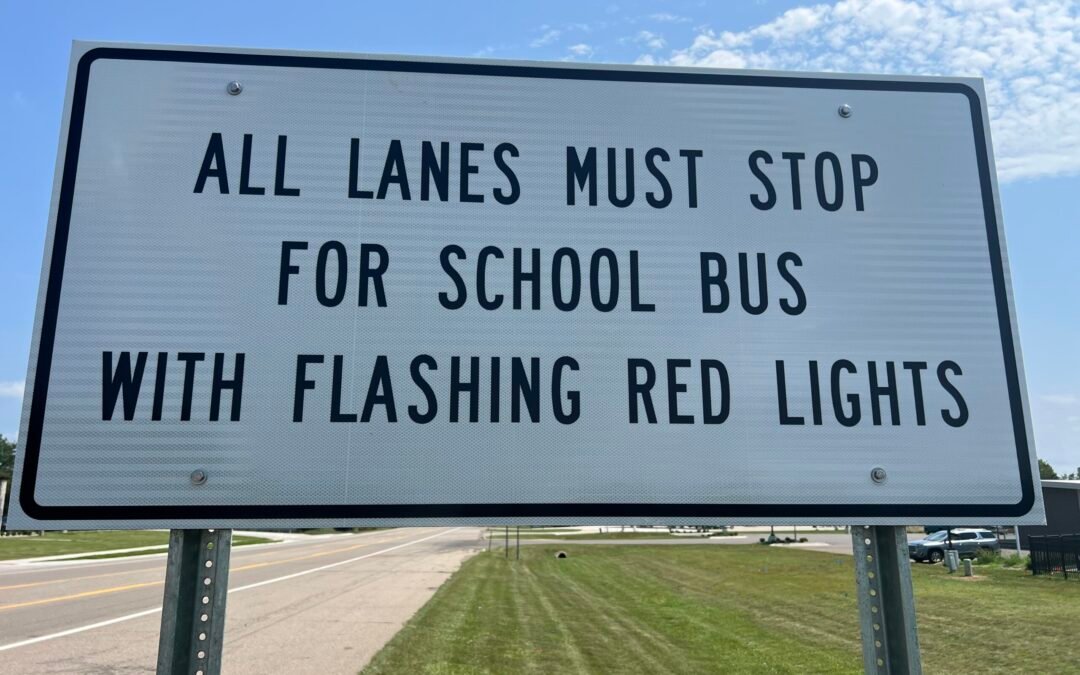
- Always stop when you see a bus with flashing red lights.
- Be extra cautious in school zones and neighborhoods.
- Put away distractions—no text is ever worth a child’s life.
Communities: Advocate for Stronger Enforcement
Concerned about school bus safety in your area? Get involved! Attend city meetings, support new safety legislation, or push for more stop-arm cameras in local school districts. Change happens when communities voice their concerns.
The Road Ahead: A Safer Future for School Bus Safety
Illegal passing of school buses won’t disappear overnight, but with the right mix of technology, laws, and awareness, we can make real progress. The goal isn’t just to catch violations—it’s to prevent them from happening in the first place.
Every child deserves to get to school and back home safely. Whether through AI tracking, stop-arm cameras, or just a more patient mindset from drivers, we can all do our part to make the roads safer. Next time you see a school bus in front of you, take a deep breath, hit the brakes, and remember—there’s a child’s life depending on it.