
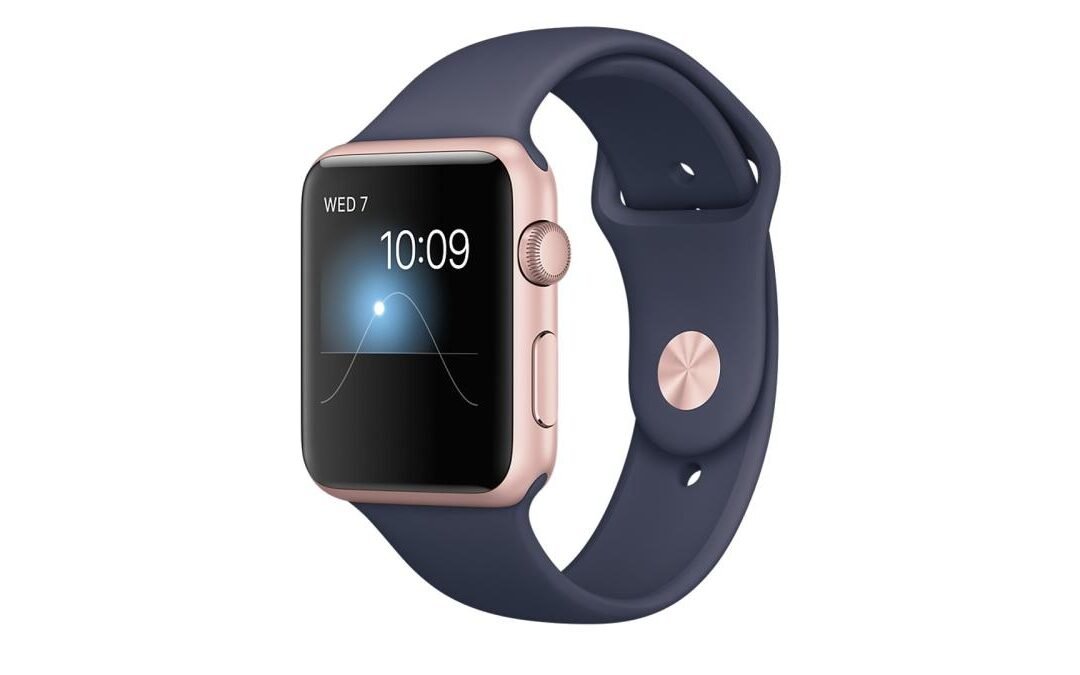
The recent news about the Apple Watch Battery Swelling Lawsuit Settlement has gotten a lot of people talking, and for good reason. If you’re an Apple Watch enthusiast—or even if you’ve just owned one in the past—this lawsuit might make you think twice about how tech companies handle product issues. After all, nobody expects their smartwatch, of all things, to create problems as serious as safety hazards. But here we are. And now Apple has agreed to pay $20 million to settle this class-action lawsuit. Let’s break it all down, piece by piece, in a way that actually makes sense.
What Exactly Is the Apple Watch Battery Swelling Lawsuit Settlement About?
Alright, let’s get straight to the heart of this. The lawsuit was filed by users who claimed that certain models of the Apple Watch had a serious defect—a swelling battery. Now, when you hear “battery swelling,” it might not sound all that dramatic, but trust me, it can be a huge issue. A swollen battery can cause the screen to detach or even shatter, which is alarming for a device you literally wear on your wrist. Imagine glancing at your watch during your morning jog, only to find the screen popping off. Not cool.
The plaintiffs argued that Apple not only knew this could happen, but that they continued to sell the devices without a proper fix or even a heads-up to buyers. Apple, on the other hand, denied the allegations and maintained that battery issues were rare. But in the end, they’ve agreed to resolve the matter with a $20 million settlement. This saves them the drawn-out hassle of a courtroom battle, and for affected users, it might feel like some kind of justice—albeit bittersweet.
Who Was Impacted the Most by This Settlement?
This settlement primarily concerns owners of the Series 1, 2, and 3 Apple Watches. According to the lawsuit, these earlier models were more prone to battery swelling issues than the newer versions. If you’re sporting a Series 6 or 7 today, you’re probably not part of this whole ordeal. Still, for those who bought one of these older models before upgrading, the frustration is real.
Think about it—Apple isn’t exactly handing out $20 watches here. These devices cost hundreds of dollars, so finding out your expensive “tech companion” has potentially dangerous defects? Yeah, that’s like a punch in the gut. Many users reported shattered glass that caused cuts and bruises. It’s not just a tech fail; it’s a personal safety concern.
Will Every Affected Owner See Compensation?
This is where things get complicated (and honestly, a little frustrating). If you’re someone who experienced battery swelling or screen issues with your Apple Watch, you might be eligible for compensation. However, here’s the kicker—lawsuit settlements like this typically involve a process. You’ll need to file a claim, which will most likely require proof that you experienced the issue.
If you’ve already had the watch repaired at your own expense, it’s worth checking if this settlement can reimburse you. But heads up—it’s unlikely you’ll see a huge payout. From my understanding, class-action settlements usually divide the total amount among all claimants. With a $20 million fund and the sheer number of Apple Watch users out there, don’t expect a windfall. But hey, even getting something back is better than nothing, right?
Apple’s Reputation vs. Real-World Stories
Look, I get it. Apple products are known for being sleek and reliable. It’s not every day you hear about defects serious enough to spark a major lawsuit. But with this case, it’s clear that even tech giants aren’t immune to criticism. What’s frustrating to me—and likely to many others—isn’t just the malfunction itself. It’s the idea that Apple may have known about the risk and didn’t do enough to address it proactively. That’s a tough pill to swallow when you consider how fiercely loyal a lot of Apple users are.
I’ve owned an Apple Watch myself, though luckily I never faced this specific issue. Still, I know firsthand how much trust we place in our devices. They track everything from our heart rates to our sleep patterns. They’re basically glued to us. So when something like this happens, it feels personal. And maybe that’s why this settlement is hitting a nerve—it’s a reminder that no brand, no matter how shiny its image, is perfect.
What Happens Next?
For Apple, this settlement is likely a move to put the issue behind them. They’ve already ramped up innovation for newer models, which seem to have steered clear of similar problems so far. For consumers, though, it’s a bit of a ‘what now?’ situation. Here’s how I see it:
- If you had a Series 1, 2, or 3 Apple Watch and dealt with battery swelling, it’s time to explore your options. Check if you’re eligible for compensation under the settlement.
- Even if you didn’t experience it firsthand, let it serve as a reminder to pay attention to recall notices or user complaints about any product you own. It could save you a headache—or worse, an injury.
- And if you’re eyeing a newer Apple Watch to replace your old one, don’t let this lawsuit scare you away completely. Just do your research and maybe look into extended warranty options, just in case.
Why This All Feels So Relevant
Here’s the thing: stories like this matter because they remind us to stay informed consumers. We invest so much in technology—not just money, but also trust—and it’s easy to forget that even the most seemingly flawless products can have hidden flaws. It’s not just about being cautious, though. It’s about holding companies accountable, especially when safety is on the line.
So, if this Apple Watch situation has you shaking your head or double-checking your own device, you’re not alone. And while the $20 million settlement might feel like a small Band-Aid on a bigger problem, it’s still a step in the right direction. It’s a sign that when enough people come together to demand accountability, things can change—even if it takes time.
Final Thoughts: Lessons from the Apple Watch Battery Swelling Lawsuit Settlement
At the end of the day, this entire situation is a reminder that no company is perfect—not even a behemoth like Apple. It’s also a call to action for all of us as consumers. When something feels off about a product, don’t let it slide. Report it. Talk about it. Bring attention to it. That’s how issues like these make it to court in the first place, and that’s how change happens. And who knows? The next time a major tech company thinks about cutting corners, maybe they’ll think twice, thanks to lawsuits like this.
In the meantime, if you were affected by the battery swelling issue, take the time to explore your options under this settlement. You deserve to be heard, and hey, you might just get some of your hard-earned money back. And honestly? That’s a win in my book.