
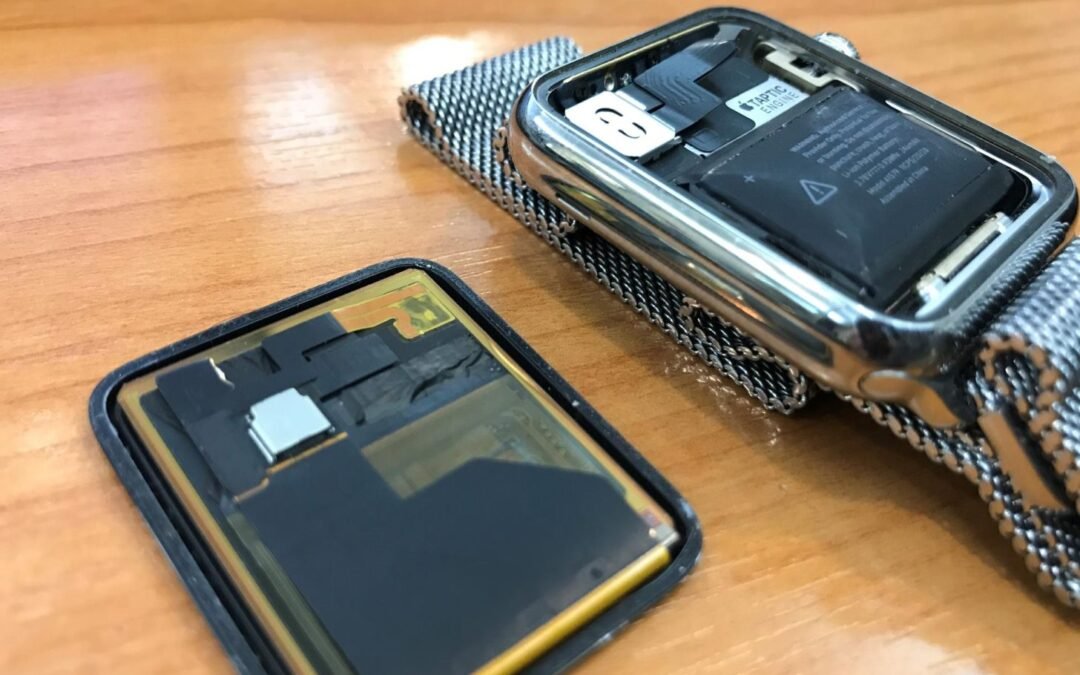
So, imagine wearing your Apple Watch, a trusty sidekick for tracking steps, answering calls, and sending snarky replies to friends, only to notice something a little odd—maybe the screen lifting just a bit or your wrist feeling warmer than usual. Turns out, you’re not alone. This week, Apple finally settled a lawsuit over swelling batteries in their Apple Watch lineup, and the resolution came with a hefty $20 million price tag. Let’s dive into what this all means, how it unfolded, and why it hits a little closer to home than you might think.
What’s the Issue with Swelling Batteries?
When we think of tech flaws, we often envision cracked screens or sluggish software updates. But a battery that swells up? That’s on a whole new level of inconvenient—and also kind of scary. The swelling can expand enough to push out the watch’s screen or warp its design. And we’re not just talking aesthetics here. In some reported cases, people claim they’ve been physically injured, like small cuts or abrasions caused by the screen popping loose. Yikes, right?
It’s the kind of defect most of us never expect, especially when we’re shelling out hundreds of dollars for an Apple product. I mean, let’s face it—Apple Watch wearers are a loyal bunch. We trust these gadgets not only to guide our workouts but also to keep us punctual and, let’s be real, make us look pretty darn trendy. When that trust is broken, it stings.
The Lawsuit That Took Six Years to Settle
This wasn’t an overnight issue, and it didn’t pop up with just one model. The lawsuit covered every Series, from the OG Apple Watch to Series 6 (yep, that’s a lot of wrist candy making its way through the courtroom drama). Essentially, the complaint argued that Apple knew—or should have known—about the battery defect and still didn’t warn customers about potential issues.
Picture your favorite hoodie shrinking out of nowhere after one wash. Now amplify that frustration by the hundreds of dollars you’ve likely paid for an Apple Watch. It’s a sentiment many users echoed when they joined this lawsuit. People felt left in the dark, and you know what? I get it. That sense of betrayal when a beloved product fails you is never fun.
What Does $20 Million Actually Mean?
Apple agreeing to settle for $20 million doesn’t mean they admitted guilt. Legally, they’re doing what big companies tend to do—cut the check and move on rather than drag the whole ordeal out any further. But here’s the kicker: that $20 million, while a big number on paper, breaks down to something much smaller at the customer level.
If you were part of the class-action lawsuit (aka one of the many voices pointing out the defect), you might receive up to $500 per eligible watch. For most people, that’s not exactly a financial windfall, but it’s better than nothing. Still, there’s no denying the awkward reality here—that settlement amount is a fraction of the multi-multi-billion-dollar empire Apple is sitting on. So yeah, it’s a win for users, but not without a little side-eye from those who expected more accountability.
What Does This Mean for Apple Watch Users Today?
Alright, if you’re like me, this whole situation might have you side-glancing at your own wrist right now. Does this mean every Apple Watch is secretly a ticking time bomb? Honestly, not really.
For starters, Apple didn’t recall the watches en masse, though that could be because only a small percentage of users have reported swelling issues. Still, it’s one of those lessons every tech lover eventually learns: even premium products from trusted brands aren’t immune to flaws. And hey, it’s okay to have high expectations when you’re making an investment. After all, we didn’t hop on the smartwatch train to deal with busted batteries—we signed up for cool features and sleek designs!
How Can You Protect Yourself?
Now, I’m not saying you should ditch your Apple Watch over this. But if you’re still concerned, here are a few pointers for peace of mind:
- Pay attention to your device: If you notice the screen lifting, unusual heat, or distorted visuals, don’t wait. Reach out to Apple for support.
- Handle the battery with care: Avoid exposing your watch to extreme temperatures. Too hot or too cold, and you’re asking for battery trouble.
- Know your warranty: Apple offers warranties and repair programs—though specifics vary. Make sure you’re in the know about what’s covered.
That’s not to say this will happen to every Apple Watch, though. In fact, I’ve had my Series 6 for nearly two years now without a hitch. Still, it’s always good to stay aware, you know?
Should You Still Buy an Apple Watch?
This situation might leave you thinking twice about investing in an Apple Watch, and that’s fair. There’s a lesson here about balancing brand loyalty with realistic expectations. That said, I’d argue most devices—smartphones, laptops, tablets—come with their own risks, whether it’s battery issues, slow wear-and-tear, or something out of left field.
If you’re part of the Apple ecosystem (guilty as charged!), it’s hard to beat the convenience of an Apple Watch. It plays nice with your iPhone, keeps you motivated throughout the day, and gives you fancy features like unlocking your phone or MacBook hands-free. For me, it’s one of those gadgets I’d find hard to live without, despite the occasional news like this lawsuit rolling through.
The Bigger Picture
The Apple Watch battery settlement is a reminder that even giants like Apple aren’t invincible. Whether it’s a faulty product or an eye-popping lawsuit, tech companies sometimes fall short. What I love seeing, though, is how these situations can spark change, whether that’s through more transparency in the future or just companies realizing their customers deserve better.
At the end of the day, your trust as a consumer matters—it’s we the users who drive innovation forward. So keep asking questions, hold brands accountable, and wear that smartwatch with a touch of mindful suspicion (just the healthy amount, I promise).
What do you think? Is this settlement enough, or does Apple need to take a harder look in the mirror? Let me know—I’d love to hear your take!